
Introduction
Memopezil is marketed as a dietary supplement for memory, focus, mental clarity, and everyday cognitive support. The product is positioned as a natural alternative to stimulant-based cognitive supplements, with botanical and amino-acid ingredients intended to support several aspects of brain function.
The important question, however, is whether Memopezil itself has been clinically proven to improve memory.
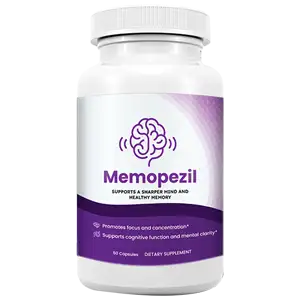 Based on the research available for this review, I would not describe Memopezil as a clinically proven treatment for memory loss or cognitive decline. I also did not find a published randomized controlled trial testing the finished Memopezil formula itself. Most of the scientific rationale comes from studies of individual ingredients, particularly Bacopa monnieri.
There is also an important labeling issue. Different Memopezil websites currently display different formulations. One indexed version of the product information lists Bacopa monnieri, Rhodiola rosea, L-theanine, and Panax ginseng alongside honey, while a separate published Supplement Facts transcription lists BCAAs, Bacopa, Rhodiola, L-theanine, and Panax ginseng with specific amounts. Because of that discrepancy, the bottle’s current Supplement Facts label should be treated as the final reference before purchase.
Quick Summary Box
| Product | Memopezil |
|---|---|
| Category | Dietary supplement / cognitive support |
| Primary positioning | Memory, focus, mental clarity and cognitive support |
| Key ingredients reported on the published panel | BCAAs, Bacopa monnieri, Rhodiola rosea, L-theanine, Panax ginseng |
| Serving | 2 capsules according to the published panel |
| Product-specific clinical evidence | Not established by a published randomized controlled trial found during this review |
| Strongest ingredient evidence | Bacopa monnieri |
| Important consideration | Online product pages show inconsistent ingredient information |
| Published package pricing | $158–$294 depending on package |
What Is Memopezil?
Memopezil is marketed as a daily brain-health supplement rather than a prescription medication. The product website promotes it for problems such as forgetfulness, reduced concentration, mental fatigue, and brain fog.
Some marketing materials also use comparisons with donepezil, including the phrase “natural donepezil.” That comparison should be treated cautiously. Donepezil is a prescription medication used for Alzheimer’s disease, whereas Memopezil is a dietary supplement. The two products should not be considered interchangeable.
The FDA does not approve dietary supplements for safety and effectiveness before they reach the market in the same way it approves prescription drugs. Manufacturers are responsible for complying with applicable safety, labeling, and marketing requirements.
How Does Memopezil Work?
Memopezil appears to use a multi-ingredient approach rather than relying on one established cognitive compound.
Bacopa monnieri is the ingredient with the clearest human research related to memory. Clinical studies and systematic reviews have investigated Bacopa for memory recall, learning, attention, and other cognitive measures. Results are encouraging in some areas but are not uniformly positive.
L-theanine has been studied for attention and cognitive performance, with recent meta-analyses suggesting possible short-term effects on certain attention measures. However, the research uses different doses and preparations, so those findings cannot automatically be transferred to Memopezil.
Rhodiola rosea is generally researched more for fatigue, stress, and mental performance than for long-term memory enhancement. NCCIH notes that evidence remains insufficient to determine whether Rhodiola is useful for a health-related purpose.
Panax ginseng has also been investigated for cognition. A 2024 meta-analysis found some evidence for memory improvement but did not find significant benefits for overall cognition, attention, or executive function.
BCAAs are essential amino acids rather than traditional nootropic ingredients. A 2026 systematic review found mixed results across cognitive studies, with some studies showing improvement and others showing no significant effect.
Therefore, the proposed mechanism is biologically plausible for certain ingredients, but that does not establish that the finished Memopezil combination produces the same effects.
Memopezil Key Ingredients
The published Supplement Facts transcription reviewed for this article lists the following per two-capsule serving:
| Ingredient | Reported Amount | Evidence Summary |
|---|---|---|
| BCAAs 2:1:1 | 540 mg | Human cognitive evidence is mixed |
| Bacopa monnieri extract | 200 mg | Some evidence for memory and cognitive measures |
| Rhodiola rosea extract | 100 mg | Limited evidence for cognition; more research around fatigue/stress |
| L-theanine | 100 mg | Some evidence for attention and cognitive performance |
| Panax ginseng extract | 90 mg | Mixed evidence, with some memory findings |
The label information is particularly important because another Memopezil sales presentation describes honey instead of BCAAs and does not publish individual milligram amounts. That inconsistency makes it difficult to confidently compare the marketed formula with clinical trial doses.
Bacopa monnieri: This is arguably the most scientifically relevant ingredient in the formula. A systematic review of randomized controlled trials found some evidence that Bacopa improved memory free recall, although evidence for other cognitive domains was limited.
A separate meta-analysis of randomized trials also found potential improvements in cognition and speed of attention.
However, newer evidence remains mixed. A 2025 randomized controlled trial found that a Bacopa extract was generally well tolerated but did not produce greater cognitive improvement than placebo over 12 weeks, although some stress and fatigue outcomes improved.
Rhodiola rosea: Research suggests possible effects on mental performance and fatigue, but the evidence is inconsistent. NCCIH currently states that there is not enough reliable evidence to determine whether Rhodiola is useful for any health-related purpose.
L-theanine: Recent research is more encouraging for short-term attention than for long-term memory. A 2026 systematic review and meta-analysis of 31 randomized trials reported a short-term improvement in choice reaction time after a 200 mg dose, while effects on other outcomes were less consistent. Memopezil’s reported 100 mg dose is therefore not directly equivalent to the dose showing that finding.
Panax ginseng: Evidence remains mixed. A 2024 systematic review and meta-analysis reported a significant effect on memory but not overall cognition, attention, or executive function.
BCAAs: A 2026 systematic review found that cognitive outcomes vary according to dose, duration, and underlying health status, with several studies showing no significant cognitive change.
Useful study links: The relevant PubMed research includes the Bacopa systematic review, Bacopa meta-analysis, recent Bacopa randomized trial, L-theanine meta-analysis, ginseng meta-analysis, Rhodiola systematic review, and BCAA systematic review.
Memopezil Benefits
If the product performs as intended, its formulation is designed to:
- Support everyday memory and recall.
- Promote attention and concentration.
- Support mental clarity without relying on caffeine.
- Complement cognitive performance during mentally demanding activities.
- Provide botanical ingredients that have been investigated for memory, attention, stress, or mental performance.
These should be interpreted as intended supplement benefits rather than established clinical outcomes for Memopezil itself.
Memopezil Pros & Cons
Pros
- Uses several ingredients with human research behind them.
- Bacopa has a meaningful body of clinical research related to memory.
- L-theanine has emerging evidence for certain attention measures.
- The published Supplement Facts version provides individual ingredient amounts.
- The product is marketed as stimulant-free.
Cons
- No product-specific randomized clinical trial was identified.
- Online Memopezil pages show inconsistent ingredient information.
- Ingredient doses may differ substantially from doses used in clinical studies.
- Evidence for several ingredients is mixed or limited.
- It should not be treated as an alternative to prescription medication for diagnosed cognitive disorders.
Memopezil vs. Alternatives
| Product/Approach | Main Formula Focus | Evidence Consideration | Key Difference |
|---|---|---|---|
| Memopezil | Bacopa, Rhodiola, L-theanine, ginseng, BCAAs according to published panel | Mostly ingredient-level evidence | Formula information varies across online pages |
| Mind Lab Pro | 11-ingredient nootropic formula including Bacopa, citicoline, lion’s mane, phosphatidylserine and L-theanine | Ingredient and product-specific research claimed by manufacturer | Publishes detailed ingredient amounts |
| Prevagen | Apoaequorin and vitamin D | Evidence and marketing claims have been contested | Single distinctive active ingredient |
| Bacopa-focused supplement | Bacopa monnieri | Direct ingredient research is available | Easier to compare the product dose with published Bacopa studies |
Mind Lab Pro’s current label lists 11 ingredients with individual amounts, including Bacopa, citicoline, lion’s mane, phosphatidylserine, L-theanine, and Rhodiola.
Prevagen uses apoaequorin as its primary active ingredient. Its marketing claims have also been the subject of FTC enforcement and litigation concerning substantiation of memory-related claims.
Customer Reviews
Customer feedback should be treated as anecdotal evidence rather than clinical evidence.
Current Walmart listings provide a more useful independent reference point than testimonials copied across Memopezil sales pages. One 60-capsule listing shows a 4.0/5 rating from 13 ratings, while a 180-capsule listing shows 3.3/5 from 9 ratings. The number of written reviews is small, and marketplace listings can involve third-party sellers.
The available reviews include both positive comments about perceived cognitive benefits and comments from customers who were uncertain whether the product worked. That variability is consistent with the lack of product-specific clinical evidence.
I would not use testimonial percentages, star ratings, or individual customer stories as proof that Memopezil improves memory.
Who Should Use Memopezil and Who Should Avoid It?
Memopezil is marketed toward adults who want general cognitive support, particularly memory, concentration, and mental clarity.
However, anyone experiencing persistent or worsening memory problems should not rely on a supplement as the primary response. New or progressive memory problems can have many possible causes, including medication effects, sleep problems, nutritional deficiencies, depression, neurological conditions, or other medical issues.
People who take prescription medications should discuss the product with a physician or pharmacist before using it. FDA specifically recommends consulting a healthcare professional before starting dietary supplements because supplements can interact with medications or other supplements.
Side Effects & Safety
The safety profile of Memopezil cannot be established from ingredient studies alone because the finished formula has not been adequately studied as a combination.
Bacopa can cause gastrointestinal complaints. In one randomized trial involving older adults, reported adverse effects included increased stool frequency, abdominal cramps, and nausea.
Rhodiola may cause dizziness, headache, insomnia, dry mouth, or excessive saliva, according to NCCIH. NCCIH also reports a potential interaction with losartan.
Asian ginseng can cause insomnia and may affect blood sugar or blood clotting. NCCIH also notes potential medication interactions.
Because of these considerations, extra caution is appropriate for people taking medications for blood pressure, diabetes, clotting, psychiatric conditions, or other chronic diseases.
Memopezil should not be used as a substitute for medical evaluation or treatment of Alzheimer’s disease, dementia, or another diagnosed neurological condition.
Pricing & Packages
The currently indexed seller pricing lists three packages:
| Package | Published Price | Supply |
|---|---|---|
| 2 bottles | $158 total ($79/bottle) | 60 days |
| 3 bottles | $207 total ($69/bottle) | 90 days |
| 6 bottles | $294 total ($49/bottle) | 180 days |
The published pricing page states that the three- and six-bottle packages include free U.S. shipping and that purchases carry a 60-day money-back window. Because online offers can change, the checkout price should be verified before purchasing.
One point worth noting is that the seller’s crossed-out comparison prices are marketing reference prices rather than evidence of a previous normal selling price. The meaningful figure for consumers is the amount actually charged at checkout.
10 Frequently Asked Questions
1. What is Memopezil?
Memopezil is a dietary supplement marketed for memory, focus, mental clarity, and general cognitive support.
2. Does Memopezil really improve memory?
There is not enough product-specific clinical evidence to establish that Memopezil itself improves memory. Some individual ingredients, particularly Bacopa monnieri, have been studied for cognitive outcomes.
3. Is Memopezil FDA approved?
No dietary supplement should be described as FDA-approved for effectiveness in the way prescription drugs are. FDA does not pre-approve dietary supplements for safety and effectiveness before marketing.
4. What are the main Memopezil ingredients?
A published Supplement Facts transcription lists BCAAs, Bacopa monnieri, Rhodiola rosea, L-theanine, and Panax ginseng. Other online Memopezil pages show a different formulation, so checking the current bottle label is important.
5. Which Memopezil ingredient has the strongest memory evidence?
Bacopa monnieri has the most directly relevant evidence among the reported ingredients, although clinical results are not uniformly positive.
6. How long does Memopezil take to work?
There is no established evidence-based timeline for Memopezil itself. Bacopa trials have commonly evaluated supplementation over several weeks rather than expecting an immediate effect.
7. Can Memopezil treat Alzheimer’s disease?
No. Memopezil is a dietary supplement and should not be considered a treatment for Alzheimer’s disease or another diagnosed cognitive disorder.
8. Can Memopezil cause side effects?
Potential side effects depend on the ingredients and individual factors. Digestive complaints have been reported with Bacopa, while Rhodiola and ginseng have their own safety and interaction considerations.
9. Can Memopezil be taken with prescription medication?
Anyone taking prescription medication should ask a physician or pharmacist before using Memopezil because botanical ingredients can interact with medicines.
10. Where can Memopezil be purchased?
Memopezil is primarily marketed through its online sales pages. Current package prices should be checked at checkout because offers and product information can change.
Final Verdict
Memopezil has a plausible ingredient-based rationale for general cognitive support, but the evidence needs to be interpreted carefully.
The strongest scientific case comes from Bacopa monnieri, which has multiple human studies examining memory and cognitive performance. L-theanine, ginseng, and Rhodiola also have human research, but their evidence is more variable and often focuses on specific cognitive domains, stress, fatigue, or related outcomes rather than broad memory enhancement.
The biggest limitation is that these ingredient studies do not establish that Memopezil itself produces the same results. I did not identify a published randomized controlled trial testing the complete Memopezil formula.
There is also a transparency issue because different online Memopezil pages currently present different ingredient lists. That makes the physical Supplement Facts label particularly important.
For someone considering Memopezil for general cognitive support, the reasonable evidence-based interpretation is that it is a multi-ingredient dietary supplement with some scientifically interesting components, not a clinically proven memory treatment.
Anyone experiencing significant or progressive memory problems should prioritize medical evaluation rather than relying on Memopezil or another supplement. And anyone taking medication should review the complete ingredient label with a healthcare professional before starting it.
Overall, Memopezil’s ingredients provide a research rationale worth examining, but the finished product needs stronger, product-specific clinical evidence before its broader memory claims can be considered established.
Our Top Brain Health Products Comparison
We evaluated these products based on key factors relevant to their intended use. Our editorial ratings consider ingredient transparency, available scientific evidence, formulation quality, safety considerations, value, and other product-specific factors.
| Product | Product Type | Primary Use | Form | Key Feature | Our Rating | Action |
|---|---|---|---|---|---|---|
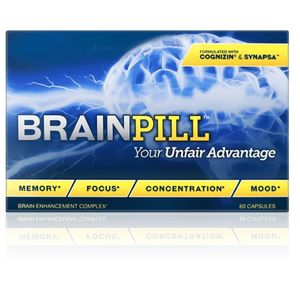 Brainpill Brainpill |
Dietary Supplement | Cognitive performance support | Capsules | 13-ingredient nootropic formula featuring Cognizin® and Synapsa® | Read Review ORDER NOW | |
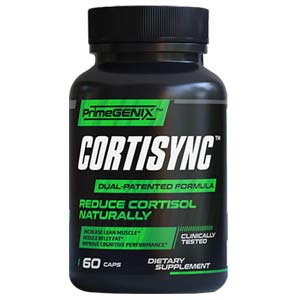 PrimeGENIX CortiSync PrimeGENIX CortiSync |
Dietary Supplement | Cognitive and stress-response support | Capsules | Formula positioned around cognitive and cortisol/stress support | Read Review ORDER NOW | |
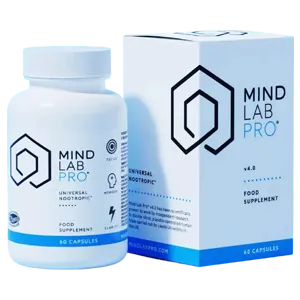 Mind Lab Pro Mind Lab Pro |
Nootropic Dietary Supplement | Focus, memory and cognitive function support | Capsules | 11-ingredient, caffeine-free nootropic formula with disclosed dosages | Read Review ORDER NOW |