
Memodyne is a dietary supplement marketed to support memory, focus, concentration, and mental clarity. Its formula combines amino acids, vitamin B3 (niacin), and beta-alanine, which the manufacturer promotes as ingredients that support brain health and cerebral circulation.
However, the claims deserve a closer look. Although some of Memodyne’s ingredients have established biological functions, that does not automatically mean the finished supplement improves memory or prevents cognitive decline. The available product information also does not clearly disclose individual ingredient amounts, limiting the ability to compare its formula with doses used in human studies.
In this Memodyne review, I examine the advertised formula, the scientific evidence behind its ingredients, potential side effects, pricing, and the main considerations before purchasing.
Memodyne Review: Quick Summary
| Feature | Details |
|---|---|
| Product name | Memodyne |
| Product category | Brain health and cognitive support supplement |
| Format | Capsules |
| Primary claims | Memory, focus, concentration, and mental clarity |
| Listed ingredients | L-arginine, L-arginine AKG, L-citrulline HCl, L-citrulline malate, niacin, and beta-alanine |
| Suggested use | One capsule daily, according to the official website |
| Scientific evidence | Some ingredients have relevant research, but the finished formula has not been established as effective |
| Potential concerns | Undisclosed individual ingredient amounts and possible medication interactions |
| Reported guarantee | 60 days, according to the seller |
This assessment reflects the product information available on the supplied website. Consumers should confirm the current packaging and Supplement Facts label before ordering.
What Is Memodyne?
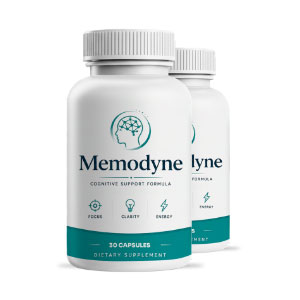 Memodyne is a daily dietary supplement designed and marketed for people interested in supporting memory, focus, and overall cognitive wellness. The official website describes it as a formula containing six nutrients or amino-acid ingredients intended to work together to support brain health.
The advertised formula focuses primarily on nitric oxide production, blood vessel function, and cellular energy metabolism. L-arginine and L-citrulline participate in pathways associated with nitric oxide production, while niacin plays an essential role in normal energy metabolism.
These biological functions are relevant to human health. However, they do not establish that taking Memodyne improves recall, increases concentration, or reverses age-related memory changes.
I could not establish from the available information that the finished Memodyne formula has undergone high-quality clinical trials demonstrating improvements in memory or cognitive performance.
How Does Memodyne Claim to Work?
According to the manufacturer’s explanation, Memodyne aims to support cognitive function through several biological pathways.
- Nitric oxide production: L-arginine and L-citrulline participate in pathways that support nitric oxide synthesis and normal blood vessel function.
- Cellular energy metabolism: Niacin helps the body produce coenzymes involved in energy metabolism.
- Exercise-related and cellular functions: Beta-alanine contributes to carnosine production, which helps buffer acidity in certain tissues.
- Combined ingredient approach: The company presents the ingredients as a complementary formula for memory and mental clarity, although this combination has not been established as clinically effective.
The distinction between biological activity and clinical benefit matters. A nutrient can participate in a normal physiological process without providing additional benefits when someone already receives adequate amounts through food or other sources.
Memodyne Ingredients: What Does the Research Say?
The supplied website lists six ingredients. It describes their intended roles but does not clearly publish individual quantities on the page reviewed. Without those amounts, it is difficult to determine whether the formula delivers doses comparable to those used in research.
1. L-Arginine
L-arginine is an amino acid that the body uses to produce nitric oxide. Nitric oxide helps regulate blood vessel dilation and circulation, making the pathway relevant to cardiovascular physiology.
Researchers have also begun investigating L-arginine for cognitive outcomes. A recent small, randomized, placebo-controlled pilot study involving older adults with cognitive impairment examined 6.4 grams of L-arginine daily for 30 days. The researchers reported promising findings in some cognitive measures but emphasized the need for larger, longer-term trials.
Research reference: Comparison of the Safety and Efficacy of Oral L-Arginine for Cognitive Impairment in Older Adults.
That study does not prove Memodyne improves memory. The researchers studied a specific daily dose in a defined population, and the amount of L-arginine in Memodyne is not clearly disclosed on the supplied website.
2. L-Arginine AKG 2:1
L-arginine alpha-ketoglutarate (AKG) combines arginine with alpha-ketoglutarate. The Memodyne website describes this form as supporting absorption and sustained circulation-related effects.
However, a claim about improved absorption or prolonged activity needs evidence specific to the ingredient form, dose, and intended outcome. The available product information does not establish that this ingredient improves human memory or concentration when consumed as part of Memodyne.
I could not verify clinical evidence demonstrating that the finished supplement’s L-arginine AKG component improves cognitive performance.
3. L-Citrulline HCl
L-citrulline is an amino acid that the body can convert into arginine. This process can contribute to nitric oxide production and has attracted research interest because of its relationship to blood vessel function.
Nevertheless, evidence supporting a physiological pathway is not equivalent to evidence that a supplement improves recall or prevents cognitive decline.
The supplied website does not disclose the amount of L-citrulline HCl in Memodyne. As a result, its dose cannot be meaningfully compared with the amounts investigated in human research.
4. L-Citrulline Malate
L-citrulline malate combines citrulline with malate, a compound involved in cellular metabolism. It is also found in supplements marketed for exercise performance and physical fatigue.
The Memodyne website suggests that this ingredient supports circulation and helps address mental fatigue. However, these claims should not be interpreted as established cognitive benefits.
I could not verify high-quality clinical evidence showing that L-citrulline malate, at the amount provided by Memodyne, improves memory or concentration. The product’s undisclosed ingredient quantity makes a more precise assessment difficult.
5. Niacin (Vitamin B3)
Niacin is an essential vitamin that the body uses to produce NAD and NADP, coenzymes involved in energy metabolism and other cellular processes. Adequate niacin intake supports normal physiological function.
However, more niacin does not necessarily translate into better memory or concentration in people who already meet their nutritional requirements. Evidence that niacin is essential for normal metabolism does not establish that Memodyne improves cognitive performance.
For reliable information about recommended intake, deficiency, and potential adverse effects, see the National Institutes of Health Office of Dietary Supplements’ Niacin Fact Sheet for Health Professionals.
The Memodyne website does not clearly establish the amount of niacin per capsule, so it is not possible to evaluate its contribution against established intake recommendations from the available product information.
6. Beta-Alanine
Beta-alanine is an amino acid used by the body to produce carnosine, which helps buffer acidity in muscle tissue. It is commonly studied in the context of exercise performance rather than memory supplements.
One randomized controlled study examined beta-alanine supplementation and cognitive outcomes in older adults. Participants received 2.4 grams daily for 10 weeks. That research provides some context for investigating beta-alanine and cognition, but its results cannot automatically be applied to a different formula or an undisclosed dose.
Research reference: Role of β-Alanine Supplementation on Cognitive Function, Mood, and Physical Function in Older Adults.
The study does not establish that Memodyne improves memory, and the product’s beta-alanine amount is not clearly disclosed on the supplied website.
Potential Benefits of Memodyne
The company markets Memodyne for memory, focus, concentration, and mental clarity. The available ingredient information supports a more cautious assessment.
- Convenient daily format: The website recommends one capsule daily, which may suit people who prefer a simple supplement routine.
- Ingredients involved in normal metabolism: Niacin supports essential metabolic functions, while arginine and citrulline participate in nitric oxide pathways.
- Some research interest in cognitive outcomes: Researchers have investigated L-arginine and beta-alanine for selected cognitive measures, although the evidence remains limited and does not validate Memodyne.
- Unproven memory and focus claims: The available evidence does not establish that the complete formula improves memory, prevents cognitive decline, or produces noticeable benefits in healthy adults.
These points describe the formula and the available research, not confirmed results from taking Memodyne.
Memodyne Pros and Cons
Pros
- Simple capsule format with a stated once-daily routine.
- Contains ingredients with established roles in normal physiological processes.
- Some listed ingredients have been investigated in human research.
- The official website describes its intended use, bundle pricing, and refund guarantee.
Cons
- Clinical effectiveness of the finished Memodyne formula has not been established.
- Individual ingredient amounts are not clearly disclosed on the supplied website.
- Several ingredients have limited direct evidence for improving memory or concentration.
- Claims about cerebral circulation do not establish meaningful cognitive benefits.
- Potential medication interactions and individual health factors require consideration.
Memodyne Side Effects and Safety
The safety of Memodyne cannot be fully assessed without confirming the current Supplement Facts label, ingredient quantities, and relevant manufacturing information. Even ingredients that participate in normal bodily functions can cause problems when taken in concentrated supplement form.
Potential concerns include:
- Low blood pressure and medication interactions: L-arginine may affect blood pressure and can interact with nitrates, blood-pressure medications, and some erectile dysfunction medicines. Anyone using these treatments should consult a healthcare professional before taking an arginine-containing supplement.
- Digestive symptoms: L-arginine supplements can cause gastrointestinal effects in some people, including nausea, abdominal discomfort, or diarrhea.
- Niacin-related effects: Depending on the form and dose, niacin can cause flushing and other adverse effects. Higher doses may present additional risks.
- Beta-alanine-related effects: Supplemental beta-alanine can cause tingling or prickling sensations, particularly at higher doses.
- Uncertain combined effects: The absence of clearly disclosed individual amounts makes it harder to evaluate the safety of the complete formula.
People who take prescription medication or have cardiovascular, kidney, or other chronic health conditions should consult a healthcare professional before using Memodyne. Pregnant or breastfeeding individuals should also seek professional advice before taking supplements.
The U.S. Food and Drug Administration recommends discussing supplements with a healthcare professional and reviewing the product label carefully. Its guidance is available in Questions and Answers on Dietary Supplements.
Persistent or worsening memory problems deserve medical evaluation. Sleep disorders, medication effects, vitamin deficiencies, thyroid conditions, and other treatable health issues can contribute to cognitive symptoms. A supplement should not delay appropriate assessment.
Is Memodyne FDA Approved?
Memodyne is marketed as a dietary supplement. The FDA does not approve dietary supplements for safety and effectiveness before they reach the market in the same way it approves prescription drugs.
Therefore, claims about a manufacturer’s facility registration or manufacturing standards should not be interpreted as FDA approval of Memodyne itself. They also do not establish that the product improves memory or treats a cognitive condition.
For official details, read the FDA’s consumer guidance: Is It Really ‘FDA Approved’?.
Memodyne Price and Packages
The supplied website lists the following package prices. These are the advertised prices found on the page reviewed and may change.
| Package | Advertised total | Price per bottle | Shipping |
|---|---|---|---|
| 2 bottles | $158 | $79 | Additional shipping charge |
| 3 bottles | $207 | $69 | Free U.S. shipping |
| 6 bottles | $294 | $49 | Free U.S. shipping |
The official website also advertises a 60-day money-back guarantee. Its stated terms indicate that customers should use the product for at least 30 days before requesting a refund if they are dissatisfied. Review the current policy and contact details before purchasing, as the terms may change.
Visit the official Memodyne website to confirm current prices, shipping charges, package quantities, and refund conditions.
Before ordering, I would also verify the following:
- The Supplement Facts label lists all active ingredients and their amounts.
- The seller and product packaging correspond to the intended Memodyne formula.
- The total checkout price includes any applicable shipping charges and taxes.
- The refund policy clearly explains deadlines, return procedures, and eligibility.
- The checkout does not include an unwanted recurring order.
Frequently Asked Questions About Memodyne
What is Memodyne used for?
Memodyne is marketed as a dietary supplement for memory, focus, concentration, and mental clarity. However, the available evidence does not establish that the finished product reliably improves these outcomes.
Does Memodyne really improve memory?
There is insufficient reliable clinical evidence to conclude that Memodyne improves memory. Research involving individual ingredients cannot confirm the effectiveness of the complete formula.
How should Memodyne be taken?
The official website recommends one capsule daily with water, preferably in the morning before a meal. Follow the current product label and consult a healthcare professional if taking medication or managing a medical condition.
How long does Memodyne take to work?
The available information does not establish a reliable timeline for results. The time frames used in individual ingredient studies cannot be used to predict how quickly Memodyne might affect memory or concentration.
Does Memodyne prevent Alzheimer’s disease or dementia?
There is no reliable evidence that Memodyne prevents, treats, or reverses Alzheimer’s disease or dementia. Anyone experiencing persistent or worsening memory problems should seek medical evaluation.
Does Memodyne have side effects?
Potential effects depend on ingredient amounts, individual sensitivity, and medication use. Arginine may affect blood pressure, niacin can cause flushing at certain doses, and beta-alanine may cause tingling. The current label should be reviewed before use.
What is Memodyne’s refund policy?
The official website advertises a 60-day money-back guarantee and states that customers should use the product for at least 30 days before seeking a refund for dissatisfaction. Check the current written policy for the exact requirements.
Is Memodyne worth buying?
That depends on the buyer’s expectations. The formula contains ingredients involved in normal physiology, but the undisclosed individual amounts and lack of established clinical evidence for the finished product make it difficult to justify the supplement specifically for memory improvement.
Final Verdict: Is Memodyne Worth Trying?
Memodyne is marketed as a daily cognitive support supplement containing L-arginine, L-arginine AKG, L-citrulline HCl, L-citrulline malate, niacin, and beta-alanine. Some of these ingredients have established physiological roles, and researchers have investigated selected ingredients for cognitive or related outcomes.
However, those facts do not establish that Memodyne improves memory, concentration, or mental clarity. The biggest limitation is the lack of clearly disclosed individual ingredient amounts, which prevents a meaningful comparison with research doses. I also could not establish that the finished product has undergone clinical trials demonstrating the benefits promoted by the seller.
**My verdict: Memodyne’s effectiveness for improving memory and focus remains unproven.** Before buying, I would look for a complete Supplement Facts label, transparent ingredient quantities, and stronger evidence supporting the finished formula. Anyone experiencing ongoing memory problems should prioritize a medical assessment rather than relying on a supplement.
Our Top Memory, Focus & Cognitive Products
We evaluated these products based on key factors relevant to their intended use. Our editorial ratings consider ingredient transparency, available scientific evidence, formulation quality, safety considerations, value, and other product-specific factors.

Brainpill
Product Type: Dietary Supplement
Primary Use: Memory, Focus & Cognitive Performance Support
Overall Rating: 4.9/5
Price: $69.95
Key Benefits
- Supports memory and recall
- Supports focus and concentration
- Supports mental performance under pressure
- Supports cognitive energy and productivity
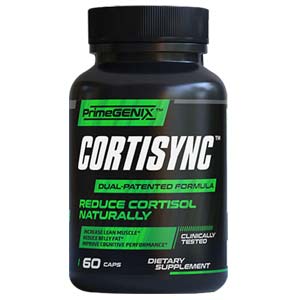
PrimeGENIX CortiSync
Product Type: Male Performance Spray
Primary Use: Cortisol, Stress & Adrenal Support
Overall Rating: 4.8/5
Price: $59.00
Key Benefits
- Supports healthy cortisol levels
- Supports stress management and resilience
- Supports energy and physical performance
- Supports focus and cognitive function
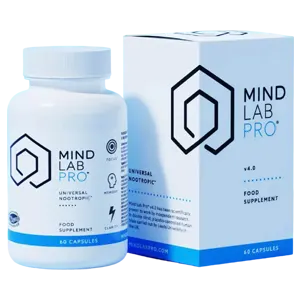
Mind Lab Pro
Product Type: Oil
Primary Use: Cognitive Performance Support
Overall Rating: 4.8/5
Price: $69.00
Key Benefits
- Supports focus and concentration
- Supports memory and recall
- Supports mental clarity and cognitive performance
- Supports mood, motivation and mental energy