
Introduction
Memory, concentration, and mental clarity are important parts of everyday life. As people get older, occasional forgetfulness can become a concern, leading many adults to explore nutritional supplements marketed for cognitive support.
Memora is a dietary supplement promoted for memory, focus, and long-term brain health. Its formula combines five botanical ingredients: Bacopa Monnieri, Lion’s Mane Mushroom, Ginkgo Biloba, Rhodiola Rosea, and Panax Ginseng.
The manufacturer claims that these ingredients support neuronal growth, protect brain cells from oxidative stress, improve circulation, and help maintain cognitive function. The sales page also makes an unusual claim that exposure to radiofrequency electromagnetic fields (RF-EMF) from everyday electronic devices contributes to memory problems and that Memora can protect the brain against this exposure.
These claims deserve careful examination. Some Memora ingredients have been studied in human clinical trials, but the strength of evidence varies. More importantly, the sales page does not provide a complete Supplement Facts panel with individual ingredient quantities. Without that information, it is difficult to determine whether Memora contains the same doses and standardized extracts used in published studies.
This Memora review examines the product’s ingredients, scientific evidence, potential benefits, customer testimonials, safety considerations, and advertised pricing. It also separates established research findings from claims that remain unproven.
Quick Summary Box
| Product Detail | Information |
|---|---|
| Product Name | Memora |
| Category | Brain Health and Cognitive Support |
| Product Type | Dietary supplement capsules |
| Primary Purpose | Memory, focus, mental clarity, and cognitive wellness |
| Suggested Serving | 2 capsules daily, according to the official website |
| Key Ingredients | Bacopa Monnieri, Lion’s Mane Mushroom, Ginkgo Biloba, Rhodiola Rosea, and Panax Ginseng |
| Individual Ingredient Amounts | Not disclosed on the accessible sales page |
| One-Bottle Price | $79 for a 30-day supply |
| Three-Bottle Package | $177 for a 90-day supply |
| Six-Bottle Package | $234 for a 180-day supply |
| Guarantee | 90-day money-back guarantee advertised |
| Overall Assessment | Contains recognizable cognitive-support botanicals, but undisclosed ingredient amounts and unsupported marketing claims limit the evidence-based assessment |
What Is Memora?
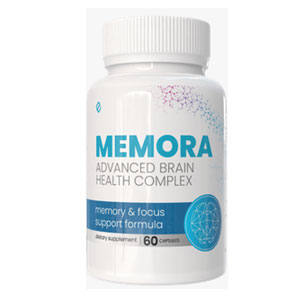 Memora is a botanical dietary supplement marketed to adults who want to support memory, concentration, mental clarity, and general cognitive wellness.
The manufacturer describes it as a five-ingredient formula that takes a comprehensive approach to brain health. Its ingredients are commonly found in traditional herbal preparations and modern cognitive-support supplements.
The five listed ingredients are:
- Bacopa Monnieri: An herb traditionally used in Ayurvedic wellness practices and investigated for memory and attention.
- Lion’s Mane Mushroom: A medicinal mushroom studied for its potential relationship with nerve growth and cognitive function.
- Ginkgo Biloba: A botanical extract investigated for circulation and cognitive outcomes.
- Rhodiola Rosea: An adaptogenic herb studied for fatigue, stress response, and mental performance.
- Panax Ginseng: A traditional botanical investigated for memory and selected cognitive outcomes.
The official website recommends that adults take two capsules daily with 6–8 ounces of water. It describes each bottle as a 30-day supply.
One important limitation is that the accessible sales page does not disclose the amount of each ingredient, extract standardization, or a complete Supplement Facts panel. This makes it difficult to evaluate the formula against clinical studies that use specific doses and standardized preparations.
Memora is a dietary supplement, not a prescription medication. It should not be considered a treatment for Alzheimer’s disease, dementia, mild cognitive impairment, or another neurological condition.
How Does Memora Work?
Memora combines five botanical ingredients that researchers have investigated for different aspects of cognitive and general wellness. Its proposed approach involves memory-related processes, antioxidant activity, circulation, and the body’s response to stress.
1. Supports Memory-Related Cognitive Processes
Bacopa Monnieri has been investigated in human studies involving memory recall, attention, and information processing. Some clinical trials have reported improvements in selected memory measurements after consistent supplementation.
However, these studies generally use standardized extracts at specified daily amounts. Memora does not disclose its Bacopa quantity, so the research cannot be directly applied to the finished product.
2. Provides a Mushroom Ingredient Studied for Brain Health
Lion’s Mane Mushroom contains compounds called hericenones and erinacines, which have attracted scientific interest because of their potential effects on nerve growth-related pathways.
Laboratory and animal research has examined these compounds, while a smaller number of human studies have investigated cognition and mood. The human evidence remains preliminary and does not establish that Lion’s Mane prevents cognitive decline.
3. Includes a Botanical Studied for Circulation
Ginkgo Biloba has been studied for its effects on blood circulation and cognitive function. Researchers have examined whether standardized Ginkgo extracts influence memory, attention, and daily functioning.
Results differ between healthy adults and people with cognitive impairment. Research in healthy individuals has not consistently demonstrated meaningful cognitive enhancement.
4. Supports the Body’s Response to Stress
Rhodiola Rosea is traditionally used for fatigue and stress-related symptoms. Researchers have investigated its potential effects on mental performance, physical endurance, and fatigue.
Stress and fatigue can influence concentration, but this does not mean Rhodiola treats memory disorders or produces lasting improvements in cognitive function.
5. Provides a Traditional Botanical for Cognitive Research
Panax Ginseng contains active compounds known as ginsenosides. Researchers have investigated these compounds for their potential relationship with memory, attention, and other cognitive outcomes.
Some studies have reported improvements in selected memory measurements, but the overall evidence remains mixed. The effects depend on the preparation, dose, and population studied.
What About Memora’s RF-EMF Protection Claim?
One unusual feature of Memora’s marketing is its claim that radiofrequency electromagnetic fields from mobile phones, computers, and Wi-Fi devices contribute to cognitive decline and that the supplement provides a natural protective shield.
This claim should not be treated as an established scientific explanation for everyday memory problems.
The World Health Organization states that research has not established consistent adverse health effects from exposure to radiofrequency fields below levels that cause tissue heating. Its assessment does not support the idea that ordinary exposure from wireless networks and household devices is an established cause of memory loss.
Research and public-health references:
There is also no established clinical evidence showing that taking Memora protects the brain from RF-EMF exposure. This particular marketing claim is not supported by the available evidence.
Memora Key Ingredients
The following assessment examines the five ingredients listed on Memora’s official website. Because individual amounts and extract specifications are not disclosed, it is not possible to determine whether the finished formula matches the preparations used in the cited clinical studies.
1. Bacopa Monnieri
Bacopa Monnieri, commonly known as Brahmi, is an herb used in traditional Ayurvedic practices. It has been investigated for memory, learning, attention, and other cognitive outcomes.
A randomized, double-blind, placebo-controlled study involving older adults examined 300 mg of standardized Bacopa extract daily for 12 weeks. Researchers reported improvements in selected delayed-recall and attention measurements.
A separate systematic review of randomized controlled human trials found that studies commonly used standardized Bacopa extracts at approximately 300–450 mg daily over 12 weeks.
A meta-analysis of randomized controlled trials also reported improvements in selected cognitive measurements, particularly attention-related outcomes. However, the researchers noted that better-designed studies were needed to establish the ingredient’s effectiveness more conclusively.
Research links:
- Randomized controlled trial of Bacopa Monnieri in older adults
- Systematic review of Bacopa Monnieri and cognitive performance
- Meta-analysis of randomized controlled trials on Bacopa Monnieri
- 2026 systematic review and network meta-analysis of Bacopa and Ginkgo
Editorial assessment: Bacopa is one of the more research-supported ingredients in Memora’s formula for selected memory-related outcomes. However, the studies used specific standardized extracts and doses. Without Memora’s ingredient quantity and extract specifications, it is not possible to determine whether its formula provides a comparable amount.
2. Lion’s Mane Mushroom
Lion’s Mane Mushroom (Hericium erinaceus) is an edible mushroom that has attracted interest in cognitive-health research.
It contains compounds such as hericenones and erinacines, which have been investigated for their potential influence on nerve growth factor-related pathways. These mechanisms are interesting, but much of the early evidence comes from laboratory and animal research.
A 2023 randomized, double-blind, placebo-controlled pilot study examined Lion’s Mane supplementation in 41 healthy adults aged 18–45. The researchers investigated acute and 28-day effects on cognitive performance, stress, and mood. Some selected test results were encouraging, but the study was small and did not establish broad cognitive benefits.
A 2025 randomized, placebo-controlled study investigated an acute dose of standardized Lion’s Mane extract in healthy younger adults. It did not demonstrate a significant overall improvement in global cognitive performance or mood, although one individual test showed a difference.
Research links:
- Randomized pilot study of Lion’s Mane and cognitive function in young adults
- 2025 randomized study of Lion’s Mane and acute cognitive performance
- Research on Lion’s Mane and neurological pathways
Editorial assessment: Lion’s Mane is a promising research ingredient, but human evidence remains limited. The small studies do not establish that it prevents cognitive decline or improves long-term memory. Memora’s undisclosed dosage makes a product-specific assessment even more difficult.
3. Ginkgo Biloba
Ginkgo Biloba is a botanical extract derived from the leaves of the Ginkgo tree. It has a long history of use in traditional herbal preparations and has been studied for circulation and cognitive health.
Researchers have investigated standardized Ginkgo extracts for memory, attention, and executive function.
A meta-analysis of randomized controlled trials involving healthy individuals examined whether Ginkgo improves cognitive performance. The researchers found no statistically significant positive effects on memory, executive function, or attention.
Other systematic reviews have examined Ginkgo in people with mild cognitive impairment or Alzheimer’s disease. Some studies have reported improvements in selected outcomes, but the quality and consistency of evidence vary.
Research links:
- Meta-analysis of Ginkgo Biloba and cognitive function in healthy individuals
- Systematic review of Ginkgo Biloba and cognitive enhancement
- Systematic review of Ginkgo Biloba in mild cognitive impairment and Alzheimer’s disease
- NIH NCCIH: Ginkgo usefulness and safety
Editorial assessment: Ginkgo has an extensive research history, but findings are not consistent. Evidence does not establish that it reliably improves memory in healthy adults. Its potential interactions with blood-thinning medications also deserve attention.
4. Rhodiola Rosea
Rhodiola Rosea is an herb traditionally used in parts of Europe and Asia for fatigue, stress, and physical endurance.
Researchers have investigated its potential effects on mental performance, fatigue, and the body’s stress response.
A systematic review of randomized clinical trials examined Rhodiola’s effects on physical and mental performance. Some studies reported positive findings, but the authors highlighted methodological limitations and a lack of independent replication.
A separate randomized, double-blind study involving 26 healthy male students investigated 600 mg daily for four weeks. The researchers examined mental and physical performance along with selected biological markers.
Research links:
- Systematic review of Rhodiola Rosea randomized clinical trials
- Randomized study of Rhodiola Rosea and mental performance
- PubMed: Rhodiola Rosea and mental fatigue research
Editorial assessment: Rhodiola may be relevant to fatigue and stress-related wellness, but its evidence for improving memory is less established. The clinical studies use particular extracts and doses, which cannot be compared with Memora because its ingredient quantities are not disclosed.
5. Panax Ginseng
Panax Ginseng is a traditional Asian botanical containing active compounds known as ginsenosides. It has been studied for several potential effects, including memory, attention, and general cognitive function.
A 2024 systematic review and meta-analysis included 15 randomized controlled trials involving 671 participants. The researchers reported a small positive effect on memory, particularly in higher-dose studies. However, they did not find significant benefits for overall cognition, attention, or executive function.
Another randomized, double-blind, placebo-controlled study examined 3 grams of Panax Ginseng powder daily for six months in people with mild cognitive impairment. The researchers reported improvements in selected memory tests.
Research links:
- 2024 systematic review and meta-analysis of Ginseng and cognitive function
- Randomized controlled trial of Panax Ginseng in mild cognitive impairment
- Cochrane review: Ginseng and cognitive enhancement
Editorial assessment: Panax Ginseng has some human research supporting selected memory outcomes, but the overall evidence remains mixed. The studies used defined preparations and doses. Memora does not provide enough information to establish whether its ginseng content is comparable.
Ingredient Research: What the Evidence Actually Shows
| Ingredient | Main Research Area | Evidence Assessment |
|---|---|---|
| Bacopa Monnieri | Memory recall, attention, and cognitive processing | Some human clinical evidence, particularly for selected memory and attention outcomes. |
| Lion’s Mane Mushroom | Nerve growth-related pathways and cognitive function | Promising preclinical research, but limited and preliminary human evidence. |
| Ginkgo Biloba | Circulation, memory, and cognitive function | Extensively studied, but results in healthy adults are inconsistent. |
| Rhodiola Rosea | Stress response, fatigue, and mental performance | Some clinical research exists, but independent replication and stronger trials are needed. |
| Panax Ginseng | Memory and selected cognitive outcomes | Some positive memory findings, but overall cognitive evidence remains mixed. |
Important Research Limitation: The studies above investigate individual ingredients, not the complete Memora formula. Clinical findings cannot be transferred directly to Memora without knowing the exact ingredient amounts, extract standardization, and formulation. No independently verifiable published clinical trial of the finished Memora supplement was identified in the material reviewed.
Memora Benefits
Memora is marketed for several areas of cognitive and general wellness. Based on its listed ingredients and the available research, the following are potential areas of support rather than guaranteed outcomes.
- Supports memory-related research pathways: Bacopa Monnieri has been investigated for delayed recall, attention, and selected cognitive measurements.
- Provides mushroom-derived compounds: Lion’s Mane contains compounds studied for their potential relationship with nerve growth-related pathways.
- Supports botanical circulation research: Ginkgo Biloba has been investigated for blood circulation and cognitive outcomes.
- Promotes stress-related wellness research: Rhodiola Rosea has been studied for fatigue, stress response, and mental performance.
- Provides traditional cognitive-support compounds: Panax Ginseng contains ginsenosides investigated for selected memory outcomes.
- Offers a simple daily routine: The manufacturer recommends taking two capsules daily.
These potential benefits should not be interpreted as proof that Memora prevents memory loss, reverses cognitive decline, or protects against neurological disease.
Memora Pros & Cons
Pros
- Combines five recognizable botanical ingredients associated with cognitive research.
- Includes Bacopa Monnieri, which has human clinical research involving memory and attention.
- Contains Lion’s Mane, an ingredient attracting growing scientific interest.
- Includes Panax Ginseng and Rhodiola Rosea, both investigated in human studies.
- Uses a straightforward two-capsule daily serving.
- Advertises a 90-day money-back guarantee.
- Offers one-bottle and discounted multi-bottle purchasing options.
Cons
- Individual ingredient quantities are not disclosed on the accessible sales page.
- Extract standardization and complete Supplement Facts information are not clearly provided.
- No independently verifiable clinical trial of the complete Memora formula was identified.
- Ginkgo Biloba has inconsistent evidence for improving cognition in healthy adults.
- Human research on Lion’s Mane remains limited.
- The marketing makes unsupported claims about RF-EMF exposure and memory decline.
- Customer testimonials are seller-presented and do not establish clinical effectiveness.
- The $79 one-bottle price is relatively high for a product without clearly disclosed ingredient quantities.
Memora Comparison Table With Alternatives
Memora belongs to the brain-health and cognitive-support category. Other products in this category use different combinations of botanical extracts, vitamins, minerals, amino acids, and nootropic ingredients.
The following comparison links to related product reviews published on HealthBeautyAnswers.com.
| Product | Category Positioning | What to Compare |
|---|---|---|
| Memora | Memory and cognitive support | Five botanical ingredients, undisclosed quantities, and claims about cognitive protection. |
| Brainpill | Memory, focus, and cognitive performance | Citicoline, L-Tyrosine, phosphatidylserine, and other nootropic ingredients. |
| Axolt Brain | Focus, mental clarity, and cognitive wellness | Spearmint extract, L-theanine, phosphatidylserine, and ingredient transparency. |
| Mind Lab Pro | Memory and concentration support | Botanical and cognitive-support ingredients, formula consistency, and dosage information. |
| Memo Genesis | Memory and mental clarity | Bacopa, Rhodiola, Huperzia, amino acids, and stimulant-related considerations. |
| PrimeGENIX CortiSync | Memory and mental clarity | Ingredient disclosure, formulation details, and product-specific clinical evidence. |
| NeuroBoost IQ | Memory, focus, and cognitive performance | Nootropic ingredients, dosage transparency, and available research. |
This comparison is intended to help readers explore related brain-health reviews. It is not a clinical ranking, and the presence of researched ingredients does not establish that any finished supplement improves memory.
Memora Customer Reviews
The official Memora website displays customer testimonials describing improvements in memory, mental clarity, and everyday recall.
Some testimonials describe remembering names, dates, conversations, and daily activities more easily. The website labels these testimonials as verified purchases and includes customer names and locations.
However, I could not independently verify the identities, purchase histories, or reported cognitive outcomes. These testimonials should therefore be treated as seller-presented customer experiences rather than independently confirmed evidence.
The website does not provide a clearly verifiable third-party review database or an independently audited average customer rating in the accessible information reviewed.
There is another important consideration: some testimonials describe substantial improvements in people who previously experienced significant memory problems. Such stories should not be interpreted as evidence that Memora reverses cognitive decline or treats a neurological condition.
When evaluating customer feedback, I would look for:
- Reviews from independently verified purchasers.
- Specific descriptions of the duration of use.
- Balanced feedback that includes both positive and negative experiences.
- Clear information about the exact product formulation being reviewed.
- Evidence that reported cognitive changes were measured objectively rather than based only on personal impressions.
Editorial assessment: The testimonials provide insight into how Memora is marketed, but they do not establish that the supplement reliably improves memory or protects against age-related cognitive decline.
Who Should Use Memora?
Memora is marketed toward adults interested in maintaining general cognitive wellness and supporting memory, focus, and mental clarity.
It may interest adults who:
- Prefer a botanical supplement containing several traditional herbs.
- Want to explore ingredients that have been investigated for cognitive health.
- Prefer a two-capsule daily supplement routine.
- Understand that ingredient research does not guarantee results from the finished formula.
- Are willing to review the complete product label and discuss potential interactions with a healthcare professional.
Who Should Avoid Memora or Seek Medical Advice First?
The following individuals should consult a qualified healthcare professional before considering Memora:
- People under 18 years of age.
- Pregnant or breastfeeding individuals.
- People taking blood-thinning medication or antiplatelet drugs.
- People with bleeding disorders or a history of seizures.
- People taking medication for diabetes or blood pressure.
- People using antidepressants or other medicines that may interact with herbal supplements.
- People scheduled for surgery.
- Anyone with known allergies or sensitivities to mushrooms or the listed botanical ingredients.
- People with diagnosed cognitive impairment, dementia, or another neurological condition who are considering replacing prescribed treatment with a supplement.
Persistent or worsening memory problems deserve medical evaluation. Memory changes can have several causes, including medication effects, sleep disorders, depression, vitamin deficiencies, thyroid problems, and neurological conditions.
Memora Side Effects & Safety
Memora contains five botanical ingredients. Although these ingredients are naturally derived, they can still cause side effects and interact with prescription medications.
Bacopa Monnieri
Bacopa may cause digestive symptoms, including nausea, abdominal discomfort, diarrhea, or increased bowel movements. Individual tolerance can vary depending on the extract and dose.
People taking regular medication should discuss Bacopa use with a healthcare professional before starting supplementation.
Lion’s Mane Mushroom
Lion’s Mane is generally studied as a food-derived mushroom ingredient, but supplement-related safety information remains limited compared with more established nutrients.
Possible concerns include digestive discomfort or allergic reactions in sensitive individuals. Anyone with a known mushroom allergy should avoid using it unless a healthcare professional confirms that it is appropriate.
Ginkgo Biloba
Ginkgo may cause dizziness, headache, or gastrointestinal symptoms. One of its more important safety considerations is its potential to increase bleeding risk, particularly when combined with anticoagulant medication such as warfarin.
The National Center for Complementary and Integrative Health provides additional safety information in its Ginkgo usefulness and safety fact sheet.
Rhodiola Rosea
Rhodiola may cause symptoms such as dizziness, dry mouth, or sleep-related changes in some individuals. People taking prescription medication should check for possible interactions before using a Rhodiola-containing supplement.
Panax Ginseng
Panax Ginseng may cause insomnia, digestive discomfort, or changes in blood glucose. It may also interact with blood-thinning medication and certain other prescription drugs.
People taking diabetes medication or anticoagulants should seek medical advice before using it.
General Safety Recommendations
- Follow the directions on the current product label.
- Do not exceed the recommended two-capsule daily serving.
- Do not combine Memora with other brain-health supplements without checking for overlapping ingredients.
- Discuss potential interactions with a pharmacist or healthcare professional before use.
- Tell a healthcare professional about herbal supplements before surgery.
- Stop taking the supplement and seek medical advice if an unexpected reaction occurs.
- Do not use Memora as a replacement for prescribed medication or neurological care.
The U.S. Food and Drug Administration does not approve dietary supplements for safety and effectiveness before they are marketed. Consumers should review product labels and consult healthcare professionals when appropriate. More information is available in the FDA’s dietary supplement consumer guidance.
Memora Pricing & Packages
The official Memora website advertises three main purchasing options. Each bottle is described as a 30-day supply, with a suggested serving of two capsules daily.
| Package | Advertised Price | Price Per Bottle | Supply |
|---|---|---|---|
| 1 Bottle | $79 | $79 | 30 days |
| 3 Bottles | $177 | $59 | 90 days |
| 6 Bottles | $234 | $39 | 180 days |
The manufacturer advertises free U.S. shipping on the three-bottle and six-bottle packages. The larger packages also include two digital bonus guides:
- Simple Science: Revolutionary Memory Techniques for Everyday Use
- Mind Power: Unlocking the Secrets of Memory for a Lifetime
The website advertises a 90-day money-back guarantee. It states that customers can contact the company within 90 days of the purchase date to request a refund if they are not satisfied.
The manufacturer also states that Memora is sold as a one-time purchase without automatic subscription charges. Buyers should still review the current checkout total, shipping terms, and refund conditions before ordering.
10 Frequently Asked Questions About Memora
1. What is Memora used for?
Memora is a botanical dietary supplement marketed for memory, focus, mental clarity, and general cognitive wellness. Its formula contains Bacopa Monnieri, Lion’s Mane Mushroom, Ginkgo Biloba, Rhodiola Rosea, and Panax Ginseng.
2. What are the main ingredients in Memora?
The five ingredients listed on the official website are Bacopa Monnieri, Lion’s Mane Mushroom, Ginkgo Biloba, Rhodiola Rosea, and Panax Ginseng. The accessible sales page does not disclose individual ingredient quantities.
3. Does Memora really improve memory?
Some Memora ingredients have been investigated in human studies involving memory and cognitive performance. However, no independently verifiable clinical trial of the complete Memora formula was identified. Its ability to improve memory has therefore not been established.
4. How should Memora be taken?
The official website recommends that adults take two capsules daily with 6–8 ounces of water or as directed by a healthcare professional. Always follow the instructions on the current product packaging.
5. How long does Memora take to work?
The manufacturer recommends consistent use for at least one month to evaluate potential benefits. However, there is no independently verified clinical trial establishing a specific timeline for Memora. Individual experiences may differ, and results are not guaranteed.
6. Does Memora prevent Alzheimer’s disease or dementia?
There is no reliable clinical evidence showing that Memora prevents Alzheimer’s disease, dementia, or other neurological conditions. It is a dietary supplement, not an approved treatment for cognitive disorders.
7. Does Memora protect the brain from Wi-Fi or mobile phone radiation?
The manufacturer claims that Memora helps protect the brain against radiofrequency electromagnetic fields. However, there is no established clinical evidence showing that the supplement provides this protection. The WHO has not established ordinary low-level wireless exposure as a cause of memory loss.
8. Does Memora have side effects?
Potential side effects depend on individual sensitivity, ingredient amounts, and medication use. Ginkgo may increase bleeding risk, while Bacopa can cause digestive symptoms. Ginseng and Rhodiola may also cause unwanted effects in some individuals.
9. How much does Memora cost?
The official website advertises one bottle for $79, three bottles for $177, and six bottles for $234. Prices and promotional offers may change, so the checkout page should be checked before ordering.
10. Does Memora offer a money-back guarantee?
Yes. The official website advertises a 90-day money-back guarantee. It states that customers should contact the company within 90 days of purchase to request a refund. Review the current refund terms before placing an order.
Final Verdict: Is Memora Worth Considering?
Memora is a botanical brain-health supplement containing five ingredients with varying levels of scientific research: Bacopa Monnieri, Lion’s Mane Mushroom, Ginkgo Biloba, Rhodiola Rosea, and Panax Ginseng.
Its ingredient combination has a reasonable connection to cognitive-health research. Bacopa has been investigated in randomized trials involving memory and attention. Lion’s Mane has attracted interest for its potential relationship with nerve growth-related pathways. Ginkgo has an extensive research history, while Rhodiola and Panax Ginseng have been studied for selected mental-performance and memory outcomes.
However, several limitations prevent a confident assessment of the finished product.
First, the official website does not disclose individual ingredient quantities or clear extract standardization. This makes it impossible to determine whether Memora provides amounts comparable to those used in clinical studies.
Second, no independently verifiable published clinical trial of the complete Memora formula was identified. Research on individual ingredients cannot establish that their combination produces meaningful improvements in memory or cognitive performance.
Third, the marketing claims about RF-EMF exposure and cognitive decline are not supported by established public-health evidence. There is no clinical evidence demonstrating that Memora protects the brain from everyday wireless-device exposure.
**My overall assessment:** Memora contains recognizable botanical ingredients with some cognitive-health research behind them, but its undisclosed ingredient quantities and lack of finished-product clinical evidence are significant limitations. It may interest adults exploring botanical supplements for general cognitive wellness, but it should not be considered a proven memory-enhancement product or a way to prevent age-related cognitive decline.
Before purchasing, I would want to see a complete Supplement Facts panel showing the amount and standardization of every ingredient. Anyone experiencing persistent memory problems should seek medical evaluation rather than relying on a supplement alone.
Our Top Memory, Focus & Cognitive Products
We evaluated these products based on key factors relevant to their intended use. Our editorial ratings consider ingredient transparency, available scientific evidence, formulation quality, safety considerations, value, and other product-specific factors.
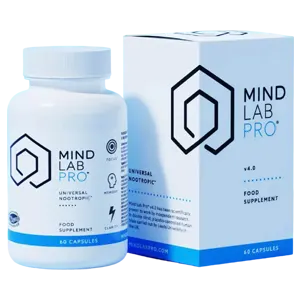
Mind Lab Pro
Product Type: Dietary Supplement
Primary Use: Cognitive Performance Support
Overall Rating: 4.9/5
Price: $69.00
Key Benefits
- Supports focus and concentration
- Supports memory and recall
- Supports mental clarity and cognitive performance
- Supports mood, motivation and mental energy
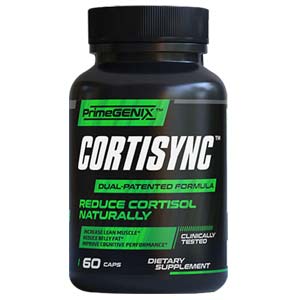
PrimeGENIX CortiSync
Product Type: Dietary Supplement
Primary Use: Cortisol, Stress & Adrenal Support
Overall Rating: 4.8/5
Price: $59.00
Key Benefits
- Supports healthy cortisol levels
- Supports stress management and resilience
- Supports energy and physical performance
- Supports focus and cognitive function
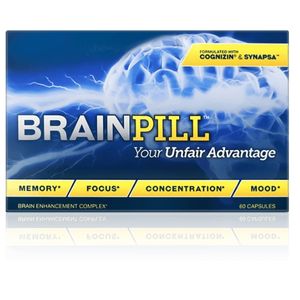
Brainpill
Product Type: Dietary Supplement
Primary Use: Memory, Focus Support
Overall Rating: 4.7/5
Price: $69.95
Key Benefits
- Supports memory and recall
- Supports focus and concentration
- Supports mental performance under pressure
- Supports cognitive energy and productivity