
Introduction
Joint stiffness, muscle soreness, and everyday aches can make routine activities uncomfortable. Many adults look for topical products that provide a warming sensation or temporary relief without taking an oral pain reliever. Motion Energy is marketed for this purpose as a warming cream for muscles and joints.
The manufacturer promotes Motion Energy for joint discomfort, muscle tension, stiffness, and mobility. Its website also makes broader claims about inflammation, cartilage regeneration, and degenerative joint conditions. However, marketing statements need to be evaluated separately from clinical evidence.
My review found several points worth considering. The official website identifies a few botanical oils and methyl salicylate, but does not disclose their individual concentrations. It also mentions ginger in its general description without including it in the numbered ingredient list. I could not identify a published clinical trial testing the finished Motion Energy formula.
This review examines the advertised ingredients, relevant research, possible benefits, safety considerations, customer testimonials, and current pricing. The goal is to determine whether Motion Energy offers enough evidence and transparency to justify consideration.
Quick Summary Box
| Feature | Details |
|---|---|
| Product Name | Motion Energy |
| Product Type | Topical warming cream or balm |
| Main Purpose | Muscle and joint discomfort |
| Product Form | Cream |
| Advertised Ingredients | Rosemary oil, eucalyptus oil, cinnamon oil, methyl salicylate |
| Additional Ingredient Mention | Ginger root appears in the website’s general description |
| Ingredient Amounts | Not disclosed |
| Suggested Use | Small amount applied twice daily, according to the instructions page |
| Advertised Price | $49 for the displayed offer |
| Manufacturer Guarantee | No clearly verified money-back guarantee identified |
| Product-Specific Clinical Trial | Not identified |
What Is Motion Energy?
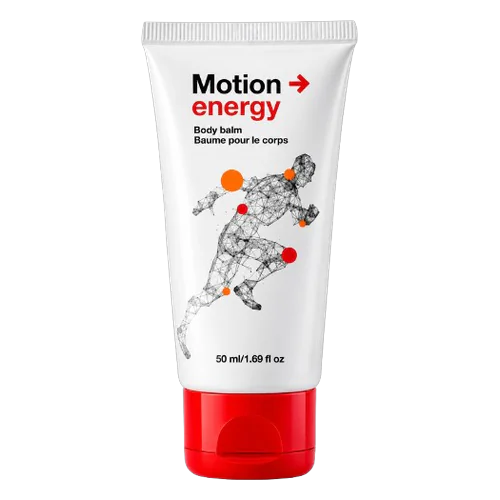 Motion Energy is a topical warming balm marketed for people experiencing muscle soreness, joint discomfort, and stiffness. Unlike capsules or powders, it is applied directly to the skin over the affected area.
The official website describes the product as a natural formula intended to support muscle comfort and joint mobility. It claims that the cream can relieve pain, reduce muscle tension, improve circulation, and support cartilage health.
However, these claims should not be interpreted as established medical benefits. The website does not provide a complete quantitative ingredient label, independent clinical assessment, or published trial results for the finished product.
One important distinction is that a topical cream may create a warming or soothing sensation without changing the underlying cause of joint pain. It should not be considered a treatment for arthritis, cartilage degeneration, or another diagnosed medical condition.
How Does Motion Energy Work?
Motion Energy appears to rely on a combination of topical ingredients and massage application.
The manufacturer describes the cream as a warming balm. When applied to the skin, its aromatic oils may create a noticeable sensory experience. Massage can also temporarily make a sore area feel more comfortable.
Methyl salicylate is particularly relevant because it is used in some over-the-counter topical pain-relief products. Depending on its concentration and the complete formulation, it can act as a topical analgesic or counterirritant.
However, Motion Energy does not disclose the concentration of methyl salicylate. That makes it difficult to compare the product with regulated OTC pain-relief creams that provide a complete Drug Facts label.
The manufacturer’s website also claims that the cream stimulates blood flow and supports cartilage regeneration. I could not find product-specific clinical evidence confirming these effects.
My assessment: Motion Energy may provide a warming or soothing topical experience, but its ability to produce meaningful pain relief or improve joint function remains uncertain.
Motion Energy Key Ingredients
The official website lists four ingredients in its numbered composition section. Ginger root is also mentioned elsewhere in the product description. The website does not provide individual ingredient quantities or concentrations.
This missing information limits the ability to compare the formula with clinical studies.
1. Rosemary Oil
Rosemary oil is an aromatic essential oil used in topical personal-care products and traditional preparations. It contains compounds such as 1,8-cineole, camphor, and alpha-pinene, although the exact chemical profile varies by source and preparation.
Some laboratory research has examined rosemary-derived compounds for antioxidant and anti-inflammatory activity. However, laboratory findings do not establish that applying rosemary oil in a commercial cream relieves arthritis or restores cartilage.
I could not identify a strong clinical trial demonstrating that rosemary oil, at an undisclosed concentration, produces the benefits advertised for Motion Energy.
Research: PubMed research on topical rosemary oil and pain.
2. Eucalyptus Oil
Eucalyptus oil contains aromatic compounds, including 1,8-cineole, and is used in several topical preparations. Its strong scent and cooling or warming sensory effects can contribute to the experience of massage balms.
However, evidence about eucalyptus-derived compounds cannot automatically be applied to Motion Energy. The official website does not disclose the oil’s concentration or provide a product-specific clinical study.
Undiluted eucalyptus oil can irritate the skin and eyes. The safety of a finished cream depends on its concentration, carrier ingredients, and manufacturing quality.
Research and safety information:
3. Cinnamon Oil
Cinnamon oil is another aromatic ingredient used in topical products. Its constituents can produce a noticeable sensory response, but that does not establish that it treats joint inflammation or repairs cartilage.
Cinnamon oil can also cause skin irritation or allergic contact dermatitis in susceptible individuals. A published case report describes extensive dermatitis associated with exposure to cinnamon essential oil.
Without the concentration and complete formulation, it is difficult to assess the likelihood of irritation from Motion Energy.
Research: Case report: Contact dermatitis associated with cinnamon oil.
4. Methyl Salicylate
Methyl salicylate is an important ingredient to examine because it is used in certain topical pain-relief products. It is commonly associated with counterirritant preparations intended to provide temporary relief from minor muscle and joint aches.
The FDA-listed OTC products containing methyl salicylate provide specific concentrations and detailed directions. Motion Energy’s website identifies methyl salicylate but does not disclose its concentration.
This difference matters. Research and safety information for a 10%, 15%, or 30% methyl salicylate product cannot be directly transferred to a cream with an undisclosed amount.
People with aspirin or salicylate sensitivity, those taking blood thinners, and people with certain medical conditions should consult a healthcare professional before using a methyl-salicylate-containing topical product.
Research and label information:
- DailyMed: Methyl salicylate topical cream information
- DailyMed: Icy Hot active ingredients and warnings
5. Ginger Root: Mentioned but Not Clearly Confirmed in the Numbered Formula
The Motion Energy website mentions ginger root in its general description of the active ingredients. However, ginger does not appear in the page’s numbered list of four ingredients.
That inconsistency makes it difficult to confirm whether ginger is included in the current formulation.
Ginger has been investigated for musculoskeletal discomfort. A small study examined topical ginger compresses and patches in people with osteoarthritis, but its design and sample size limit the strength of its conclusions.
A systematic review of topical ginger research also identified methodological limitations and called for better-quality studies. Another systematic review and meta-analysis found that evidence for topical ginger in knee osteoarthritis was insufficient to establish a significant benefit over standard treatment.
These studies do not establish that Motion Energy works because its ginger content, if present, is not quantified.
Relevant research:
- Topical Ginger Treatment With a Compress or Patch for Osteoarthritis Symptoms
- Systematic Review of the Evidence for Topical Ginger
- Systematic Review and Meta-Analysis: Ginger for Knee Osteoarthritis
What Does the Ingredient Research Actually Show?
Research on individual ingredients provides useful background, but it does not prove that Motion Energy is clinically effective.
For example, a randomized study investigated a specific ginger extract in people with knee osteoarthritis. Another study evaluated a ginger extract in a particular topical delivery system. These formulations are not equivalent to Motion Energy.
The evidence is also different for methyl salicylate, which is an established ingredient in some topical OTC analgesic products. The absence of a disclosed concentration prevents a reliable comparison with those products.
Most importantly, I could not identify a published clinical trial evaluating Motion Energy as a finished formula.
Motion Energy Benefits
The manufacturer advertises several potential benefits. Based on the available information, these should be viewed as product claims rather than proven outcomes.
Potential benefits users may be seeking include:
- Soothe temporary muscle discomfort through a topical massage experience.
- Provide a warming sensation when applied to the skin.
- Support a massage routine for areas affected by everyday stiffness.
- Offer a topical alternative to oral products for people who prefer creams.
- Deliver a combination of aromatic oils and methyl salicylate in one application.
There is not enough product-specific evidence to conclude that Motion Energy regenerates cartilage, reverses arthritis, prevents joint degeneration, or restores damaged joints.
Motion Energy Pros & Cons
Pros
- Topical application does not require swallowing capsules or tablets.
- The official website identifies several ingredients rather than marketing the cream as an entirely undisclosed proprietary blend.
- Methyl salicylate is used in some established OTC topical pain-relief products.
- The website provides basic application instructions.
- The displayed introductory price is $49.
Cons
- Individual ingredient concentrations are not disclosed.
- The ingredient description is inconsistent about whether ginger is part of the formula.
- No published clinical trial of the finished Motion Energy product was identified.
- The product page makes broad claims about cartilage regeneration and joint treatment without presenting supporting clinical results.
- The official website does not provide a clearly verified money-back guarantee.
- Customer testimonials are published on the seller’s own website and are not independent clinical evidence.
- The product is not presented with a complete OTC Drug Facts label that would allow a clear comparison of its methyl salicylate concentration with established pain-relief creams.
Motion Energy Comparison Table With Alternatives
Motion Energy belongs to the topical joint and muscle comfort category. The following comparison includes other joint-health products discussed on HealthBeautyAnswers.com. These products use different approaches, so they should not be considered direct substitutes.
| Product | Product Type | Main Approach | Important Consideration |
|---|---|---|---|
| Motion Energy | Topical cream | Warming botanical oils and methyl salicylate | Ingredient concentrations and product-specific evidence are not disclosed |
| Mobiflexi | Oral supplement | Multi-ingredient joint-support formula | Ingredient quantities and the complete formula require scrutiny |
| FlexCode | Oral supplement | Joint mobility and cartilage-support ingredients | Complete ingredient amounts are not clearly available |
| Jou Joint Remedy | Oral herbal supplement | Traditional botanical joint-support approach | No verified clinical trial of the finished product identified |
For a broader look at joint-support products, the Red Algae Calcium review covers a different approach focused on bone and joint support.
The main distinction is that Motion Energy is a topical product, while the alternatives above are oral supplements. Their ingredients, intended uses, evidence, and safety considerations differ.
For adults with knee osteoarthritis, clinical guidelines discuss topical NSAIDs as an evidence-based option. A healthcare professional can help determine whether an established OTC or prescription treatment is more appropriate than an herbal warming cream.
Motion Energy Customer Reviews
The official Motion Energy website publishes several customer testimonials. The examples include people who describe improvements in knee discomfort, neck and back aches, and muscle soreness after exercise.
These testimonials may help explain how the seller presents the product, but they do not establish its effectiveness.
There are several limitations:
- The testimonials appear on the seller’s own website.
- Independent verification of the reviewers and their experiences is not provided.
- The website does not explain how customer feedback was collected.
- Individual experiences cannot establish whether the cream works for a wider population.
- Testimonials do not replace controlled clinical trials.
The website also includes a doctor’s endorsement. However, I could not independently verify the endorsement or identify a published clinical assessment supporting the claims attributed to it.
Editorial assessment: Customer feedback on the official website is promotional material. I would not use it as proof that Motion Energy treats arthritis, reduces inflammation, or repairs cartilage.
Who Should Use Motion Energy and Who Should Avoid It?
Who May Consider It?
Motion Energy may interest adults who:
- Prefer a topical cream over an oral supplement.
- Want a warming massage product for occasional muscle discomfort.
- Have reviewed the full ingredient list and have no known sensitivity to its components.
- Understand that the product’s clinical effectiveness has not been established.
Even in these situations, users should review the complete product label and seek advice from a pharmacist if the methyl salicylate concentration or other ingredients remain unclear.
Who Should Avoid It or Seek Medical Advice First?
People should be particularly cautious if they:
- Have an allergy to aspirin, salicylates, or any listed ingredient.
- Have sensitive, broken, irritated, or damaged skin.
- Take anticoagulants or other medicines that may interact with salicylates.
- Have kidney disease, heart disease, high blood pressure, or a history of stomach bleeding.
- Are pregnant or breastfeeding.
- Have a diagnosed joint condition requiring medical treatment.
- Are considering using the cream on a child.
People with persistent swelling, warmth, redness, severe pain, or reduced joint movement should seek medical assessment rather than relying on a topical balm.
Motion Energy Side Effects and Safety
The official website describes Motion Energy as safe because it contains natural ingredients. However, natural ingredients can still cause adverse reactions.
Potential concerns include:
Skin irritation: Essential oils such as cinnamon and eucalyptus can irritate sensitive skin. Redness, itching, burning, or a rash may occur.
Allergic contact dermatitis: Cinnamon oil has been associated with allergic skin reactions. Anyone with a known fragrance or essential-oil allergy should review the ingredient list carefully.
Methyl salicylate sensitivity: Methyl salicylate is related to salicylates. People with aspirin or salicylate allergies should avoid using it unless a healthcare professional confirms that it is appropriate.
Medication considerations: People taking blood thinners, steroids, or other NSAIDs should ask a healthcare professional before using methyl-salicylate products. The risk depends on the concentration, amount applied, frequency, and individual health factors.
Burn and skin-injury risk: Some topical pain-relief products have been associated with rare but serious skin burns. Avoid applying a warming pain-relief product with a heating pad, tight bandage, or other external heat source.
Basic Precautions
- Use the product only on intact skin and follow the actual package directions.
- Do not apply it to cuts, wounds, rashes, or irritated skin.
- Keep it away from the eyes, mouth, and other sensitive areas.
- Wash hands after application.
- Do not combine it with another topical pain reliever unless a healthcare professional advises it.
- Stop use if severe burning, swelling, blistering, or a rash develops.
- Keep the product away from children and never swallow it.
Because the website does not disclose the methyl salicylate concentration, I would not assume that the product has the same safety profile or directions as a regulated OTC cream with a complete Drug Facts label.
Safety references:
Motion Energy Pricing and Packages
The official website currently displays the following offer:
| Package | Displayed Price | Notes |
|---|---|---|
| One Motion Energy cream | $49 | Website displays a crossed-out price of $98 |
| Multi-Bottle Packages | Not clearly disclosed | Confirm availability and total cost with the seller |
The website advertises a 50% discount and asks customers to submit contact details through an order form. It also states that the product is shipped to US customers from abroad.
Before ordering, I recommend confirming:
- The final price and currency.
- Shipping charges and estimated delivery time.
- Whether the order is a one-time purchase.
- The seller’s business identity and contact information.
- The return and refund policy.
- Whether the package includes a complete ingredient label and directions.
I could not verify a clear money-back guarantee or a detailed product-specific return policy from the accessible product information. The crossed-out $98 price should not automatically be treated as proof of a genuine saving.
Frequently Asked Questions
1. What is Motion Energy cream?
Motion Energy is a topical warming cream marketed for muscle and joint discomfort. Its official website lists rosemary oil, eucalyptus oil, cinnamon oil, and methyl salicylate. Ginger is also mentioned in the general product description, although it is not included in the numbered ingredient list.
2. Does Motion Energy really relieve joint pain?
Its warming sensation and massage application may provide temporary comfort for some users. However, no published clinical trial of the finished Motion Energy formula was identified, so its effectiveness for joint pain has not been established.
3. What are the main ingredients in Motion Energy?
The numbered ingredient section lists rosemary oil, eucalyptus oil, cinnamon oil, and methyl salicylate. The website also mentions ginger root elsewhere. Individual ingredient concentrations are not disclosed.
4. Does Motion Energy contain methyl salicylate?
Yes. Methyl salicylate appears in the official website’s numbered ingredient list. However, the website does not disclose its concentration, making it difficult to compare the cream with established OTC topical analgesics.
5. Can Motion Energy treat arthritis?
There is insufficient evidence to say that Motion Energy treats arthritis. The website makes claims about arthritis and cartilage health, but I could not identify a clinical trial demonstrating that the finished cream treats osteoarthritis or another joint disease.
6. How often should Motion Energy be applied?
The official instructions page recommends applying a small amount to the affected area twice daily for at least 20 days. However, users should follow the directions supplied with the actual product packaging and seek pharmacist advice if the label is incomplete or unclear.
7. Does Motion Energy cause side effects?
Possible concerns include skin irritation, redness, allergic contact dermatitis, and sensitivity to methyl salicylate. The risk depends on the formula, concentration, and individual sensitivity. Stop using it if severe irritation or blistering occurs.
8. Is Motion Energy suitable for sensitive skin?
Not necessarily. Cinnamon and eucalyptus oils may irritate sensitive skin, and methyl salicylate may not be suitable for people with salicylate sensitivity. Anyone with a history of skin reactions should consult a healthcare professional before use.
9. How much does Motion Energy cost?
The official website currently displays a price of $49 for one cream, with a crossed-out $98 price and a 50% discount claim. I could not verify a complete multi-bottle pricing schedule or a clear refund guarantee.
10. Is Motion Energy worth buying?
Motion Energy may appeal to people looking for a topical warming cream, but its undisclosed ingredient concentrations and lack of product-specific clinical evidence are important limitations. I would want clearer labeling, verified seller information, and transparent refund terms before considering it a strong purchase option.
Final Verdict: Is Motion Energy Worth Considering?
Motion Energy is marketed as a warming cream for muscle and joint discomfort. Its formula includes several familiar topical ingredients, including rosemary oil, eucalyptus oil, cinnamon oil, and methyl salicylate. The website also mentions ginger root, although its exact place in the formula is unclear.
The strongest point in its favor is the inclusion of methyl salicylate, an ingredient used in some established topical pain-relief products. However, Motion Energy does not disclose its concentration, and research on other methyl-salicylate creams cannot be used to establish the effectiveness of this particular product.
The botanical ingredients also have limitations. Some research has investigated topical ginger and other plant-based preparations, but the findings do not establish that Motion Energy reduces arthritis symptoms or regenerates cartilage. I could not identify a published clinical trial of the finished formula.
Pricing is another consideration. The displayed $49 offer may appear reasonable, but the accessible website does not provide enough information about multi-bottle packages, refund terms, or the complete product label.
My conclusion: Motion Energy may be considered a topical warming product, but I would not describe it as a clinically proven joint treatment. The lack of ingredient concentrations, inconsistent ingredient disclosure, and absence of product-specific clinical evidence make it difficult to recommend confidently. Adults experiencing persistent joint pain should prioritize a proper diagnosis and discuss evidence-based treatment options with a healthcare professional.
Our Top Joint Health & Bone Strength Products
We evaluated these products based on key factors relevant to their intended use. Our editorial ratings consider ingredient transparency, available scientific evidence, formulation quality, safety considerations, value, and other product-specific factors.
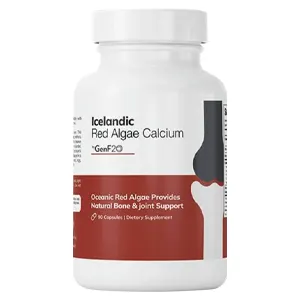
Red Algae Calcium
Product Type: Dietary Supplement
Primary Use: Bone Strength & Joint Mobility Support
Overall Rating: 4.9/5
Price: $59.95
Key Benefits
- Supports bone strength and mineral density
- Supports joint flexibility and mobility
- Provides calcium, magnesium, vitamin D3 and vitamin K2
- Supports healthy inflammatory balance
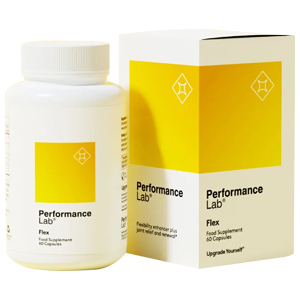
Performancelab Flex
Product Type: Dietary Supplement
Primary Use: Joint Health, Mobility & Flexibility Support
Overall Rating: 4.8/5
Price: $49.00
Key Benefits
- Supports comfortable joint movement
- Supports whole-body flexibility
- Supports healthy cartilage and connective tissues
- Supports joint lubrication and mobility

LeanBliss
Product Type: Dietary Supplement
Primary Use: Healthy Aging, Energy & Vitality Support
Overall Rating: 4.8/5
Price: $49.95
Key Benefits
- Supports energy and vitality
- Supports lean muscle mass
- Supports healthy body composition
- Supports memory and cognitive function