
Introduction
ExaFlex is a dietary supplement marketed for joint comfort, mobility, flexibility, and pain relief. The current sales page promotes an eight-ingredient formula containing MSM, methionine, bromelain, quercetin, turmeric, glucosamine, Boswellia extract, and chondroitin. The product is recommended at three capsules per day.
The formula contains several ingredients that have been studied for osteoarthritis and other forms of musculoskeletal discomfort. However, the evidence is mixed, and research on individual ingredients does not prove that the finished ExaFlex formula will produce the dramatic pain relief described on its sales page.
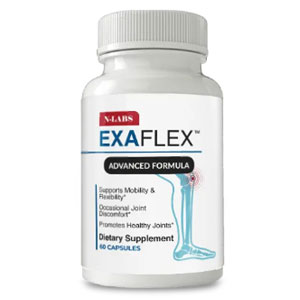 The biggest issue is the gap between the product’s marketing language and the available clinical evidence. ExaFlex’s website describes the supplement as capable of restoring “pain-free” endorphin levels and suggests that it can eliminate even severe chronic pain. Those are much stronger claims than can be established from the ingredient research.
So, does ExaFlex work? The fairest answer is that some ingredients have evidence for supporting joint comfort, but there is not enough product-specific clinical evidence to confirm that ExaFlex itself can reliably relieve chronic joint pain.
Quick Summary Box
| Product | ExaFlex |
|---|---|
| Category | Joint-health dietary supplement |
| Primary Purpose | Joint comfort, mobility, flexibility, and pain support |
| Formula | 8 active ingredients |
| Key Ingredients | MSM, Methionine, Bromelain, Quercetin, Turmeric, Glucosamine, Boswellia, Chondroitin |
| Recommended Use | 3 capsules daily before the first meal |
| Product-Specific Clinical Trial | Not identified |
| Current Listed Price | $49 for 1 bottle; lower per-bottle pricing for larger packages |
| Money-Back Guarantee | 365 days according to the sales page |
What Is ExaFlex?
ExaFlex is an oral dietary supplement positioned as a natural alternative for people experiencing joint discomfort, stiffness, and reduced mobility.
The supplied sales page uses an extensive personal story to introduce the product. It describes severe back, knee, neck, and shoulder pain and presents ExaFlex as the result of research into natural compounds that could influence the body’s pain response. The page then introduces an eight-ingredient formula.
The website recommends taking three capsules before the first meal of the day. It also states that ExaFlex is manufactured in a GMP-certified facility in the United States.
One important distinction is that GMP manufacturing does not mean the finished supplement has been FDA-approved for effectiveness. Dietary supplements do not go through the same premarket approval process as prescription drugs.
The sales page also makes several broad claims, including that ExaFlex can make users pain-free, restore endorphins to “pain-free” levels, and work better than other pain relievers. These should be regarded as manufacturer marketing claims rather than established clinical conclusions.
How Does ExaFlex Work?
ExaFlex appears to use several proposed mechanisms rather than one proven mechanism.
MSM is a sulfur-containing compound that has been studied for osteoarthritis and musculoskeletal symptoms.
Glucosamine and chondroitin are compounds naturally associated with cartilage and are among the most extensively studied dietary supplements for osteoarthritis.
Turmeric provides curcuminoids, including curcumin, which have been investigated for inflammatory pathways and osteoarthritis symptoms.
Boswellia is a botanical extract traditionally used for inflammatory conditions and joint discomfort.
Bromelain is a mixture of enzymes derived from pineapple and has been investigated for inflammatory and musculoskeletal conditions.
Quercetin is a plant flavonoid with antioxidant and anti-inflammatory activity that has also been studied in people with rheumatoid arthritis.
Methionine is an essential amino acid involved in protein synthesis and several metabolic pathways.
The ExaFlex sales page additionally argues that these ingredients increase endorphins and restore them to normal “pain-free” levels. However, this specific explanation has not been demonstrated as the established mechanism by which the complete ExaFlex formula treats chronic pain.
ExaFlex Key Ingredients
1. MSM (Methylsulfonylmethane)
The sales page initially calls MSM a “Comfort Compound” before later describing the eight-ingredient formula. Its description of the compound as a sulfur-containing substance absorbed through plant root systems is consistent with MSM.
MSM has been studied in people with knee osteoarthritis. A randomized controlled trial involving adults with knee OA found improvements in some pain and function measures after 12 weeks of MSM supplementation. However, the study used a much larger dose than can be established for ExaFlex from the official sales page.
NCCIH notes that relatively little research has been conducted on MSM for osteoarthritis, so definitive conclusions cannot currently be made.
Study: MSM and knee osteoarthritis – PubMed
2. Methionine
Methionine is an essential amino acid and one of the eight ingredients identified by the ExaFlex sales page.
The website makes a particularly strong claim about methionine’s role in pain modulation and refers to research involving patients with chronic pancreatitis. However, evidence that methionine supplementation can reliably treat chronic joint pain is considerably less established than the sales page suggests.
There is no identified randomized clinical trial demonstrating that the methionine-containing ExaFlex formula treats osteoarthritis.
For this reason, methionine is better described as a nutritional component of the formula rather than a clinically proven pain-relief ingredient.
3. Bromelain
Bromelain is an enzyme complex derived from pineapple.
A review of clinical studies concluded that bromelain has potentially useful anti-inflammatory and analgesic properties, but also emphasized the need for better prospective trials to establish its effectiveness and optimal dosage for osteoarthritis.
More recent evidence remains limited. NCCIH states that there is insufficient evidence to determine whether bromelain provides meaningful benefits for inflammatory conditions beyond certain uses such as acute nasal and sinus inflammation.
Study: Bromelain and osteoarthritis – PubMed
4. Quercetin
Quercetin is a flavonoid found naturally in foods such as onions, apples, and berries.
A randomized, double-blind, placebo-controlled trial in 50 women with rheumatoid arthritis found that 500 mg per day of quercetin for eight weeks improved several measures of pain and disease activity compared with placebo.
That is interesting evidence, but it should not be generalized to osteoarthritis or to ExaFlex without knowing the product’s actual quercetin dose and formulation.
Study: Quercetin and rheumatoid arthritis – PubMed
5. Turmeric / Curcumin
Turmeric is one of the better-studied ingredients in the ExaFlex formula.
A systematic review and meta-analysis of randomized controlled trials found that turmeric and curcumin supplementation may improve pain, stiffness, and function in people with osteoarthritis. The authors also noted that formulations and study designs varied.
Another meta-analysis found improvements in several osteoarthritis measures, although the researchers emphasized differences between studies.
NCCIH describes the evidence as promising but not definitive and points out that oral curcumin products differ considerably in formulation and bioavailability.
Studies:
Curcumin and osteoarthritis systematic review – PubMed
Turmeric and arthritis meta-analysis – PubMed
6. Glucosamine
Glucosamine is one of the most widely used joint supplements.
The evidence is mixed. NCCIH explains that clinical trials have produced inconsistent findings and that different glucosamine formulations have produced different results. Some professional guidelines recommend against glucosamine for knee osteoarthritis, while others state that certain preparations may help some patients.
This means it would be misleading to describe glucosamine as a universally effective arthritis treatment.
Study: NIH/NCCIH: Glucosamine and Chondroitin for Osteoarthritis
7. Boswellia Serrata
Boswellia has some encouraging evidence for osteoarthritis symptoms.
A systematic review and meta-analysis of randomized controlled trials found that Boswellia extracts may reduce pain and stiffness and improve joint function in people with osteoarthritis.
A newer 2024 systematic review also found potentially beneficial effects, although the researchers noted the need for further comparative research.
NCCIH takes a more cautious position, stating that several studies suggest oral Boswellia may help osteoarthritis pain and inflammation but that larger, higher-quality trials are still needed.
Studies:
Boswellia and osteoarthritis meta-analysis – PubMed
Boswellia and knee osteoarthritis meta-analysis – PubMed
8. Chondroitin
Chondroitin is another extensively researched osteoarthritis supplement.
Some meta-analyses have reported improvements in pain and function, but results vary substantially according to product, study quality, and population.
NCCIH similarly concludes that the evidence is inconsistent and that it remains uncertain whether glucosamine and chondroitin produce meaningful benefits for osteoarthritis symptoms.
Study: Chondroitin sulfate meta-analysis – PubMed
ExaFlex Benefits
Based on the ingredients and manufacturer positioning, ExaFlex is intended to:
- Support comfortable joint movement.
- Promote flexibility and mobility.
- Complement nutritional support for cartilage and connective tissues.
- Support a healthy inflammatory response.
- Provide multiple joint-health nutrients in a single daily formula.
These are reasonable descriptions of the product’s intended nutritional role. Claims that ExaFlex will eliminate chronic pain, restore “pain-free” endorphin levels, or work better than conventional pain medicines go beyond what the available evidence establishes.
ExaFlex Pros & Cons
Pros
- Contains eight ingredients commonly associated with joint-health research.
- Includes several ingredients with human clinical evidence.
- Turmeric and Boswellia have encouraging evidence for some osteoarthritis symptoms.
- Convenient capsule format.
- The manufacturer advertises a 365-day money-back guarantee.
- The sales page states that the product is manufactured in a GMP-certified U.S. facility.
Cons
- No clinical trial testing the complete ExaFlex formula was identified.
- The official sales page does not clearly provide a complete Supplement Facts panel with individual ingredient quantities.
- Evidence for several ingredients is mixed or limited.
- The website makes substantially stronger pain-relief claims than the clinical evidence supports.
- Customer testimonials on the sales page are not independent clinical evidence.
- ExaFlex should not be considered a substitute for diagnosis or treatment of persistent joint pain.
Comparison Table with Alternatives
| Option | Primary Focus | Evidence Consideration |
|---|---|---|
| ExaFlex | Multi-ingredient joint support | Several ingredients have human research, but no product-specific clinical trial identified |
| Glucosamine/Chondroitin | Cartilage and osteoarthritis support | Extensively studied, but results remain inconsistent |
| Curcumin | Joint pain and inflammatory response | Multiple meta-analyses show potentially useful effects, but formulation matters |
| Boswellia | Joint comfort and inflammation | Promising evidence, but larger high-quality studies are still needed |
| Exercise/Physical Therapy | Mobility, strength, and function | Established non-drug approaches are part of evidence-based osteoarthritis management |
NCCIH notes that physical approaches such as exercise and tai chi have evidence for improving symptoms and function in osteoarthritis, while the evidence for many dietary supplements remains uncertain.
Customer Reviews
The ExaFlex sales page contains numerous testimonials describing improvements in knee, back, neck, and other joint discomfort. The page also claims tens of thousands of success stories.
Examples on the sales page describe users reporting easier movement, reduced stiffness, improved sleep, and less discomfort.
These testimonials should be treated as manufacturer-presented anecdotal reports. They are not equivalent to independently verified customer reviews or randomized clinical trials.
The page does not provide enough independent methodology to determine how the testimonials were collected, whether all customers were invited to submit feedback, or whether the experiences represent the typical result.
Therefore, customer testimonials can provide context about how the product is marketed, but they should not be used to establish efficacy.
Who Should Consider ExaFlex?
ExaFlex may interest adults looking for a multi-ingredient dietary supplement focused on joint comfort and mobility.
It may be particularly relevant to people who prefer combining several joint-support ingredients rather than taking separate supplements.
However, expectations should remain realistic. A supplement should complement, rather than replace, an overall joint-health plan that may include appropriate exercise, physical therapy, weight management when relevant, sleep, and medical care.
Who Should Avoid ExaFlex or Talk With a Doctor First?
Anyone with persistent, severe, unexplained, or rapidly worsening joint pain should obtain an appropriate medical evaluation rather than relying on a supplement.
People taking prescription medications should also discuss ExaFlex with a healthcare professional before use.
This is especially important for individuals taking warfarin or other medications that affect blood clotting. NCCIH reports that glucosamine and chondroitin have been associated with increased bleeding risk in people taking warfarin.
People with diabetes or blood-glucose concerns should also discuss glucosamine supplementation with their healthcare provider because glucosamine may increase blood glucose in some individuals.
Side Effects & Safety
The claim on the ExaFlex sales page that the supplement has “no side effects” should not be interpreted as a guarantee. Every active ingredient can have potential adverse effects, and individual tolerability varies.
Glucosamine and chondroitin: Large studies have not identified major general safety problems, but possible concerns include blood-glucose effects with glucosamine and increased bleeding risk with warfarin.
Turmeric/curcumin: NCCIH reports that conventional oral turmeric is generally well tolerated at recommended amounts, but it can cause nausea, reflux, stomach upset, diarrhea, or constipation. Some highly bioavailable curcumin products have also been associated with liver injury.
Boswellia: NCCIH states that oral Boswellia is likely safe at commonly studied doses, although people taking medications should discuss potential interactions with a healthcare professional.
MSM: NCCIH notes that MSM can cause digestive upset, allergic reactions, and skin rashes in some people.
Bromelain: Clinical evidence is not strong enough to establish an optimal long-term dosage for osteoarthritis, which makes the actual formulation and dose important.
Anyone who develops a significant adverse reaction should stop using the product and seek appropriate medical advice.
Pricing & Packages
The current ExaFlex sales page displays the following promotional pricing:
| Package | Displayed Price |
|---|---|
| 1 Bottle | $49 per bottle |
| 3 Bottles | $39 per bottle |
| 6 Bottles | $33 per bottle |
The page states that the six-bottle package represents a 180-day supply and advertises free shipping as part of the current promotion. It also states that purchases are covered by a 365-day money-back guarantee.
Promotional prices can change, so the checkout page should be reviewed before ordering.
Frequently Asked Questions
1. What is ExaFlex?
ExaFlex is a dietary supplement marketed for joint comfort, flexibility, mobility, and pain support. Its sales page identifies eight ingredients: MSM, methionine, bromelain, quercetin, turmeric, glucosamine, Boswellia, and chondroitin.
2. Does ExaFlex really relieve joint pain?
Some ExaFlex ingredients have research suggesting potential benefits for joint symptoms, but no clinical trial testing the complete ExaFlex formula was identified. Therefore, its overall effectiveness for joint pain remains unconfirmed.
3. What ingredients are in ExaFlex?
The sales page identifies MSM, methionine, bromelain, quercetin, turmeric, glucosamine, Boswellia extract, and chondroitin as the eight nutrients in the formula.
4. Does ExaFlex contain glucosamine and chondroitin?
Yes. Both glucosamine and chondroitin are listed among the eight ingredients. These compounds have been extensively studied for osteoarthritis, although clinical findings remain inconsistent.
5. Is ExaFlex FDA approved?
No. ExaFlex is marketed as a dietary supplement. Dietary supplements are not FDA-approved like prescription drugs before they reach the market.
6. How should ExaFlex be taken?
The supplied sales page recommends taking three capsules before the first meal of the day.
7. How quickly does ExaFlex work?
The sales page claims that users can experience improvements within days and elsewhere refers to specific short timeframes. These claims have not been established in a clinical trial of ExaFlex itself.
8. Is ExaFlex safe with medications?
Not necessarily for everyone. Glucosamine and chondroitin may interact with warfarin, and herbal ingredients can also interact with medications. Anyone taking prescription drugs should discuss ExaFlex with a healthcare professional before use.
9. Does ExaFlex repair damaged cartilage?
There is insufficient evidence to say that ExaFlex repairs damaged cartilage. Although glucosamine and chondroitin are components of cartilage, evidence that supplementation meaningfully changes joint structure is uncertain.
10. Does ExaFlex have a money-back guarantee?
Yes. The current sales page advertises a 365-day money-back guarantee. Buyers should review the applicable return terms before purchasing.
Final Verdict
ExaFlex is an ambitious eight-ingredient joint-support formula containing several ingredients with legitimate scientific interest.
The strongest evidence in the formula comes from ingredients such as turmeric/curcumin and Boswellia, which have been evaluated in randomized trials and systematic reviews for osteoarthritis symptoms. Glucosamine and chondroitin have also been studied extensively, although major organizations emphasize that their results are inconsistent.
MSM has some encouraging clinical research, while evidence for bromelain, quercetin, and methionine is less convincing for the specific purpose of treating chronic joint pain.
The major limitation is that ingredient research is not the same as product research. I did not identify a randomized controlled trial testing ExaFlex as a complete formula. Consequently, there is no strong clinical basis for claiming that ExaFlex itself can eliminate chronic pain, restore endorphins to “pain-free” levels, or outperform conventional pain treatments.
The marketing language also deserves caution. The sales page repeatedly uses terms such as “pain-free,” “breakthrough,” and “works better than any other pain reliever,” while presenting testimonials as evidence of dramatic results. Those statements represent the seller’s marketing claims rather than conclusions established by independent clinical research.
Editorial assessment: ExaFlex has a scientifically interesting ingredient profile, but the evidence supports describing it as a joint-health supplement with potentially useful ingredients, not as a proven treatment for chronic pain or arthritis.
For adults considering ExaFlex, the most reasonable approach is to verify the current Supplement Facts label, review the return policy, consider medication interactions, and maintain realistic expectations. Persistent or severe joint pain should receive a proper medical evaluation rather than being managed exclusively with a dietary supplement.
The current promotional price is $49 for one bottle, $39 per bottle in the three-bottle package, and $33 per bottle in the six-bottle package, with the website advertising a 365-day money-back guarantee.
Our Top Joint Health & Bone Strength Products
We evaluated these products based on key factors relevant to their intended use. Our editorial ratings consider ingredient transparency, available scientific evidence, formulation quality, safety considerations, value, and other product-specific factors.
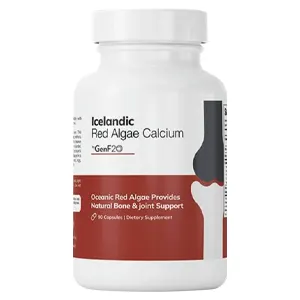
Red Algae Calcium
Product Type: Dietary Supplement
Primary Use: Bone Strength & Joint Mobility Support
Overall Rating: 4.9/5
Price: $59.95
Key Benefits
- Supports bone strength and mineral density
- Supports joint flexibility and mobility
- Provides calcium, magnesium, vitamin D3 and vitamin K2
- Supports healthy inflammatory balance
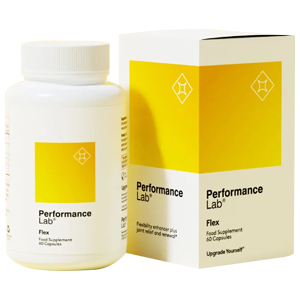
Performancelab Flex
Product Type: Dietary Supplement
Primary Use: Joint Health, Mobility & Flexibility Support
Overall Rating: 4.8/5
Price: $49.00
Key Benefits
- Supports comfortable joint movement
- Supports whole-body flexibility
- Supports healthy cartilage and connective tissues
- Supports joint lubrication and mobility
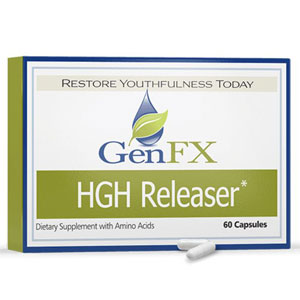
LeanBliss
Product Type: Dietary Supplement
Primary Use: Healthy Aging, Energy & Vitality Support
Overall Rating: 4.8/5
Price: $49.95
Key Benefits
- Supports energy and vitality
- Supports lean muscle mass
- Supports healthy body composition
- Supports memory and cognitive function