
GLX3 is a green-lipped mussel oil supplement from Haka Life Nutrition, marketed primarily for joint, muscle, and mobility support. Its main active ingredient is oil extracted from New Zealand green-lipped mussels (Perna canaliculus), which naturally contains omega-3 fatty acids, including eicosatetraenoic acid (ETA). The formula also includes New Zealand olive oil and vitamin E oil. ([Haka Life Nutrition](https://www.hakalife.com/products/glx3-extra-strength-green-lipped-mussel-oil))
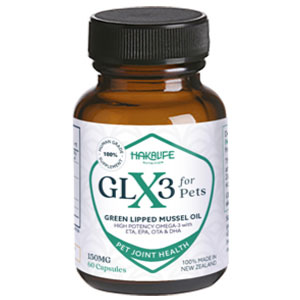
My assessment is cautiously positive. Green-lipped mussel has more human clinical research behind it than many joint supplements, including randomized trials and systematic reviews involving osteoarthritis. However, the evidence is still limited by differences in extracts, doses, study quality, and product formulations. Most importantly, studies on green-lipped mussel extracts do not automatically prove that GLX3 itself will produce the same results.
GLX3 is also not a treatment for arthritis or another joint disease. Its more defensible role is as a dietary supplement that may help support joint comfort and mobility in some people.
Quick GLX3 Review Summary
| Category | Assessment |
|---|---|
| Product type | Green-lipped mussel oil dietary supplement |
| Primary purpose | Joint comfort, mobility, and muscle support |
| Main active ingredient | New Zealand green-lipped mussel oil |
| Other ingredients | New Zealand olive oil and vitamin E oil |
| Capsules | 60 softgels per bottle |
| Standard serving | 2 softgels daily with a meal |
| Initial higher-use recommendation | Manufacturer suggests 2 softgels twice daily for the first two weeks |
| Green-lipped mussel amount | Manufacturer has stated 100 mg in product information |
| Product-specific clinical trial | Not identified |
| Money-back guarantee | 90 days |
| Overall assessment | Promising ingredient with human osteoarthritis research, but GLX3-specific evidence is limited |
What Is GLX3?
GLX3 is a softgel supplement designed around green-lipped mussel oil sourced from New Zealand. Haka Life Nutrition describes the formula as containing three ingredients: green-lipped mussel oil, New Zealand olive oil, and New Zealand vitamin E oil. The company positions the product as a natural alternative to conventional fish oil for joint and mobility support. ([Haka Life Nutrition](https://www.hakalife.com/products/glx3-extra-strength-green-lipped-mussel-oil))
The manufacturer’s current product page states that one bottle contains 60 capsules and represents a 30-day supply when taking two capsules daily. The company recommends taking the capsules with food. It also says that new users can take two capsules twice daily during the first couple of weeks. ([Haka Life Nutrition](https://www.hakalife.com/products/glx3-extra-strength-green-lipped-mussel-oil))
Green-lipped mussel is scientifically interesting because its lipid profile differs from conventional fish oil. It contains several omega-3 fatty acids, including ETA, which is not typically emphasized in standard fish-oil products.
However, the presence of ETA does not by itself prove that GLX3 will provide greater pain relief than fish oil or other joint supplements. That question needs to be evaluated through clinical research.
How Does GLX3 Work?
GLX3’s proposed mechanism centers on the bioactive lipids naturally found in Perna canaliculus.
Green-lipped mussel contains marine omega-3 fatty acids and other lipid compounds that have demonstrated anti-inflammatory activity in laboratory and clinical research. Researchers have proposed that some of these lipids may influence inflammatory pathways involved in joint symptoms.
The company’s marketing places particular emphasis on ETA and describes it as a distinctive omega-3 associated with maintaining a healthy inflammatory balance. That is a plausible biological explanation for why green-lipped mussel has attracted interest in osteoarthritis research, but it should not be interpreted as proof that ETA specifically causes GLX3’s claimed effects. ([Haka Life Nutrition](https://www.hakalife.com/products/glx3-extra-strength-green-lipped-mussel-oil))
It is also important to distinguish reducing inflammation-related pathways from treating the underlying structural changes associated with osteoarthritis. A supplement may potentially improve symptoms without reversing cartilage damage or curing arthritis.
GLX3 Ingredients and Scientific Evidence
1. Green-Lipped Mussel Oil
Green-lipped mussel oil is the primary ingredient in GLX3 and the component with the most relevant scientific evidence.
A 2021 systematic review examined nine clinical trials involving green-lipped mussel extracts in people with osteoarthritis. Five studies were suitable for pooled analysis, and the researchers found a moderate, statistically significant effect on pain measured using visual analogue scales. They concluded that green-lipped mussel extracts may provide clinically meaningful effects on osteoarthritis pain, while also emphasizing that the available evidence is limited by the number and quality of studies. ([PubMed](https://pubmed.ncbi.nlm.nih.gov/33738701/))
An earlier systematic review also found evidence suggesting that green-lipped mussel may be superior to placebo for mild-to-moderate osteoarthritis. However, the researchers excluded two of the four available randomized trials from their main analysis because of concerns about blinding and statistical methods. They specifically called for more rigorous research to establish optimal dosage. ([PubMed](https://pubmed.ncbi.nlm.nih.gov/18222988/))
That is a useful way to interpret the evidence: green-lipped mussel is promising, but it is not yet supported by the same depth of evidence as established pharmaceutical treatments for osteoarthritis.
Evidence assessment: Moderate and promising evidence for symptomatic joint support, particularly osteoarthritis pain, but additional high-quality trials are needed.
Studies:
Green-Lipped Mussel and Osteoarthritis — 2021 Systematic Review
Green-Lipped Mussel and Osteoarthritis — Systematic Review
2. Eicosatetraenoic Acid (ETA)
ETA is one of the compounds that makes green-lipped mussel oil different from many conventional marine-oil supplements.
The manufacturer highlights ETA as an omega-3 found in green-lipped mussels and suggests that it may help regulate inflammatory processes. ([Haka Life Nutrition](https://www.hakalife.com/products/glx3-extra-strength-green-lipped-mussel-oil))
There is a reasonable biological rationale for studying ETA and other green-lipped mussel lipids in inflammatory conditions. However, the available human clinical evidence generally evaluates whole green-lipped mussel preparations or specific lipid extracts, rather than isolating ETA and proving that ETA alone accounts for the clinical effects.
That distinction matters when evaluating marketing claims about a particular compound.
Evidence assessment: Scientifically interesting omega-3 component, but clinical evidence does not establish ETA alone as the active ingredient responsible for joint benefits.
3. New Zealand Olive Oil
GLX3 also contains New Zealand olive oil. The manufacturer says it helps preserve the mussel oil and supports absorption while providing naturally occurring polyphenols and healthy fats. ([Haka Life Nutrition](https://www.hakalife.com/products/glx3-extra-strength-green-lipped-mussel-oil))
Olive oil itself has extensive nutrition research, particularly in the context of cardiovascular and metabolic health. However, there is not enough evidence to attribute GLX3’s joint-support claims specifically to the small amount of olive oil used as a formulation ingredient.
Evidence assessment: Useful formulation ingredient, but not the primary evidence-based reason to choose GLX3 for joint support.
4. Vitamin E Oil
Vitamin E oil is included in the formula to help maintain product stability. The manufacturer also describes antioxidant properties associated with vitamin E. ([Haka Life Nutrition](https://www.hakalife.com/products/glx3-extra-strength-green-lipped-mussel-oil))
Vitamin E is an essential nutrient with established biological functions, including antioxidant activity. However, that does not mean supplemental vitamin E will necessarily reduce joint pain.
For GLX3, vitamin E should therefore be viewed mainly as a supporting formulation ingredient rather than the principal reason the product might help joint comfort.
Evidence assessment: Nutritionally relevant antioxidant, but limited direct evidence for GLX3’s joint claims.
What Does the Research Say About Green-Lipped Mussel for Joint Pain?
The most useful evidence comes from clinical trials and systematic reviews rather than laboratory explanations.
A 2013 randomized clinical trial compared a green-lipped mussel extract with glucosamine sulfate in 38 people with knee osteoarthritis. Participants received 3,000 mg per day of whole green-lipped mussel extract or glucosamine for 12 weeks. Both groups showed significant improvements in osteoarthritis outcome measures. ([PubMed](https://pubmed.ncbi.nlm.nih.gov/22821424/))
Another randomized, double-blind, placebo-controlled trial evaluated 600 mg per day of a specific green-lipped mussel extract called BioLex for 12 weeks in 80 people with moderate-to-severe hip or knee osteoarthritis. The researchers assessed pain, quality of life, overall WOMAC scores, and medication use. ([PubMed](https://pubmed.ncbi.nlm.nih.gov/28830491/))
These studies are encouraging, but they also demonstrate why dose and extract type matter. Clinical trials have evaluated substantially different preparations and amounts of green-lipped mussel.
GLX3’s product information has stated that it contains 100 mg of green-lipped mussel oil. That amount should not be directly compared with studies using hundreds or thousands of milligrams of a whole extract because oil extracts and whole-mussel powders are not chemically equivalent. ([Haka Life Nutrition](https://www.hakalife.com/products/glx3-extra-strength-green-lipped-mussel-oil))
Does GLX3 Really Work?
There is reasonable evidence that green-lipped mussel preparations may help some people with osteoarthritis-related pain and mobility. The evidence is not conclusive, but it is stronger than the evidence behind many heavily marketed joint supplements.
The important qualification is that the studies reviewed above did not test GLX3 specifically. They tested other green-lipped mussel products, including whole extracts and proprietary lipid preparations.
I did not identify a published randomized clinical trial demonstrating that GLX3 itself reduces joint pain or improves mobility.
Therefore, it would be inaccurate to describe GLX3 as clinically proven. A more evidence-based conclusion is that GLX3 uses an ingredient with promising human research for joint symptoms, but the effectiveness of this specific formulation remains uncertain.
Potential GLX3 Benefits
Based on the available evidence, the reasonable potential benefits include:
- Support for joint comfort
- Potential reduction in osteoarthritis-related pain
- Support for normal mobility and physical function
- Marine omega-3 intake from green-lipped mussel oil
- Potential support for a balanced inflammatory response
- An alternative source of marine lipids for people who prefer not to use conventional fish oil
These should be considered potential benefits, not guaranteed outcomes.
GLX3 Limitations
The biggest limitation is the lack of a GLX3-specific clinical trial.
Research on green-lipped mussel is useful because it provides evidence for the ingredient category, but different products can vary significantly in extraction method, lipid composition, stabilization, and dose.
The second limitation is the relatively small amount of green-lipped mussel oil disclosed by the manufacturer compared with some clinical studies. The 100 mg figure cannot be assumed to have the same clinical effect as 600 mg or 3,000 mg of a different green-lipped mussel preparation.
Another limitation is that many clinical studies have focused on people with diagnosed osteoarthritis. Results from those populations should not automatically be generalized to healthy adults experiencing occasional soreness after exercise.
GLX3 Side Effects and Safety
Green-lipped mussel has generally been described as well tolerated in many of the clinical studies, although this does not mean that every person will tolerate it.
The most important safety issue is mussel allergy. Green-lipped mussel is a molluscan shellfish, and allergic reactions to Perna canaliculus have been documented. A published case report identified potential allergens in green-lipped mussel, including actin, tropomyosin, and paramyosin. ([PubMed](https://pubmed.ncbi.nlm.nih.gov/36640062/))
People with known shellfish or mussel allergies should therefore avoid GLX3 unless a qualified healthcare professional specifically determines that it is appropriate.
The FDA distinguishes molluscan shellfish such as mussels from crustacean shellfish in its federal major-allergen labeling framework, but that does not mean mussels cannot cause serious allergic reactions. ([FDA](https://www.fda.gov/media/117410/download?attachment=))
Anyone taking prescription medication, preparing for surgery, pregnant or breastfeeding, or managing a chronic medical condition should discuss GLX3 with a healthcare professional before using it.
GLX3 should also not be used as a replacement for prescribed treatment for osteoarthritis, rheumatoid arthritis, or another inflammatory or musculoskeletal condition.
Who May Consider GLX3?
GLX3 may appeal to adults who:
- Want a marine-based joint-support supplement
- Are interested in green-lipped mussel rather than standard fish oil
- Experience occasional joint discomfort or stiffness
- Want a simple softgel rather than a powder or liquid supplement
- Understand that the evidence supports green-lipped mussel generally rather than GLX3 specifically
Who Should Use Caution?
Extra caution is appropriate for people who:
- Have a known mussel or shellfish allergy
- Have experienced unexplained reactions to seafood supplements
- Take prescription medications and are unsure about possible interactions
- Are preparing for surgery
- Are pregnant or breastfeeding
- Have persistent, severe, or unexplained joint pain
- Have diagnosed arthritis and are considering GLX3 as a replacement for medical treatment
Persistent joint pain, swelling, warmth, significant stiffness, or loss of function warrants appropriate medical evaluation rather than relying solely on a dietary supplement.
GLX3 Price and Value
The official website currently lists GLX3 at approximately $54.99 for one bottle on the displayed offer. Two-bottle and three-bottle packages are advertised at discounted prices, with the three-bottle option currently shown at $118.99, or approximately $39.66 per bottle. The site also advertises free shipping and a 90-day money-back guarantee. Prices and promotions can change. ([Haka Life Nutrition](https://www.hakalife.com/products/glx3-extra-strength-green-lipped-mussel-oil))
| Package | Advertised Price | Approx. Price Per Bottle | Supply |
|---|---|---|---|
| 1 bottle | $54.99 | $54.99 | 30 days |
| 2 bottles | $88.00 | $44.00 | 60 days |
| 3 bottles | $118.99 | $39.66 | 90 days |
From a value perspective, GLX3 is more expensive than basic fish-oil supplements, but a direct price comparison is not necessarily appropriate because green-lipped mussel oil has a different lipid composition.
The more important question is whether the specific dose and formulation justify the cost. Since no GLX3-specific clinical trial was identified, I would consider the product’s value reasonable but not definitively established.
GLX3 Pros and Cons
Pros
- Uses green-lipped mussel, an ingredient with human clinical research for osteoarthritis symptoms
- Formula contains only three listed ingredients
- Green-lipped mussel provides marine omega-3 fatty acids including ETA
- Convenient softgel format
- Manufacturer provides a 90-day money-back guarantee
- Current product information provides a simple two-capsule daily serving
Cons
- No published clinical trial specifically testing GLX3 was identified
- Green-lipped mussel research involves different extracts and doses
- The stated 100 mg mussel-oil amount cannot be directly compared with studies using much larger amounts of whole extract
- People with mussel allergies should avoid the product
- Clinical evidence for green-lipped mussel is promising but still limited
- It should not be considered a treatment for arthritis or a replacement for prescribed care
Frequently Asked Questions
What is GLX3?
GLX3 is a dietary supplement from Haka Life Nutrition made primarily from New Zealand green-lipped mussel oil. The formula also contains New Zealand olive oil and vitamin E oil. ([Haka Life Nutrition](https://www.hakalife.com/products/glx3-extra-strength-green-lipped-mussel-oil))
What is GLX3 used for?
GLX3 is marketed primarily for joint comfort, mobility, and muscle support. The scientific evidence for green-lipped mussel is most relevant to symptoms associated with osteoarthritis.
Does GLX3 really work for joint pain?
Green-lipped mussel extracts have shown promising results in several clinical studies involving osteoarthritis, including a 2021 systematic review that found a moderate effect on pain. However, those studies did not specifically test GLX3, so its effectiveness cannot be considered clinically established. ([PubMed](https://pubmed.ncbi.nlm.nih.gov/33738701/))
What is the main ingredient in GLX3?
The primary ingredient is New Zealand green-lipped mussel oil from Perna canaliculus. The manufacturer also lists New Zealand olive oil and vitamin E oil. ([Haka Life Nutrition](https://www.hakalife.com/products/glx3-extra-strength-green-lipped-mussel-oil))
What is ETA in green-lipped mussel oil?
ETA, or eicosatetraenoic acid, is an omega-3 fatty acid found in green-lipped mussels. It is one of the lipid components that distinguishes green-lipped mussel oil from many conventional fish-oil products.
How many GLX3 capsules should be taken daily?
The manufacturer currently recommends two softgels daily with a meal. It also suggests that new users can take two softgels twice daily during the first couple of weeks. ([Haka Life Nutrition](https://www.hakalife.com/blogs/faq/how-many-should-i-take))
How long does GLX3 take to work?
There is no scientifically established timeframe for GLX3 specifically. Clinical studies of green-lipped mussel have generally evaluated outcomes over several weeks to a few months. Individual responses can vary, and the manufacturer states that some customers report benefits within a few weeks. ([Haka Life Nutrition](https://www.hakalife.com/products/glx3-extra-strength-green-lipped-mussel-oil))
Is GLX3 safe?
Green-lipped mussel preparations have generally been well tolerated in clinical studies, but people with mussel or shellfish allergies should avoid GLX3 because green-lipped mussel can trigger allergic reactions. Anyone taking medication or managing a medical condition should consult a healthcare professional before use. ([PubMed](https://pubmed.ncbi.nlm.nih.gov/36640062/))
Is GLX3 better than fish oil?
There is not enough evidence to say that GLX3 is universally better than fish oil. Green-lipped mussel has a different fatty-acid profile, including ETA, and some green-lipped mussel extracts have demonstrated benefits in osteoarthritis studies. However, direct comparisons depend on the specific products, doses, and clinical outcomes being evaluated.
Final Verdict: Is GLX3 Worth It?
My GLX3 review conclusion is that this product has a more credible scientific foundation than many generic joint supplements because its primary ingredient, green-lipped mussel, has been evaluated in human clinical trials and systematic reviews.
The strongest evidence comes from studies of Perna canaliculus extracts in people with osteoarthritis. A 2021 systematic review of nine clinical trials found a moderate and statistically significant effect on osteoarthritis pain, while earlier reviews also reported promising results but emphasized limitations in study quality and the need for better research. ([PubMed](https://pubmed.ncbi.nlm.nih.gov/33738701/)) ([PubMed](https://pubmed.ncbi.nlm.nih.gov/18222988/))
That said, green-lipped mussel research is not the same as GLX3 research. The clinical studies have used different extracts, formulations, and doses. Some have used hundreds or thousands of milligrams of whole extract, while the manufacturer has stated that GLX3 provides 100 mg of green-lipped mussel oil. That difference makes it difficult to predict whether GLX3 will produce the same magnitude of benefit seen in clinical trials.
I also would not accept the manufacturer’s customer-review statistics as clinical evidence. The official website displays a large number of positive customer reviews and a 4.9/5 rating, but testimonials are anecdotal and cannot establish efficacy. ([Haka Life Nutrition](https://www.hakalife.com/products/glx3-extra-strength-green-lipped-mussel-oil))
Bottom line: GLX3 is a reasonable product to consider for someone interested in green-lipped mussel as a joint-support supplement, particularly when expectations are modest. The underlying ingredient has promising evidence for osteoarthritis-related pain and mobility, but GLX3 itself has not been clinically proven to treat joint pain or arthritis. People with mussel allergies should avoid it, and anyone with persistent or significant joint symptoms should discuss appropriate treatment with a healthcare professional.
Our Top Joint Health & Bone Strength Products
We evaluated these products based on key factors relevant to their intended use. Our editorial ratings consider ingredient transparency, available scientific evidence, formulation quality, safety considerations, value, and other product-specific factors.
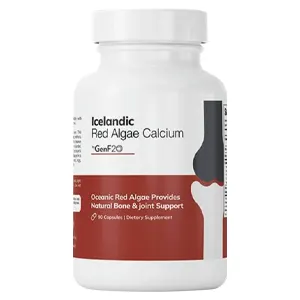
Red Algae Calcium
Product Type: Dietary Supplement
Primary Use: Bone Strength & Joint Mobility Support
Overall Rating: 4.9/5
Price: $59.95
Key Benefits
- Supports bone strength and mineral density
- Supports joint flexibility and mobility
- Provides calcium, magnesium, vitamin D3 and vitamin K2
- Supports healthy inflammatory balance
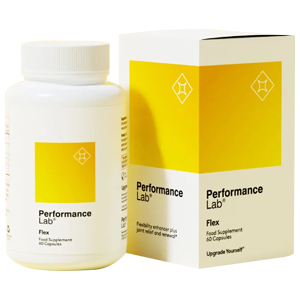
Performancelab Flex
Product Type: Dietary Supplement
Primary Use: Joint Health, Mobility & Flexibility Support
Overall Rating: 4.8/5
Price: $49.00
Key Benefits
- Supports comfortable joint movement
- Supports whole-body flexibility
- Supports healthy cartilage and connective tissues
- Supports joint lubrication and mobility

LeanBliss
Product Type: Dietary Supplement
Primary Use: Healthy Aging, Energy & Vitality Support
Overall Rating: 4.8/5
Price: $49.95
Key Benefits
- Supports energy and vitality
- Supports lean muscle mass
- Supports healthy body composition
- Supports memory and cognitive function