
Introduction
Glyco Shield is a dietary supplement marketed to support healthy blood sugar levels, reduce sugar cravings, improve daily energy, and promote weight management. Its official website, Daily Care Plus, promotes a formula containing botanical extracts and chromium.
The product may attract adults looking for additional support with metabolic health. However, blood sugar management is a medical concern, particularly for people with prediabetes or type 2 diabetes. Ingredient research does not automatically establish that a finished supplement delivers the advertised results.
My review examines Glyco Shield’s advertised formula, available scientific evidence, potential safety concerns, pricing, and limitations. The main consideration is whether the available information supports its marketing claims.
Important finding: I could not verify published clinical trials demonstrating that Glyco Shield itself improves blood glucose control. Its website lists several ingredients but does not provide enough independently verifiable information to establish the effectiveness of the complete formula.
Glyco Shield Quick Summary
| Feature | Details |
|---|---|
| Product name | Glyco Shield, also written as GlycoShield or Glico Shield on promotional materials |
| Product category | Blood sugar and metabolic health supplement |
| Primary claims | Blood glucose support, reduced sugar cravings, energy, and weight management |
| Advertised ingredients | Monoammonium glycyrrhizinate, astragalus, grapefruit, green tea, gymnema sylvestre, grape seed extract, chromium, and capsicum annuum |
| Clinical evidence for the finished formula | No independently verified clinical trial identified |
| Primary concern | Ingredient quantities and product-specific evidence are not sufficiently established by the reviewed sales information |
| Best approach | Review the full Supplement Facts label and consult a healthcare professional before use |
What Is Glyco Shield?
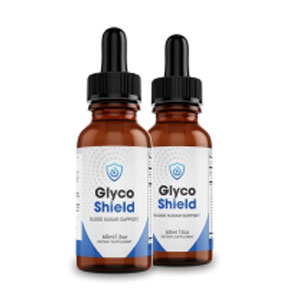 Glyco Shield is marketed as a supplement for people seeking support with blood sugar balance and metabolic wellness. According to its official sales page, the formula is intended to help maintain glucose levels, reduce cravings for sweets, support energy, and assist with weight management.
These are manufacturer claims rather than established outcomes for the finished product.
The website also uses language suggesting that Glyco Shield can make managing type 2 diabetes easier. This claim deserves particular scrutiny because a dietary supplement should not be considered a treatment for diabetes unless supported by appropriate clinical evidence and authorized for that use.
The U.S. Food and Drug Administration (FDA) does not approve dietary supplements for safety and effectiveness before they enter the market in the same way it approves prescription drugs. Consumers can review the FDA’s explanation of dietary supplement regulation for additional context.
How Does Glyco Shield Claim to Work?
Glyco Shield’s marketing centers on ingredients that the manufacturer associates with glucose metabolism, antioxidant activity, appetite control, and insulin function.
The proposed approach appears to combine several mechanisms:
- Glucose metabolism: Chromium is involved in normal nutrient metabolism, although supplement research has not consistently demonstrated meaningful blood sugar benefits.
- Craving management: Gymnema sylvestre is traditionally associated with reducing the perception of sweetness, but evidence for the finished Glyco Shield formula is unavailable.
- Antioxidant support: Green tea and grape seed extracts contain compounds studied for their antioxidant properties.
- Metabolic support: Capsicum annuum and grapefruit are promoted for their potential roles in metabolism and weight management.
- Botanical support: Astragalus and monoammonium glycyrrhizinate are presented as additional components of the formula.
These proposed mechanisms should not be confused with demonstrated clinical benefits. The exact amounts, extract specifications, and bioavailability of the ingredients can affect their relevance to human research.
Glyco Shield Ingredients: What Does the Research Say?
The following ingredients appear on the official product page. The assessments below distinguish general ingredient research from evidence specifically supporting Glyco Shield.
1. Monoammonium Glycyrrhizinate
Monoammonium glycyrrhizinate is a licorice-derived compound. The manufacturer associates it with antioxidant activity and blood sugar support.
However, the presence of a licorice-derived compound does not establish that the product improves glucose control. Its specific form, amount, and safety profile need to be evaluated before drawing conclusions.
Licorice-related compounds also deserve attention because some forms and exposures can affect blood pressure and electrolyte balance. The National Center for Complementary and Integrative Health (NCCIH) explains that glycyrrhizin in licorice can cause serious adverse effects in certain circumstances. That information does not establish that Glyco Shield contains a particular amount of glycyrrhizin, but it reinforces the need to verify the exact formulation.
2. Astragalus
Astragalus is a botanical used in traditional herbal practices. It is promoted on the product page for antioxidant, immune, and metabolic support.
Research into individual herbal compounds does not establish that astragalus can independently manage diabetes or that it produces a clinically meaningful effect in this specific blend. The available sales information does not establish the extract concentration or provide a verified clinical dose for Glyco Shield.
3. Grapefruit
Grapefruit contains various plant compounds and is part of a balanced diet. The manufacturer associates it with glucose utilization and metabolism.
However, grapefruit as a food or ingredient should not be treated as a proven treatment for high blood sugar. The product page does not sufficiently clarify the precise grapefruit ingredient, extract standardization, or quantity.
Grapefruit can also interact with certain medications. Anyone taking prescription medicines should ask a pharmacist or clinician whether grapefruit-derived ingredients are appropriate.
4. Green Tea
Green tea contains catechins, including epigallocatechin gallate (EGCG), which have been investigated for their antioxidant and metabolic effects.
The presence of green tea in a supplement does not prove that the product promotes substantial weight loss or controls blood glucose. Results from studies of green tea beverages or standardized extracts cannot automatically be applied to Glyco Shield without matching doses and formulation details.
5. Gymnema Sylvestre
Gymnema sylvestre is an herb traditionally used in preparations associated with blood sugar management. Some preliminary research has investigated its potential effects on glucose metabolism and sweet taste perception.
Nevertheless, the available evidence does not establish that Glyco Shield reduces sugar cravings or improves diabetes outcomes. The lack of independently verified ingredient quantities makes it difficult to compare the advertised formula with research preparations.
People taking glucose-lowering medication should be particularly cautious because combining supplements with medication may affect blood glucose levels.
6. Grape Seed Extract
Grape seed extract contains polyphenols, including proanthocyanidins, studied for antioxidant activity and possible cardiovascular effects.
These properties do not demonstrate that grape seed extract can treat diabetes. The clinical relevance depends on the preparation, dosage, and outcome being studied.
No verified trial of Glyco Shield was identified that demonstrates improved blood glucose, HbA1c, or diabetes-related outcomes.
7. Chromium
Chromium is an essential trace mineral involved in nutrient metabolism. It is frequently included in supplements marketed for glucose regulation.
However, evidence for chromium supplementation remains mixed. The NIH Office of Dietary Supplements notes that studies of chromium and diabetes have produced inconsistent findings, and the American Diabetes Association does not recommend chromium supplements for people with diabetes because a clear benefit has not been established.
Read the NIH Office of Dietary Supplements chromium fact sheet for further details.
The amount of chromium in Glyco Shield should be verified from its complete Supplement Facts panel before assessing whether the formula provides a meaningful or appropriate quantity.
8. Capsicum Annuum
Capsicum annuum includes varieties of peppers containing compounds such as capsaicinoids. These compounds have been studied for possible effects on appetite, energy expenditure, and other metabolic outcomes.
Such research does not establish that Glyco Shield produces significant weight loss or reliable blood sugar control. The website does not provide enough verified product-specific evidence to substantiate those outcomes.
Potential Benefits of Glyco Shield
Based on the manufacturer’s descriptions, Glyco Shield is intended to offer several benefits:
- Support healthy blood glucose levels.
- Help manage cravings for sweet foods.
- Promote everyday energy and vitality.
- Support metabolic health and weight management.
- Provide plant-derived compounds with antioxidant activity.
These points describe the product’s advertised purpose, not proven results. There is insufficient verified evidence to conclude that taking Glyco Shield produces these benefits or that it is effective for people with prediabetes or type 2 diabetes.
The NCCIH’s overview, Diabetes and Dietary Supplements: What You Need to Know, explains that evidence for many supplements used for diabetes is limited or inconclusive. Effective medical care, appropriate nutrition, physical activity, and clinician-guided monitoring remain central to diabetes management.
Glyco Shield Pros and Cons
| Pros | Cons |
|---|---|
| Lists several botanical ingredients and chromium | No independently verified clinical trial of the finished formula identified |
| Targets a clearly defined consumer interest in metabolic health | Advertised blood sugar and diabetes-related claims require stronger substantiation |
| Provides an online sales page with package options | Ingredient quantities and extract specifications are not sufficiently established in the reviewed information |
| Some ingredients have been investigated individually | Individual ingredient studies do not prove the complete formula works |
| Offers a potential option for discussion with a healthcare professional | Potential interactions and ingredient-specific risks require consideration |
What About Customer Reviews?
Customer testimonials can describe individual experiences, but they cannot establish that a supplement is clinically effective. Blood glucose readings and energy levels can change for many reasons, including diet, activity, medication, illness, and normal measurement variation.
The reviewed sales page does not provide independently verified clinical results that establish Glyco Shield’s effectiveness. Testimonials, even when presented as genuine, are not a substitute for controlled studies.
Before relying on customer feedback, it is sensible to look for independent reviews that discuss the actual product, disclose any commercial relationship, and distinguish personal impressions from measurable outcomes.
Is Glyco Shield Safe?
The available information is not sufficient to establish the safety of the finished formula for every user. Safety depends on ingredient identity, amounts, manufacturing quality, individual health conditions, and medication use.
Important considerations include:
- Diabetes medication: Anyone taking insulin or other glucose-lowering medication should consult a healthcare professional before using a supplement marketed for blood sugar support.
- Blood pressure and heart conditions: The licorice-derived ingredient warrants clarification, especially for people with high blood pressure, heart disease, kidney disease, or electrolyte concerns.
- Prescription medication: Grapefruit-related ingredients can interact with certain medicines. A pharmacist can check the specific medication list.
- Pregnancy and breastfeeding: Avoid starting the product without appropriate medical advice.
- Allergies and sensitivities: Review the complete ingredient list and other ingredients before use.
The product page’s claim that a natural formula is free from harmful effects should not be taken as proof that it is risk-free. Natural ingredients can still cause adverse effects or interact with medicines.
Most importantly, Glyco Shield should not replace prescribed diabetes medication, blood glucose monitoring, or professional medical care. The FDA also warns consumers about products marketed as unproven diabetes treatments. See its guidance on illegally sold diabetes treatments.
Glyco Shield Pricing and Packages
The indexed official sales page displays the following package prices. Promotional offers can change, so the checkout page should be checked before purchasing.
| Package | Advertised price | Advertised shipping |
|---|---|---|
| 2 bottles | $158 total ($79 per bottle) | $9.99 shipping |
| 3 bottles | $207 total ($69 per bottle) | Free shipping |
| 6 bottles | $294 total ($49 per bottle) | Free shipping |
These prices reflect the indexed offer available during research and may not match the current checkout. The sales page also displays a 60-day guarantee in its package information. Before ordering, confirm the applicable refund period, eligibility conditions, return procedure, and any shipping or restocking costs.
A multi-bottle package lowers the advertised cost per bottle but increases the initial purchase amount. Given the lack of verified clinical evidence for the finished formula, purchasing a larger supply solely because of a discount may not be the most prudent decision.
Glyco Shield vs. Evidence-Based Blood Sugar Management
| Approach | Evidence and practical considerations |
|—|—|
| Glyco Shield | No independently verified clinical trial of the finished product identified |
| Nutrition and physical activity | Core components of evidence-based diabetes prevention and management |
| Clinician-guided monitoring | Helps evaluate blood glucose and HbA1c and determine whether treatment needs adjustment |
| Prescribed diabetes treatment | Selected according to diagnosis, health status, treatment goals, and clinical guidance |
| Dietary supplements | Evidence varies by ingredient; they should not replace established treatment |
Adults concerned about blood sugar can discuss appropriate testing, nutrition, physical activity, and treatment options with a qualified healthcare professional. The National Institute of Diabetes and Digestive and Kidney Diseases provides information on managing diabetes.
Frequently Asked Questions
1. What is Glyco Shield used for?
Glyco Shield is marketed to support blood sugar balance, reduce sugar cravings, improve energy, and promote weight management. These are advertised benefits, not established clinical outcomes for the finished product.
2. Does Glyco Shield lower blood sugar?
There is insufficient independently verified evidence to conclude that Glyco Shield reliably lowers blood glucose. Its effectiveness should not be assumed from the presence of individual botanical ingredients.
3. Can Glyco Shield treat type 2 diabetes?
No verified evidence establishes Glyco Shield as a treatment for type 2 diabetes. It should not replace prescribed medication or professional diabetes care.
4. What ingredients are listed in Glyco Shield?
The official page lists monoammonium glycyrrhizinate, astragalus, grapefruit, green tea, gymnema sylvestre, grape seed extract, chromium, and capsicum annuum. Ingredient quantities and detailed specifications should be confirmed on the full product label.
5. Does Glyco Shield help with weight loss?
The manufacturer promotes weight-management benefits, but no independently verified clinical trial was identified demonstrating that the finished formula causes meaningful weight loss.
6. Are there side effects?
Potential risks depend on the exact ingredients and their amounts. Licorice-derived compounds, grapefruit-related ingredients, and supplements used alongside glucose-lowering medicines deserve particular attention.
7. Can Glyco Shield be taken with diabetes medication?
A healthcare professional should review the product and the medication list before use. Supplements may interact with medicines or affect glucose levels.
8. Is Glyco Shield FDA-approved?
Dietary supplements are not FDA-approved for safety and effectiveness before marketing in the same way as prescription drugs. Marketing statements should not be interpreted as proof of FDA approval.
9. Is Glyco Shield worth the price?
That is difficult to justify based on the available evidence. The advertised package discounts do not establish effectiveness, and the full formula’s clinical benefit remains unverified.
10. Where can Glyco Shield be purchased?
The product is marketed through its official Daily Care Plus website. Confirm the current price, full Supplement Facts label, seller information, and refund terms before ordering.
Final Verdict: Is Glyco Shield Worth Considering?
Glyco Shield is marketed as a botanical blood sugar supplement containing chromium and several plant-derived ingredients. Some of these ingredients have been studied individually, but the available evidence does not establish that the finished product meaningfully improves glucose control, reduces cravings, or produces weight loss.
The most important limitations are the lack of independently verified clinical trials of Glyco Shield, insufficiently established ingredient quantities, and the need to clarify potential safety concerns associated with the formulation.
For people concerned about prediabetes or type 2 diabetes, established medical care and clinician-guided monitoring offer a more reliable foundation than an unverified supplement. Anyone considering Glyco Shield should first obtain the complete Supplement Facts label and review it with a qualified healthcare professional.
Overall assessment: Glyco Shield’s advertised benefits remain unproven. The current evidence is not strong enough to recommend it as a blood sugar treatment or as a replacement for established diabetes management.
Our Top Blood Sugar Supplements
We evaluated these products based on key factors relevant to their intended use. Our editorial ratings consider ingredient transparency, available scientific evidence, formulation quality, safety considerations, value, and other product-specific factors.
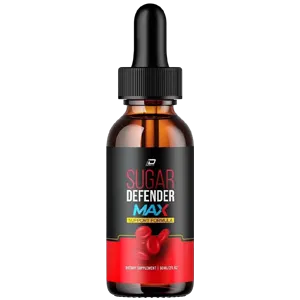
Sugar Defender
Product Type: Drop – Dietary Supplement
Primary Use: Healthy Blood Sugar
Overall Rating: 4.9/5
Price: $79.00
Key Benefits
- Supports healthy blood sugar levels already within the normal range
- Supports glucose metabolism
- Supports daily energy and vitality
- Supports healthy metabolism and weight management
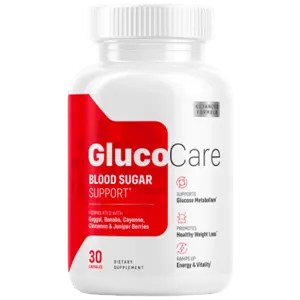
Gluco Care
Product Type: Dietary Supplement
Primary Use: Healthy Blood Sugar
Overall Rating: 4.8/5
Price: $69.00
Key Benefits
- Supports healthy blood sugar levels already within the normal range
- Supports glucose metabolism and nutrient utilization
- Supports healthy energy levels and daily vitality
- Supports metabolic health and healthy weight management