
If you are searching for a NeuroBoost IQ Review, the most important question is whether this supplement can actually improve memory, focus, mental clarity, or other aspects of cognitive performance—or whether its marketing goes beyond what the evidence supports.
The product sold through the supplied Amazon listing is a 60-capsule dietary supplement marketed as a “Maximum Strength” brain-support formula. Third-party product records identify the manufacturer as Max-Bio and associate the Amazon ASIN B0CVR1K2T4 with a formula promoted around fish oil and Ginkgo biloba.
However, there is an important complication: publicly available sources do not consistently report the same NeuroBoost IQ formulation. One established product review identifies a formula containing vitamins A, B1, B2, B3, B5, B6 and E, magnesium oxide, choline bitartrate, N-acetylcysteine (NAC), L-tyrosine, blueberry extract, phosphatidylserine, and Huperzine A. Other marketplace listings for the supplied ASIN describe fish oil and Ginkgo biloba instead.
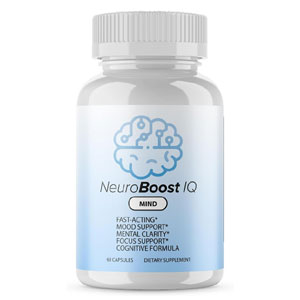 That inconsistency is significant. Without a current Supplement Facts label from the exact bottle being sold through the supplied Amazon listing, it is not responsible to assume that every ingredient reported online belongs to the same formulation.
Overall verdict: NeuroBoost IQ contains or has been associated with several ingredients that have been studied for cognition, but the evidence is not strong enough to conclude that the finished NeuroBoost IQ product reliably improves memory, IQ, focus, or cognitive performance. The lack of a verified product-specific clinical trial and uncertainty surrounding the exact formulation are the biggest weaknesses.
NeuroBoost IQ Review: Quick Verdict
| Review Factor | Assessment |
|---|---|
| Product type | Dietary supplement marketed for brain and cognitive support |
| Product size | 60 capsules |
| Manufacturer listed for supplied ASIN | Max-Bio |
| Primary marketing claims | Memory, focus, mental clarity, cognitive performance, and brain health |
| Formula transparency | Limited because public sources report different formulations |
| Product-specific clinical trial | No randomized controlled trial testing the complete NeuroBoost IQ formula was independently verified |
| Ingredient evidence | Mixed; some ingredients have promising research, while evidence for others is limited or inconsistent |
| Customer evidence | Limited and inconsistent; testimonials are not a substitute for clinical trials |
| Overall assessment | Use caution; promising individual ingredients do not establish that NeuroBoost IQ itself works. |
What Is NeuroBoost IQ?
NeuroBoost IQ is marketed as a brain-support or nootropic supplement intended to help people maintain or improve cognitive performance.
Descriptions associated with the product emphasize benefits such as:
- Memory support
- Improved focus and concentration
- Mental clarity
- Learning and cognitive processing
- Brain health
- Alertness and mental energy
The supplied Amazon listing identifies the product as a 60-capsule supplement and describes it as a maximum-strength brain formula. Marketplace records also associate the product with fish oil and Ginkgo biloba.
A separate detailed review of NeuroBoost IQ lists a substantially different ingredient panel containing vitamins, magnesium, choline, NAC, L-tyrosine, blueberry extract, phosphatidylserine, and Huperzine A.
Because of this discrepancy, the first thing a consumer should do is compare the physical bottle’s Supplement Facts panel with the online listing before purchasing or using the product.
How Is NeuroBoost IQ Supposed to Work?
The proposed mechanism depends on which formulation is actually being sold.
For the vitamin-and-nootropic formulation, ingredients such as choline, phosphatidylserine, L-tyrosine, NAC, and Huperzine A are intended to support different aspects of neurotransmitter function, antioxidant defenses, or neuronal signaling.
For the marketplace formulation associated with fish oil and Ginkgo biloba, the proposed rationale is different. Omega-3 fatty acids are important structural components of cell membranes, while Ginkgo biloba has been studied for its possible effects on cognition and circulation.
These mechanisms are biologically plausible, but biological plausibility does not establish that taking the finished supplement will make a healthy person smarter or significantly improve memory.
The evidence needs to be considered ingredient by ingredient—and then separately evaluated at the product level.
NeuroBoost IQ Ingredients and Scientific Evidence
Because the available sources are inconsistent, the following evidence discussion applies only to ingredients that have been publicly associated with NeuroBoost IQ. It should not be interpreted as confirmation that every ingredient is present in the exact Amazon product linked above.
Ginkgo Biloba
Ginkgo biloba is widely marketed as a natural cognitive enhancer.
However, the clinical evidence is much less impressive than the marketing surrounding the ingredient.
The National Center for Complementary and Integrative Health states that there is no conclusive evidence that Ginkgo biloba prevents or slows dementia or cognitive decline. A large randomized placebo-controlled trial involving more than 3,000 older adults found that a standardized Ginkgo product did not reduce the overall incidence of dementia or Alzheimer’s disease.
That does not mean Ginkgo has no biological effects. It means that consumers should not assume that an ingredient marketed for circulation automatically produces meaningful improvements in memory or intelligence.
More importantly, even if Ginkgo provides a modest cognitive effect in a particular population, that does not establish that the amount contained in NeuroBoost IQ is clinically effective.
Fish Oil and Omega-3 Fatty Acids
Fish oil is another ingredient associated with some NeuroBoost IQ marketplace listings.
Omega-3 fatty acids, particularly DHA, are important components of neuronal membranes and play roles in normal brain function.
However, evidence that taking fish-oil supplements improves cognition in healthy adults is not conclusive. The relationship between omega-3 intake and cognitive outcomes can also depend on age, baseline nutritional status, dietary intake, and whether the person already consumes adequate omega-3 fatty acids.
Therefore, fish oil may be nutritionally useful for some people, but it should not automatically be interpreted as a cognitive enhancer.
The exact EPA and DHA amounts are also important. A product simply stating “fish oil” does not tell consumers how much EPA or DHA they are receiving.
Huperzine A
Huperzine A is one of the more pharmacologically active ingredients reported in some NeuroBoost IQ formulations. It is derived from Huperzia serrata and inhibits acetylcholinesterase, an enzyme involved in the breakdown of acetylcholine.
Researchers have investigated Huperzine A in people with Alzheimer’s disease and other cognitive disorders.
A systematic review and meta-analysis of 20 randomized trials involving 1,823 participants found potential improvements in several cognitive measures. However, the authors emphasized that most studies had a high risk of bias and concluded that the results should be interpreted cautiously.
A later overview of systematic reviews reached a similarly cautious conclusion, stating that evidence was insufficient to support Huperzine A confidently because of substantial heterogeneity and low-quality primary research.
This is particularly important for a supplement marketed to healthy adults.
Evidence involving people with Alzheimer’s disease cannot simply be transferred to a healthy person who wants better concentration or a higher IQ.
Phosphatidylserine
Phosphatidylserine is a phospholipid naturally found in cell membranes and is often marketed for memory and cognitive support.
The research is mixed.
A recent systematic review of controlled trials involving phosphatidylserine-containing interventions found heterogeneous results, with some studies reporting selective improvements but others finding no significant cognitive benefit. The authors concluded that the available evidence does not currently support phosphatidylserine-containing compounds as established cognitive enhancers in mental disorders.
Again, the dose matters. NeuroBoost IQ sources do not provide sufficiently reliable information to establish the amount of phosphatidylserine in the exact Amazon formulation.
N-Acetylcysteine (NAC)
NAC is a precursor to glutathione and has antioxidant and other biological properties.
A systematic review examining NAC and human cognition identified 12 relevant studies across Alzheimer’s disease, healthy participants, trauma, bipolar disorder, schizophrenia, and other conditions. The authors found the evidence promising but inconsistent and noted substantial differences in study design, dosing, populations, and accompanying treatments. They concluded that larger, targeted studies are needed.
Therefore, NAC is scientifically interesting but cannot currently be described as a proven cognitive enhancer.
L-Tyrosine
L-tyrosine is an amino acid used by the body to produce catecholamine neurotransmitters, including dopamine and norepinephrine.
Some research suggests that tyrosine may be more useful for maintaining certain aspects of cognitive performance during acute stress, sleep deprivation, or demanding conditions than for producing a general improvement in intelligence.
That distinction matters.
A supplement that potentially helps someone maintain performance under stress is not necessarily going to improve memory or IQ under ordinary circumstances.
Choline
Choline is an essential nutrient involved in cell membrane structure and the production of acetylcholine, a neurotransmitter involved in memory and other functions.
However, having an important physiological role does not mean that additional choline supplementation automatically improves cognition in people who already consume enough.
The amount and form of choline in NeuroBoost IQ also matter. Public sources identify choline bitartrate in one formulation but do not provide reliable dose information for the exact Amazon listing.
Vitamins and Magnesium
One reported NeuroBoost IQ formulation contains vitamin A, several B vitamins, vitamin E, and magnesium oxide.
These nutrients are essential for normal physiological function, including nervous-system function and energy metabolism.
But there is an important distinction between correcting a nutrient deficiency and taking additional nutrients above adequate intake.
If someone has a genuine deficiency, correcting it can improve health and potentially reverse deficiency-related cognitive symptoms. In a well-nourished person, however, there is much less evidence that simply taking extra vitamins will substantially improve memory or intelligence.
Does NeuroBoost IQ Really Improve Memory?
There is not enough evidence to say that NeuroBoost IQ reliably improves memory.
Some of its reported ingredients have been studied in relation to memory and cognition, but the studies do not establish the effectiveness of the finished product.
This distinction is especially important because the publicly available ingredient information is inconsistent.
A published review of NeuroBoost IQ explicitly notes that no clinical trials have been conducted on the product itself.
That means there is no strong product-level evidence showing that taking NeuroBoost IQ for a particular period produces measurable improvements in validated memory tests compared with placebo.
Anecdotal reports cannot fill that evidence gap.
Can NeuroBoost IQ Increase IQ?
There is no credible evidence that NeuroBoost IQ can increase a person’s intelligence quotient.
IQ is a standardized measure derived from validated cognitive testing. Improving someone’s performance on a particular task or helping them feel more alert is not equivalent to permanently increasing general intelligence.
Claims that a supplement can “boost IQ” should therefore be treated skeptically unless supported by high-quality randomized research using validated cognitive outcomes.
I could not identify such a clinical trial for NeuroBoost IQ.
Can NeuroBoost IQ Improve Focus and Mental Clarity?
The answer is less clear.
Certain nutrients and ingredients may influence attention or cognitive performance under particular circumstances. For example, L-tyrosine has been studied in situations involving cognitive stress, while other ingredients have been studied in older adults or people with cognitive impairment.
But there is insufficient evidence to establish that NeuroBoost IQ produces a meaningful improvement in everyday focus in healthy adults.
The product’s marketing language should therefore be interpreted as a proposed benefit rather than a clinically demonstrated outcome.
NeuroBoost IQ Safety and Side Effects
Safety depends heavily on the exact formulation.
The biggest problem is that public listings associate the NeuroBoost IQ name with more than one ingredient profile. One source lists Huperzine A, phosphatidylserine, NAC, vitamins, and other ingredients, while the Amazon-associated product record emphasizes fish oil and Ginkgo biloba.
Potential concerns include:
- Ginkgo biloba: Ginkgo may increase bleeding risk, particularly when combined with anticoagulant or antiplatelet medications.
- Huperzine A: Because it affects acetylcholinesterase, it can have pharmacological effects and should not be treated as an inert vitamin.
- Fish oil: Fish-oil supplements can cause gastrointestinal symptoms and may require consideration when used with medications affecting bleeding.
- Vitamin A: Excessive preformed vitamin A can be harmful, so the dose matters.
- Vitamin E: High supplemental doses can have adverse effects and may interact with anticoagulant therapy.
- Magnesium oxide: Magnesium supplements can cause diarrhea or gastrointestinal discomfort, particularly at higher supplemental intakes.
- Multiple supplements: Combining NeuroBoost IQ with another multivitamin or nootropic can unintentionally duplicate ingredients.
Pregnant or breastfeeding individuals, children, people taking prescription medications, and people with significant medical conditions should speak with a healthcare professional before using a multi-ingredient cognitive supplement.
NeuroBoost IQ Reviews and Customer Feedback
Customer feedback should be interpreted cautiously because the online evidence is limited and sometimes appears to involve different products using similar names.
A Consumer Health Digest review published two customer reviews and gave the product a 1.5/5 customer rating. One reviewer reported no noticeable difference after one month and complained about difficulty contacting the seller for a refund. Another reported no change in memory or cognitive function after 30 days.
These reports are anecdotal and do not prove that NeuroBoost IQ is ineffective.
At the same time, other websites publish highly positive testimonials describing dramatic improvements in focus, memory, and mental clarity. Such testimonials also cannot establish efficacy because they lack placebo controls, standardized testing, and independent verification.
The appropriate conclusion is therefore that customer testimonials are insufficient evidence either for or against the product’s effectiveness.
Formula Transparency Is a Major Concern
This is arguably the most important issue uncovered during this review.
The supplied Amazon ASIN B0CVR1K2T4 is associated with a 60-capsule NeuroBoost IQ product manufactured by Max-Bio and described in marketplace records as containing fish oil and Ginkgo biloba.
However, another established NeuroBoost IQ review identifies a completely different formula containing vitamins, magnesium oxide, choline bitartrate, NAC, L-tyrosine, blueberry extract, phosphatidylserine, and Huperzine A.
Those are substantial differences.
A consumer should therefore not rely on ingredient lists copied from unrelated NeuroBoost IQ websites or older reviews. The physical bottle’s Supplement Facts panel should be treated as the authoritative source for the product being purchased.
This also means that any review claiming to evaluate the precise clinical doses of every NeuroBoost IQ ingredient without verifying the current label would be overstating the available evidence.
Pros and Cons of NeuroBoost IQ
| Pros | Cons |
|---|---|
| Marketed specifically for cognitive and brain support | No verified randomized controlled trial of the complete product |
| Some associated ingredients have been studied in humans | Public sources report inconsistent formulations |
| 60-capsule format is convenient | Exact active-ingredient doses are difficult to independently verify |
| Includes ingredients with plausible biological mechanisms | Ingredient-level evidence does not establish product-level effectiveness |
| Available through major online marketplaces | Customer feedback is limited and inconsistent |
| Could be appealing to consumers seeking a multi-ingredient nootropic | Claims about IQ, memory, and cognitive enhancement are stronger than the clinical evidence |
Who Might Consider NeuroBoost IQ?
An adult who is simply interested in trying a cognitive-support supplement might consider NeuroBoost IQ, but only after verifying the exact current label and understanding the limitations of the evidence.
Before purchasing, check:
- The complete Supplement Facts panel
- The amount of each active ingredient
- The manufacturer and distributor information
- The recommended daily serving
- Expiration and lot information
- Any third-party testing or quality documentation
- Amazon’s current seller and return terms
If the goal is treating actual memory loss, confusion, significant concentration problems, or cognitive decline, a supplement should not replace medical evaluation.
Who Should Use Caution?
Extra caution is appropriate for people who:
- Take blood thinners or antiplatelet medications.
- Take medications that affect acetylcholine or the nervous system.
- Are pregnant or breastfeeding.
- Have a diagnosed neurological or psychiatric condition.
- Take several supplements simultaneously.
- Have unexplained or rapidly worsening memory problems.
- Are considering the product as a treatment for dementia or another cognitive disorder.
New or worsening memory problems deserve medical attention because they can have many potentially treatable causes, including medication effects, sleep disorders, nutritional deficiencies, depression, thyroid disorders, and neurological conditions.
NeuroBoost IQ Price and Value
The available sources do not provide a sufficiently reliable current Amazon price for the exact ASIN to make a stable price claim. Older product information has listed the 60-capsule product at approximately $50, but prices and sellers can change.
For that reason, price should be checked directly on the supplied Amazon listing before purchase.
More importantly, value should not be judged solely by capsule count.
A nootropic is only good value if its ingredients, doses, quality, and expected benefits can be reasonably established. With NeuroBoost IQ, the uncertainty around the exact formulation makes that assessment more difficult.
Frequently Asked Questions
What is NeuroBoost IQ?
NeuroBoost IQ is a dietary supplement marketed for brain health, memory, focus, mental clarity, and cognitive performance. The supplied Amazon listing identifies a 60-capsule product associated with Max-Bio.
Does NeuroBoost IQ really work?
There is insufficient evidence to conclude that NeuroBoost IQ reliably improves memory, focus, IQ, or overall cognitive performance. Some ingredients associated with the product have been studied, but there is no verified clinical trial establishing the effectiveness of the complete formula.
Can NeuroBoost IQ improve memory?
It may have ingredients with theoretical or preliminary cognitive benefits, but there is no strong product-specific evidence showing that NeuroBoost IQ improves memory compared with placebo.
Can NeuroBoost IQ increase IQ?
There is no credible clinical evidence showing that NeuroBoost IQ permanently increases IQ. Claims of increasing intelligence should therefore be treated cautiously.
What ingredients are in NeuroBoost IQ?
This is difficult to answer definitively because public sources report different formulations. The Amazon-associated product record describes fish oil and Ginkgo biloba, while another NeuroBoost IQ review lists vitamins, magnesium, choline, NAC, L-tyrosine, blueberry extract, phosphatidylserine, and Huperzine A.
Is Ginkgo biloba proven to improve memory?
No. NCCIH states that there is no conclusive evidence that Ginkgo biloba prevents or slows dementia or cognitive decline.
Is Huperzine A effective for cognitive function?
Huperzine A has shown potentially beneficial effects in some studies of Alzheimer’s disease, but systematic reviews have emphasized methodological weaknesses and insufficient high-quality evidence. It should not be assumed to improve cognition in healthy adults.
Is NeuroBoost IQ safe?
Safety depends on the exact formulation and dose. Because public sources report different ingredient profiles, consumers should verify the current Supplement Facts label and check for medication interactions before use.
Is NeuroBoost IQ FDA approved?
NeuroBoost IQ is marketed as a dietary supplement, not an FDA-approved medication. Dietary supplements are not approved by the FDA for effectiveness before marketing in the same manner as prescription drugs.
Should you take NeuroBoost IQ for memory loss?
Persistent or worsening memory loss should be medically evaluated rather than self-treated with a nootropic supplement. A supplement may be inappropriate if the underlying cause is a medication effect, nutritional deficiency, sleep disorder, depression, or neurological condition.
Final Verdict: Is NeuroBoost IQ Worth Buying?
The evidence behind NeuroBoost IQ is not strong enough to support the product’s broad cognitive-enhancement claims.
There are legitimate scientific reasons to investigate several of the ingredients associated with NeuroBoost IQ. Huperzine A has been studied in cognitive impairment, NAC has antioxidant and neurobiological properties, phosphatidylserine has been investigated for cognition, and Ginkgo biloba has an extensive research history.
But the critical issue is that research on individual ingredients is not evidence that the NeuroBoost IQ product itself works.
The absence of a verified randomized controlled trial of the complete formulation is a major weakness. More concerning is the inconsistency in publicly available product information: the Amazon-associated ASIN is described as a fish-oil-and-Ginkgo product, while other NeuroBoost IQ sources identify a substantially different vitamin-and-nootropic formula.
That makes it difficult to determine which scientific evidence actually applies to the bottle being sold.
The product also should not be treated as a treatment for dementia, Alzheimer’s disease, ADHD, or other neurological conditions. Even Huperzine A—which has some promising research—has insufficient high-quality evidence for broad clinical use, and the existing studies have important methodological limitations.
Bottom line: NeuroBoost IQ may be appealing to consumers looking for a multi-ingredient brain supplement, but the current evidence does not justify expecting a meaningful increase in IQ, memory, or general intelligence. If you are considering it, verify the exact Supplement Facts label on the Amazon product, evaluate the individual ingredients and doses, and discuss potential interactions with a healthcare professional if you take medication or have an underlying health condition.
Our Top Memory, Focus & Cognitive Products
We evaluated these products based on key factors relevant to their intended use. Our editorial ratings consider ingredient transparency, available scientific evidence, formulation quality, safety considerations, value, and other product-specific factors.
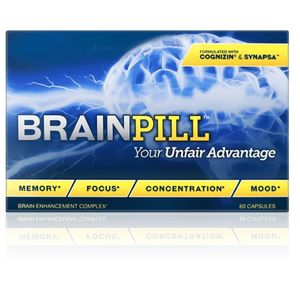
Brainpill
Product Type: Dietary Supplement
Primary Use: Memory, Focus & Cognitive Performance Support
Overall Rating: 4.9/5
Price: $69.95
Key Benefits
- Supports memory and recall
- Supports focus and concentration
- Supports mental performance under pressure
- Supports cognitive energy and productivity
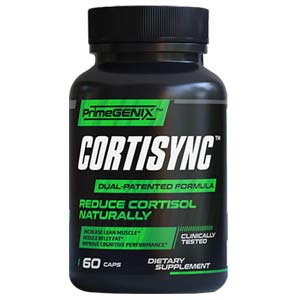
PrimeGENIX CortiSync
Product Type: Male Performance Spray
Primary Use: Cortisol, Stress & Adrenal Support
Overall Rating: 4.8/5
Price: $59.00
Key Benefits
- Supports healthy cortisol levels
- Supports stress management and resilience
- Supports energy and physical performance
- Supports focus and cognitive function
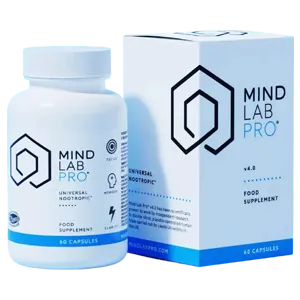
Mind Lab Pro
Product Type: Oil
Primary Use: Cognitive Performance Support
Overall Rating: 4.8/5
Price: $69.00
Key Benefits
- Supports focus and concentration
- Supports memory and recall
- Supports mental clarity and cognitive performance
- Supports mood, motivation and mental energy