
Introduction
Maintaining healthy blood sugar levels is an important part of metabolic health, particularly for adults managing prediabetes or type 2 diabetes. Alongside nutrition, exercise, and prescribed treatment, some people explore dietary supplements for additional support.
Sugar Control is marketed as a natural supplement designed to support glucose balance, insulin function, and everyday energy. Its advertised formula features berberine, alpha-lipoic acid, cinnamon bark extract, and resveratrol.
These ingredients have attracted scientific interest, but research results vary. More importantly, evidence for individual ingredients does not automatically establish that a finished supplement works.
In this Sugar Control review, I examine the manufacturer’s claims, available research, ingredient transparency, potential benefits, safety, customer testimonials, and pricing.
Sugar Control Quick Summary Box
| Feature | Details |
|---|---|
| Product Name | Sugar Control |
| Product Type | Blood sugar support dietary supplement |
| Primary Purpose | Support healthy glucose metabolism |
| Advertised Ingredients | Berberine, alpha-lipoic acid, cinnamon bark extract, resveratrol |
| Ingredient Dosages | Not independently verified |
| Clinical Evidence | Ingredient-level research; no verified finished-product clinical trial |
| Starting Package | 2 bottles for $158 |
| Refund Policy | 60-day guarantee advertised |
| FDA Approval | Not FDA-approved |
What Is Sugar Control?
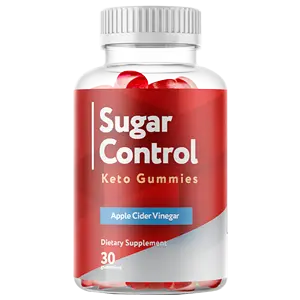 Sugar Control is a dietary supplement promoted for adults interested in maintaining healthy blood glucose levels and supporting metabolic wellness.
The manufacturer describes it as a natural formula intended to improve insulin function, reduce glucose fluctuations, and support daily energy.
Its official sales page identifies four principal ingredients. However, the FAQ section describes a five-nutrient formula and separately mentions Gymnema sylvestre and green tea.
This inconsistency matters because consumers need an accurate, complete ingredient list to evaluate both safety and effectiveness.
The website also alternates between references to bottles and gummies. Without a verified product label, I cannot confidently establish the precise dosage form or recommended serving.
Sugar Control should not be confused with prescription diabetes medication. It has not been established as a treatment for type 2 diabetes or a substitute for professional medical care.
How Does Sugar Control Work?
Sugar Control’s proposed mechanism involves several pathways associated with glucose metabolism.
1. Supporting Glucose Regulation
Berberine has been investigated for its potential effects on fasting blood glucose, insulin resistance, and HbA1c.
Some randomized trials have reported improvements in these markers. However, the quality and consistency of evidence vary.
2. Supporting Cellular Metabolism
Alpha-lipoic acid is involved in mitochondrial energy metabolism and antioxidant processes.
It has also been studied for diabetic neuropathy, although evidence for improving blood glucose itself remains inconsistent.
3. Providing Botanical Compounds
Cinnamon contains compounds investigated for their effects on glucose metabolism. Resveratrol is a plant polyphenol studied for potential cardiometabolic effects.
Neither ingredient has been established as a reliable standalone treatment for diabetes.
4. Complementing Healthy Habits
The manufacturer suggests that combining these ingredients supports overall metabolic balance.
However, no verified clinical trial demonstrates that the complete Sugar Control formula produces the advertised outcomes.
Sugar Control Key Ingredients
The following ingredients appear in the main ingredient section of the official website. Exact quantities and extract standardizations were not independently verified.
1. Berberine Extract
Berberine is a plant-derived compound found in several species, including barberry and goldenseal.
Researchers have studied berberine for its possible effects on glucose metabolism and insulin resistance.
A systematic review and meta-analysis of 50 randomized controlled trials involving 4,150 participants reported improvements in several glucose-related markers.
Another 2023 meta-analysis reported reductions in fasting glucose and HbA1c across included trials.
However, study quality, treatment duration, participant characteristics, and dosing varied.
Editorial Analysis: Berberine has the strongest glucose-related research among Sugar Control’s advertised ingredients. Nevertheless, the product’s undisclosed berberine amount prevents a meaningful comparison with studied doses.
2. Alpha-Lipoic Acid
Alpha-lipoic acid is an antioxidant compound involved in normal cellular energy metabolism.
It has been investigated for blood glucose management and symptoms associated with diabetic neuropathy.
A 2022 systematic review and dose-response meta-analysis of 16 randomized trials reported modest improvements in some metabolic markers.
However, the NIH National Center for Complementary and Integrative Health notes that other analyses found no significant benefit for blood glucose control.
Editorial Analysis: Alpha-lipoic acid may have specific clinical applications, but its effects on glucose control are inconsistent. Without knowing Sugar Control’s dose, its contribution remains uncertain.
3. Cinnamon Bark Extract
Cinnamon contains naturally occurring polyphenols and other compounds that have been investigated for their possible effects on insulin-related pathways.
According to the NCCIH evidence review, a 2019 analysis of 16 studies reported improvements in fasting blood glucose and insulin resistance among some participants with prediabetes or type 2 diabetes.
However, the research is inconsistent, and different cinnamon species and preparations may produce different results.
Editorial Analysis: Cinnamon has preliminary evidence for modest glucose-related effects, but it should not be considered a replacement for established diabetes treatment.
4. Resveratrol
Resveratrol is a naturally occurring polyphenol found in grapes and certain other plants.
Researchers have examined its possible effects on oxidative stress, inflammation, insulin resistance, and cardiovascular health.
A 2021 umbrella review of randomized-trial meta-analyses evaluated resveratrol supplementation in people with type 2 diabetes, metabolic syndrome, and fatty liver disease.
The researchers found potential improvements in some metabolic markers. However, they concluded that the overall evidence did not support routine resveratrol supplementation for managing cardiometabolic risk factors.
Editorial Analysis: Resveratrol remains scientifically interesting, but the current evidence is insufficient to establish that it reliably improves blood sugar management.
Important Ingredient Disclosure Concern
The website’s FAQ additionally mentions Gymnema sylvestre and green tea, although these do not appear in the main four-ingredient presentation.
I could not confirm whether these ingredients are actually included in the product.
Until the manufacturer supplies a complete Supplement Facts label, I would not assume that they are present or assign them specific health benefits.
Sugar Control Benefits
Based on the advertised ingredients and available research, Sugar Control may offer the following potential areas of support:
- Supports Glucose Metabolism: Contains berberine, which has been investigated for effects on blood glucose markers.
- Promotes Metabolic Wellness: Combines compounds studied for insulin-related and antioxidant processes.
- Provides Antioxidant Compounds: Includes alpha-lipoic acid, cinnamon, and resveratrol.
- Complements Healthy Habits: May be considered alongside appropriate nutrition and physical activity, subject to medical guidance.
- Supports Nutritional Awareness: Encourages attention to metabolic health, although supplement use does not replace glucose monitoring.
Important: These are ingredient-related possibilities, not clinically demonstrated benefits of Sugar Control itself. The product has not been shown to normalize HbA1c, prevent diabetes complications, or eliminate the need for medication.
Sugar Control Pros & Cons
| Pros | Cons |
|---|---|
| Features berberine, an ingredient with human glucose-related research | Complete Supplement Facts panel not verified |
| Includes multiple botanical and antioxidant compounds | Ingredient descriptions conflict across the website |
| Offers multiple purchasing packages | No verified clinical trial of the finished product |
| Advertises a 60-day refund policy | Marketing includes unsupported FDA-approval claims |
| Lists prices in US dollars | Package quantities, totals, and supply durations are inconsistent |
| Provides an official ordering page | Some testimonials imply outcomes not established by clinical evidence |
Sugar Control vs. Alternatives
Different supplements approach glucose-related wellness through different ingredients.
| Option | Main Focus | Potential Advantage | Limitation |
|---|---|---|---|
| Sugar Control | Berberine, alpha-lipoic acid, cinnamon, resveratrol | Combines several researched compounds | Unverified dosages and inconsistent ingredient disclosures |
| Standalone Berberine | Glucose-related metabolic markers | Single-ingredient products may provide clearer dosage information | Medication interactions and uncertain long-term outcomes |
| Standalone Cinnamon Extract | Glucose metabolism | Some preliminary human evidence | Results vary by cinnamon type and formulation |
| Standalone Alpha-Lipoic Acid | Antioxidant pathways and neuropathy research | Research involving certain neuropathy symptoms | Inconsistent evidence for glucose control |
My Comparison: A supplement with a complete, independently tested ingredient label is easier to evaluate than a multi-ingredient product with undisclosed quantities. None of these supplements should replace prescribed diabetes treatment.
Sugar Control Customer Reviews
The official website publishes several testimonials describing improved glucose readings, increased energy, fewer cravings, and better overall well-being.
Some testimonials make particularly strong claims, including substantial improvements in blood glucose and reduced reliance on medication.
However, I could not independently verify these customers’ purchase histories, medical measurements, or reported outcomes.
The website also does not provide a transparent review methodology or a representative dataset establishing typical results.
This creates two important limitations:
- Verification: Published testimonials cannot independently confirm that Sugar Control caused the reported changes.
- Representativeness: Selected positive stories do not establish how the product performs across all customers.
Editorial Assessment: The testimonials are marketing material, not reliable clinical evidence. Claims involving improved HbA1c, neuropathy symptoms, or medication reduction require substantially stronger substantiation.
Who Should Use or Avoid Sugar Control?
Who Might Consider It?
Sugar Control may interest adults researching dietary supplements for general metabolic wellness.
However, anyone with prediabetes or diabetes should discuss its ingredients with a qualified healthcare professional before use, particularly because the complete formula has not been verified.
Who Should Avoid It or Seek Medical Advice?
- People taking diabetes medication: Combining supplements with glucose-lowering treatments may increase the risk of low blood sugar.
- Pregnant or breastfeeding individuals: Berberine should not be used during pregnancy or breastfeeding.
- People with liver disease: Some cinnamon preparations contain coumarin, which may pose additional risks.
- People with kidney conditions: Supplement use requires particular caution because kidney disease is a common diabetes complication.
- People taking multiple medications: Berberine may interact with certain prescription drugs.
- Children and adolescents: The product’s safety and suitability have not been established.
Sugar Control Side Effects & Safety
Although the manufacturer describes Sugar Control as natural, natural ingredients are not automatically free from adverse effects.
Potential ingredient-related concerns include:
- Digestive symptoms: Berberine may cause nausea, constipation, diarrhea, or bloating.
- Low blood sugar: Combining glucose-related supplements with prescribed diabetes medication may complicate glucose management.
- Headaches or nausea: Alpha-lipoic acid can cause gastrointestinal discomfort and headaches in some individuals.
- Liver concerns: Cassia cinnamon contains coumarin, which may be problematic in substantial amounts, especially for people with liver disease.
- Medication interactions: Berberine and other botanical compounds may affect medication safety or effectiveness.
The official website makes an FDA-approval claim in its FAQ. However, the FDA explicitly states that it does not approve dietary supplements for safety and effectiveness before marketing.
The website also claims that the product has no known contraindications, which is not consistent with established cautions surrounding ingredients such as berberine.
My Safety Assessment: I would not recommend starting Sugar Control without first verifying its complete ingredient label, particularly for anyone managing diabetes with medication. Prescription treatment should never be stopped or adjusted based on supplement advertising.
Sugar Control Pricing & Packages
The official website currently displays three package options. However, its advertised per-bottle prices do not consistently match the stated package totals.
| Package | Advertised Price Per Bottle | Displayed Total | Shipping |
|---|---|---|---|
| 2 Bottles | $79 | $158 | Additional shipping |
| 4 Bottles | $44 | $207 | Free US shipping advertised |
| 8 Bottles | $29 | $294 | Free US shipping advertised |
The 2-bottle offer is mathematically consistent. However, four bottles at $44 each would total $176 rather than $207, while eight bottles at $29 each would total $232 rather than $294.
The website also displays conflicting supply durations for some packages.
These discrepancies should be resolved before placing an order.
Money-Back Guarantee
The manufacturer advertises a 60-day satisfaction guarantee measured from the purchase date.
The sales page refers to using the product for at least 30 days before requesting a refund. However, I could not independently verify a complete refund policy detailing return shipping, opened-bottle eligibility, and other conditions.
The page also contains a promotional section mentioning a different product, Flash Burn, and a 180-day guarantee. That language should not be assumed to apply to Sugar Control.
Purchasing Advice: Confirm the actual checkout total, bottle count, serving quantity, refund conditions, and seller contact information before purchasing.
10 Frequently Asked Questions About Sugar Control
1. Does Sugar Control really work for blood sugar management?
There is insufficient verified evidence to establish that the finished Sugar Control supplement reliably improves blood sugar levels. Some advertised ingredients have been studied individually, but the product’s dosages and clinical effectiveness remain unverified.
2. What are the main ingredients in Sugar Control?
The main ingredient section lists berberine, alpha-lipoic acid, cinnamon bark extract, and resveratrol. The FAQ also mentions Gymnema sylvestre and green tea, creating uncertainty about the complete formula.
3. Can Sugar Control lower HbA1c?
There is no verified clinical evidence that Sugar Control itself lowers HbA1c. Berberine has shown improvements in some clinical studies, but those findings cannot be applied directly to a product with undisclosed dosages.
4. Is Sugar Control a treatment for type 2 diabetes?
No. Sugar Control is marketed as a dietary supplement and has not been established as an approved treatment for type 2 diabetes. It should not replace prescribed medication, glucose monitoring, or medical care.
5. How long does Sugar Control take to work?
There is no clinically established timeline for Sugar Control. The manufacturer suggests that some users notice changes within weeks, but these claims are not supported by verified finished-product clinical trials.
6. Can Sugar Control replace diabetes medication?
No. Dietary supplements should not replace prescribed diabetes medication. Stopping or reducing medication without medical supervision can cause dangerous changes in blood glucose.
7. Does Sugar Control help with sugar cravings?
The manufacturer promotes craving reduction, but there is no verified product-specific clinical evidence showing that Sugar Control consistently reduces cravings or appetite.
8. Is Sugar Control FDA-approved?
No. Dietary supplements are not approved by the FDA for safety and effectiveness before marketing. The FDA-approval language appearing on the product website should not be interpreted as evidence of regulatory approval.
9. What are the possible side effects of Sugar Control?
Potential ingredient-related effects include nausea, diarrhea, constipation, headaches, and medication interactions. People taking glucose-lowering medication should seek professional guidance before using the supplement.
10. Where can Sugar Control be purchased?
Sugar Control is marketed through its official website. The site advertises 2-, 4-, and 8-bottle packages, but some displayed prices and supply durations are inconsistent and should be confirmed at checkout.
Final Verdict: Is Sugar Control Worth Considering?
Sugar Control combines several ingredients associated with metabolic-health research. Berberine has the most encouraging evidence for glucose-related outcomes, while cinnamon, alpha-lipoic acid, and resveratrol have produced mixed findings.
However, the finished product has significant transparency problems.
The official website does not provide a verified complete Supplement Facts panel, and its ingredient descriptions are inconsistent. Its FAQ also contains an FDA-approval claim that conflicts with established dietary supplement regulations.
I am particularly concerned about the strong diabetes-related marketing promises. Claims about dramatic HbA1c improvements, avoiding medication, and controlling glucose after consuming large amounts of sugar are not substantiated by the evidence reviewed.
The inconsistent package prices and conflicting supply durations create additional reasons for caution.
Our Top Blood Sugar Supplements
We evaluated these products based on key factors relevant to their intended use. Our editorial ratings consider ingredient transparency, available scientific evidence, formulation quality, safety considerations, value, and other product-specific factors.
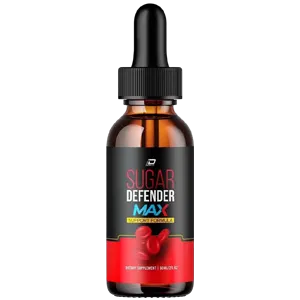
Sugar Defender
Product Type: Drop – Dietary Supplement
Primary Use: Healthy Blood Sugar
Overall Rating: 4.9/5
Price: $79.00
Key Benefits
- Supports healthy blood sugar levels already within the normal range
- Supports glucose metabolism
- Supports daily energy and vitality
- Supports healthy metabolism and weight management
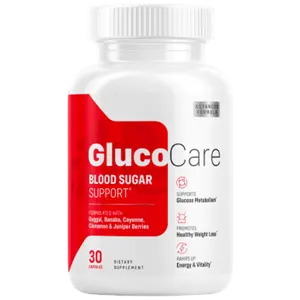
Gluco Care
Product Type: Dietary Supplement
Primary Use: Healthy Blood Sugar
Overall Rating: 4.8/5
Price: $69.00
Key Benefits
- Supports healthy blood sugar levels already within the normal range
- Supports glucose metabolism and nutrient utilization
- Supports healthy energy levels and daily vitality
- Supports metabolic health and healthy weight management