
Introduction
Maintaining healthy blood sugar, blood pressure, and cholesterol levels is an important part of long-term metabolic health. Nutrition, regular physical activity, sleep, and appropriate medical care all contribute to these goals. Some adults also consider dietary supplements for additional nutritional support.
Metaglucent is a once-daily capsule marketed for metabolic wellness. Its formula combines vitamins and minerals with a proprietary botanical blend containing berberine, Gymnema sylvestre, cinnamon, bitter melon, banaba, and several other plant extracts.
The product’s broader positioning is interesting because it targets three connected areas: glucose metabolism, cardiovascular wellness, and everyday energy. However, the amount of each botanical is not disclosed individually, making it difficult to compare the formula with clinical research.
In this Metaglucent review, I examine its Supplement Facts, ingredient evidence, potential benefits, customer feedback, pricing, and safety. I also distinguish the manufacturer’s wellness claims from established scientific findings.
Metaglucent Quick Summary Box
| Feature | Details |
|---|---|
| Product Name | Metaglucent |
| Product Type | Metabolic wellness dietary supplement |
| Primary Purpose | Support healthy blood sugar, blood pressure already within normal range, and cholesterol |
| Form | Vegetable capsule |
| Serving Size | 1 capsule daily |
| Capsules Per Bottle | 30 |
| Supply | 30 days |
| Quantified Nutrients | Vitamin C 90 mg, vitamin D 25 mcg, magnesium 20 mg, chromium 100 mcg |
| Proprietary Botanical Blend | 528 mg containing 13 ingredients |
| Individual Botanical Dosages | Not disclosed |
| Manufacturing Claim | Made in the USA in a GMP-compliant facility, according to the brand |
| Money-Back Guarantee | 60 days advertised |
| Starting Package | 2 bottles for $158 |
What Is Metaglucent?
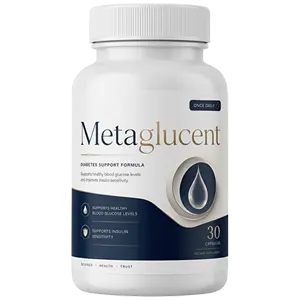 Metaglucent is a dietary supplement designed to support everyday metabolic wellness. The manufacturer promotes it for maintaining healthy blood sugar, blood pressure already within a normal range, and cholesterol levels as part of a balanced lifestyle.
Unlike supplements that focus on a single nutrient, Metaglucent combines four quantified vitamins and minerals with a 13-ingredient botanical blend.
The four nutrients listed on the Supplement Facts panel are:
- Vitamin C: 90 mg
- Vitamin D3: 25 mcg
- Magnesium: 20 mg
- Chromium: 100 mcg
The remaining 13 ingredients share a total proprietary-blend weight of 528 mg.
The product is intended for adults and comes in a vegetable capsule. The suggested serving is one capsule daily with a meal and a full glass of water.
An important distinction is that Metaglucent is not a diabetes, hypertension, or cholesterol medication. Its website also states that it is not intended to diagnose, treat, cure, or prevent disease.
How Does Metaglucent Work?
Metaglucent uses a multi-ingredient approach intended to support three connected aspects of metabolic wellness.
1. Supports Normal Glucose Metabolism
The formula includes berberine, Gymnema sylvestre, cinnamon, bitter melon, banaba, and chromium.
Researchers have investigated these ingredients for their potential effects on glucose metabolism, insulin-related pathways, and post-meal glucose response.
However, research results vary, and the product’s undisclosed botanical dosages make it difficult to determine whether its formula provides meaningful quantities.
2. Supports Cardiovascular Wellness
Olive leaf, pine bark, cocoa extract, and other botanicals are included for their traditional or researched associations with vascular function and cardiovascular markers.
These ingredients contain plant compounds such as polyphenols and flavanols. Some human studies have examined their effects on blood pressure and vascular function.
Metaglucent is marketed for supporting blood pressure already within a normal range, not treating diagnosed hypertension.
3. Supports Everyday Nutritional Needs
Vitamin C, vitamin D, magnesium, and chromium contribute to normal physiological processes.
Vitamin C supports normal immune function, vitamin D contributes to muscle and bone health, and magnesium participates in energy metabolism. Chromium has been studied in relation to glucose metabolism, although its clinical benefits remain uncertain.
My Assessment: The formula combines ingredients with different biological roles, but a multi-ingredient approach does not automatically produce better results. The undisclosed botanical quantities are a major limitation.
Metaglucent Key Ingredients
The Supplement Facts information identifies four nutrients with individual amounts and a 528 mg proprietary blend containing 13 botanical ingredients. The individual quantities of those botanicals are not provided.
1. Berberine HCl
Berberine is a plant-derived compound found in several species, including barberry and goldenseal. It has received considerable research attention for its potential effects on glucose metabolism, insulin resistance, and lipid markers.
A 2021 review of 46 studies involving 4,158 participants found that berberine may improve certain glucose-related markers in people with type 2 diabetes. However, the studies varied in quality, formulation, and participant characteristics.
The National Center for Complementary and Integrative Health summarizes this evidence and highlights its limitations.
Editorial Analysis: Berberine is one of the more extensively researched ingredients in Metaglucent. However, the product does not disclose its berberine amount, so it is impossible to compare the formula with doses used in clinical studies.
2. Gymnema Sylvestre Leaf
Gymnema sylvestre is a plant traditionally used in Ayurvedic practices. Its leaves contain compounds called gymnemic acids, which have been studied for their possible effects on glucose metabolism and the perception of sweetness.
A systematic review and meta-analysis published in 2021 examined Gymnema supplementation and glycemic control. The findings suggested potential improvements in some glucose-related measurements, but the underlying studies varied in design and quality.
Research can be explored through PubMed’s Gymnema research collection.
Editorial Analysis: Gymnema is a relevant botanical for a blood-sugar-support formula, but the available evidence does not establish that Metaglucent produces the same effects.
3. Cinnamon Bark Extract
Cinnamon contains polyphenols and other plant compounds investigated for their possible effects on glucose metabolism and insulin sensitivity.
A 2019 review of 16 studies involving 1,098 participants reported improvements in fasting blood glucose and insulin resistance in some people with prediabetes or type 2 diabetes.
The NCCIH diabetes supplement guidance discusses these findings while emphasizing the limitations of the evidence.
Editorial Analysis: Cinnamon has preliminary human research, but different species, extract preparations, and doses can produce different results. Metaglucent identifies cassia cinnamon but does not disclose its amount or standardization.
4. Bitter Melon Fruit Extract
Bitter melon (Momordica charantia) is commonly used in traditional food and herbal preparations. Researchers have examined its possible effects on glucose metabolism.
However, its clinical evidence is mixed.
A 2024 systematic review and meta-analysis of 10 randomized trials involving 448 participants found no significant improvement in body weight, BMI, waist circumference, or body-fat percentage following bitter melon supplementation.
The study is available through ScienceDirect.
Editorial Analysis: Bitter melon has research interest in glucose regulation, but its inclusion does not establish a weight-loss benefit or prove that Metaglucent improves blood sugar.
5. Banaba Leaf Extract
Banaba (Lagerstroemia speciosa) is a plant traditionally used in Southeast Asian herbal preparations. Its leaves contain corosolic acid, which has been investigated for potential effects on glucose metabolism.
Some preliminary studies suggest that banaba extracts may influence glucose-related markers. However, human research remains limited, and standardized preparations are important when comparing results.
A useful starting point is PubMed’s banaba research collection.
Editorial Analysis: Banaba is a plausible addition to a glucose-support formula, but there is not enough product-specific evidence to determine its contribution to Metaglucent.
6. Chromium Picolinate – 100 mcg
Chromium is a trace mineral investigated for its possible role in carbohydrate and lipid metabolism.
Metaglucent provides 100 mcg of chromium as chromium picolinate, listed as 286% of the Daily Value on the product label.
The NIH Office of Dietary Supplements chromium fact sheet explains that studies have produced inconsistent findings. Some research suggests small improvements in glucose-related markers among people with diabetes, but the clinical importance remains uncertain.
Editorial Analysis: Chromium is one of the more clearly quantified ingredients in Metaglucent. However, the NIH does not consider the evidence sufficient to recommend chromium supplements routinely for diabetes management.
7. Olive Leaf Extract
Olive leaf contains polyphenols, including oleuropein, which have been studied for potential cardiovascular effects.
Some clinical research has examined olive leaf extracts in relation to blood pressure and metabolic markers.
A useful research starting point is PubMed’s olive leaf clinical research collection.
Editorial Analysis: Olive leaf has some human research supporting cardiovascular interest, but its individual amount and oleuropein standardization are not disclosed in Metaglucent.
8. Pine Bark Extract
Pine bark extract, identified as Pinus pinaster, contains proanthocyanidins and other polyphenols.
Researchers have investigated these compounds for their antioxidant and vascular effects.
However, findings from standardized pine bark preparations cannot automatically be applied to a proprietary blend with an undisclosed amount.
Editorial Analysis: Pine bark may complement the product’s cardiovascular positioning, but the available label does not provide enough information to evaluate its dose.
9. Turmeric Rhizome
Turmeric contains curcuminoids, including curcumin, which have been studied for antioxidant and inflammatory pathways.
The NCCIH turmeric information explains that research has explored several health applications, but many findings remain preliminary.
Editorial Analysis: Turmeric has a broad research background, but Metaglucent does not disclose its turmeric quantity or curcuminoid concentration.
10. Cocoa Bean Extract
Cocoa contains flavanols, plant compounds investigated for their effects on vascular function and blood pressure.
Some controlled human studies have found improvements in certain vascular markers after consuming flavanol-rich cocoa products.
However, the flavanol content of Metaglucent’s cocoa extract is not disclosed.
Editorial Analysis: Cocoa may contribute polyphenols to the formula, but its actual cardiovascular contribution cannot be determined from the available label.
11. Eleuthero Root Extract
Eleuthero (Eleutherococcus senticosus), sometimes called Siberian ginseng, is traditionally used as an adaptogenic herb.
It has been investigated for fatigue, stress-related outcomes, and physical performance, although the quality of evidence varies.
The NCCIH information on Siberian ginseng provides background on its traditional use and research limitations.
Editorial Analysis: Eleuthero may support the product’s general wellness positioning, but there is insufficient evidence to conclude that its inclusion improves metabolic health.
12. Guggul Resin Extract
Guggul is a resin obtained from Commiphora mukul and traditionally used in Ayurvedic medicine.
It has been studied for possible effects on cholesterol and lipid metabolism. However, clinical findings are inconsistent, and some research has raised concerns about adverse reactions and interactions.
Editorial Analysis: Guggul’s presence is relevant to Metaglucent’s cholesterol-support claims, but the evidence does not establish a reliable benefit from the undisclosed amount in this formula.
13. Juniper Berry and Butcher’s Broom
Juniper berry and butcher’s broom are traditional botanical ingredients associated with digestive and circulatory wellness.
Juniper has been used in traditional herbal preparations, while butcher’s broom has been studied more often for venous symptoms and vascular-related applications.
Neither ingredient has convincing evidence establishing that it improves blood glucose or cholesterol levels.
Editorial Analysis: These ingredients add to the botanical diversity of the formula, but their inclusion should not be interpreted as proof of metabolic benefits.
Additional Nutrients
Metaglucent also provides:
- Vitamin C – 90 mg: An antioxidant vitamin that supports normal immune function and collagen formation. See the NIH vitamin C fact sheet.
- Vitamin D3 – 25 mcg: Supports calcium absorption, bone health, and normal muscle function. See the NIH vitamin D fact sheet.
- Magnesium – 20 mg: Contributes to normal muscle and nerve function and energy metabolism. This amount provides only 5% of the Daily Value. See the NIH magnesium fact sheet.
Important Formula Limitation: All 13 botanicals share only 528 mg per capsule. Because the individual quantities are not disclosed, it is impossible to determine whether any one botanical reaches a dose comparable to the amounts used in human studies.
Metaglucent Benefits
Based on the disclosed nutrients and ingredient-level research, Metaglucent may offer the following potential areas of support:
- Supports Glucose Metabolism: Provides berberine, Gymnema, cinnamon, bitter melon, banaba, and chromium, ingredients investigated for glucose-related effects.
- Complements Cardiovascular Wellness: Includes olive leaf, pine bark, and cocoa extracts studied for aspects of vascular function.
- Promotes Nutritional Balance: Supplies vitamin C, vitamin D, magnesium, and chromium.
- Supports Normal Energy Metabolism: Provides magnesium and essential vitamins involved in normal cellular processes.
- Encourages Daily Consistency: Offers a one-capsule routine that can be incorporated into a regular wellness schedule.
- Combines Multiple Botanicals: Brings together 13 plant-derived ingredients in one proprietary blend.
These are potential ingredient-related benefits, not clinically established outcomes for the complete Metaglucent formula. The product should not be expected to treat diabetes, hypertension, or high cholesterol.
Metaglucent Pros & Cons
| Pros | Cons |
|---|---|
| Provides a complete list of 13 botanical blend ingredients | Individual botanical quantities are not disclosed |
| Includes berberine, Gymnema, cinnamon, and bitter melon | No verified clinical trial of the finished formula |
| Provides quantified vitamin C, vitamin D, magnesium, and chromium | Magnesium contributes only 5% of the Daily Value |
| Convenient once-daily capsule format | Some ingredients have limited or inconsistent human evidence |
| 60-day money-back guarantee advertised | Package pricing uses promotional savings claims that may be confusing |
| Manufacturing and ingredient information is available on the website | Potential interactions with diabetes and cardiovascular medication require attention |
Metaglucent vs. Alternatives
Metaglucent combines several ingredients in one capsule. Other options focus on a single compound or a more established approach to metabolic health.
| Option | Main Focus | Potential Advantage | Limitation |
|---|---|---|---|
| Metaglucent | Glucose, cardiovascular, and general metabolic wellness | Combines vitamins, minerals, and 13 botanicals | Undisclosed botanical quantities and no product-specific clinical trial |
| Standalone Berberine | Glucose and lipid metabolism research | Can provide a clearly quantified berberine dose | Medication interactions and variable evidence quality |
| Standalone Chromium | Glucose-related metabolism | Single-ingredient formula makes dosage easier to evaluate | Clinical benefits remain uncertain |
| Standalone Cinnamon | Glucose metabolism research | Simple botanical option | Evidence varies by species, preparation, and dose |
| Medical Nutrition Therapy | Evidence-based blood glucose and cardiovascular management | Personalized dietary approach supported by clinical guidance | Requires ongoing lifestyle planning and professional support |
My Comparison: Metaglucent offers convenience through its broad formula, but a single-ingredient supplement with a fully disclosed amount may be easier to evaluate. For people with diagnosed metabolic conditions, evidence-based medical care and individualized nutrition remain more dependable than relying on a supplement blend.
Metaglucent Customer Reviews
The official website includes customer testimonials and describes Metaglucent as a daily wellness product. Some of its marketing language suggests that customers may notice improvements in general well-being after consistent use.
However, I could not independently verify a sufficiently large collection of verified-purchase reviews or a representative customer satisfaction rating.
The testimonials do not provide enough independently verifiable information about:
- Customers’ medical history or starting glucose measurements.
- Whether reported changes were confirmed through laboratory testing.
- Other lifestyle or medication changes made during use.
- How many customers experienced no benefit or adverse effects.
Editorial Assessment: Testimonials can describe personal experiences, but they cannot establish that Metaglucent lowers blood glucose, improves cholesterol, or changes blood pressure. I would not assign a numerical customer rating without reliable independent review data.
Who Should Use or Avoid Metaglucent?
Who Might Consider It?
Metaglucent may interest adults who:
- Want a combined vitamin, mineral, and botanical supplement.
- Are interested in nutritional support for general metabolic wellness.
- Prefer a once-daily capsule rather than several separate supplements.
- Understand that dietary supplements cannot replace established medical care.
Who Should Avoid It or Seek Medical Advice?
- People taking diabetes medication: Berberine, chromium, and other glucose-related ingredients may interact with treatment or increase the risk of low blood sugar.
- People taking blood-pressure medication: Some botanical ingredients may influence blood pressure or interact with treatment.
- People taking cholesterol medication: Discuss potential interactions before combining supplements with prescribed treatment.
- Pregnant or breastfeeding individuals: Berberine should be avoided during pregnancy and breastfeeding.
- People with kidney or liver conditions: Seek professional guidance before using a multi-ingredient supplement.
- People with gallbladder or bile-duct conditions: Discuss turmeric and other botanical ingredients with a healthcare professional.
- Anyone under 18: The product is intended for adults.
Metaglucent Side Effects & Safety
Metaglucent contains several active botanical ingredients, so safety depends on individual health status, medication use, and tolerance.
Potential concerns include:
- Digestive discomfort: Berberine may cause nausea, diarrhea, constipation, or bloating.
- Low blood sugar: Combining glucose-related supplements with insulin or diabetes medication may increase the risk of hypoglycemia.
- Blood-pressure changes: Some botanical extracts may influence vascular function and could complicate blood-pressure management.
- Medication interactions: Berberine can interact with certain prescription drugs. Chromium may also affect glucose-lowering medication and levothyroxine absorption.
- Kidney or liver concerns: High supplemental chromium intake has been associated with isolated reports of kidney and liver problems.
- Individual botanical sensitivity: Turmeric, cinnamon, guggul, and other plant extracts may cause adverse reactions in susceptible individuals.
The NCCIH diabetes and dietary supplement guidance specifically warns that berberine may interact with medicines and should not be used during pregnancy or breastfeeding.
The NIH chromium fact sheet also discusses possible interactions with insulin, metformin, other diabetes medications, and levothyroxine.
FDA Status: Metaglucent is a dietary supplement, not an FDA-approved treatment for diabetes, hypertension, or high cholesterol. The FDA generally does not approve dietary supplements for safety and effectiveness before they are marketed. See the FDA dietary supplement guidance.
My Safety Assessment: I would not recommend starting Metaglucent without reviewing its complete label with a healthcare professional, particularly for anyone taking medication for blood sugar, blood pressure, or cholesterol. Prescribed medication should never be stopped or adjusted because of supplement advertising.
Metaglucent Pricing & Packages
The official website advertises three package options:
| Package | Price Per Bottle | Total Price | Shipping |
|---|---|---|---|
| 2 Bottles | $79 | $158 | Additional shipping |
| 3 Bottles | $69 | $207 | Free US shipping advertised |
| 6 Bottles | $49 | $294 | Free US shipping advertised |
Each bottle contains 30 capsules, providing a 30-day supply when taken as directed.
The sales page also displays higher reference prices of $179 per bottle and promotional savings claims. These reference prices should be treated as marketing comparisons rather than independently established market values.
60-Day Money-Back Guarantee
Metaglucent advertises a 60-day satisfaction guarantee. The company states that customers can contact its support team within 60 days of purchase to request a refund if the product is not suitable for their routine.
Before ordering, I recommend reviewing the complete refund terms, including:
- Whether opened bottles qualify for a refund.
- Whether return shipping is the customer’s responsibility.
- Whether the 60-day period begins on the purchase date or delivery date.
- Which contact method and documentation are required.
10 Frequently Asked Questions About Metaglucent
1. Does Metaglucent really help support blood sugar?
Metaglucent contains ingredients such as berberine, Gymnema, cinnamon, bitter melon, and chromium that have been studied for glucose-related effects. However, no verified clinical trial establishes that the complete Metaglucent formula reliably improves blood sugar levels.
2. What are the main ingredients in Metaglucent?
Metaglucent provides vitamin C, vitamin D3, magnesium, and chromium, plus a 528 mg proprietary blend containing 13 botanicals, including berberine, Gymnema, cinnamon, olive leaf, bitter melon, banaba, turmeric, and guggul.
3. How should I take Metaglucent?
The manufacturer recommends taking one capsule daily with a meal and a full glass of water, or as directed by a healthcare professional. Each bottle contains 30 capsules.
4. Can Metaglucent lower HbA1c?
There is no verified clinical evidence showing that Metaglucent lowers HbA1c. Some individual ingredients, particularly berberine, have been studied for glucose-related effects, but the product’s undisclosed botanical amounts prevent a reliable comparison with clinical doses.
5. Can Metaglucent replace diabetes medication?
No. Metaglucent is a dietary supplement and should not replace insulin, metformin, or other prescribed diabetes medication. Changes to treatment should only be made under medical supervision.
6. Does Metaglucent support blood pressure and cholesterol?
The manufacturer includes ingredients such as olive leaf, pine bark, cocoa, and guggul for cardiovascular wellness support. Some have been investigated for vascular or lipid-related effects, but the complete formula has not been proven to improve blood pressure or cholesterol.
7. How long does Metaglucent take to work?
There is no clinically established timeline for Metaglucent. Research on individual ingredients uses different doses and study periods, so those findings cannot predict when or whether the finished product will produce noticeable results.
8. Does Metaglucent have side effects?
Potential side effects include digestive discomfort, changes in blood glucose, and interactions with certain medications. Berberine may cause nausea, diarrhea, constipation, or bloating. People taking medication should consult a healthcare professional before use.
9. Is Metaglucent FDA-approved?
No FDA approval of Metaglucent as a treatment for diabetes, hypertension, or high cholesterol was verified. Dietary supplements are generally not approved by the FDA for safety and effectiveness before marketing in the United States.
10. Where can Metaglucent be purchased?
Metaglucent is marketed through its official website. The sales page advertises two-, three-, and six-bottle packages, with a 60-day money-back guarantee. Confirm the final price, shipping charges, and refund conditions before ordering.
Final Verdict: Is Metaglucent Worth Considering?
Metaglucent offers a broad formula combining four quantified nutrients with 13 botanical ingredients. Its inclusion of berberine, Gymnema, cinnamon, bitter melon, banaba, and chromium gives it a clear focus on metabolic wellness.
Some of these ingredients have been investigated in human research. Berberine, in particular, has evidence suggesting possible improvements in glucose-related markers among certain people with type 2 diabetes. Chromium and cinnamon have also been studied, although their results are inconsistent.
However, the formula has a major transparency limitation: all 13 botanicals share a single 528 mg proprietary blend. Without individual amounts, it is impossible to determine whether the product provides clinically relevant quantities of its most researched ingredients.
There is also no verified clinical trial demonstrating that Metaglucent itself improves blood sugar, blood pressure, or cholesterol. Ingredient research should not be presented as proof of finished-product effectiveness.
Our Top Blood Sugar Supplements
We evaluated these products based on key factors relevant to their intended use. Our editorial ratings consider ingredient transparency, available scientific evidence, formulation quality, safety considerations, value, and other product-specific factors.
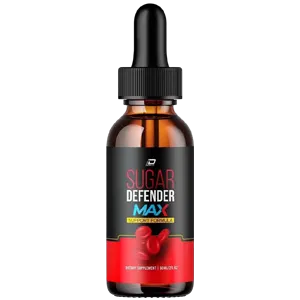
Sugar Defender
Product Type: Drop – Dietary Supplement
Primary Use: Healthy Blood Sugar
Overall Rating: 4.9/5
Price: $79.00
Key Benefits
- Supports healthy blood sugar levels already within the normal range
- Supports glucose metabolism
- Supports daily energy and vitality
- Supports healthy metabolism and weight management
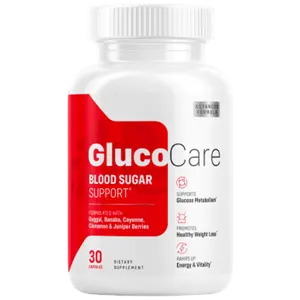
Gluco Care
Product Type: Dietary Supplement
Primary Use: Healthy Blood Sugar
Overall Rating: 4.8/5
Price: $69.00
Key Benefits
- Supports healthy blood sugar levels already within the normal range
- Supports glucose metabolism and nutrient utilization
- Supports healthy energy levels and daily vitality
- Supports metabolic health and healthy weight management