
Introduction
Motus is a weight-management supplement from Tonum, a nutraceutical brand operated by Prostasis LLC. It is designed to support fat utilization, metabolic health, steady energy, and lean muscle retention during weight loss.
Unlike stimulant-heavy fat burners, Motus uses five active ingredients: berberine phytosome (Berbevis®), alpha-lipoic acid, nicotinamide (vitamin B3), taurine, and milk thistle extract (Siliphos®). The manufacturer recommends four capsules daily with food.
One feature that distinguishes Motus from many competing supplements is its advertised 26-week human study. Tonum reports an average 10.4% weight reduction among participants who continued into an extension phase, with 87% of the weight lost coming from fat rather than lean mass.
That result is interesting, but the study was open-label, funded by the manufacturer, and did not include a placebo group. It has also not been published in a peer-reviewed journal. These limitations matter when interpreting the results.
This Motus review examines its ingredient doses, available human research, potential benefits, safety considerations, customer feedback, and pricing to determine whether the formula deserves consideration.
Quick Summary Box
| Product Name | Motus |
| Brand | Tonum Health |
| Manufacturer/Company | Prostasis LLC |
| Product Type | Weight-management and metabolic support supplement |
| Primary Purpose | Fat loss, lean muscle preservation, and metabolic support |
| Serving Size | 4 capsules |
| Capsules Per Bottle | 120 |
| Servings Per Bottle | 30 |
| Key Ingredients | Berbevis®, alpha-lipoic acid, nicotinamide, taurine, and Siliphos® |
| Human Study | 100 participants; open-label study with a 40-person extension group |
| Advertised Study Result | 10.4% average weight loss among 40 extension participants over 26 weeks |
| Stimulants | Manufacturer describes the formula as stimulant-free |
| Starting Price | $59.99 per bottle |
What Is Motus?
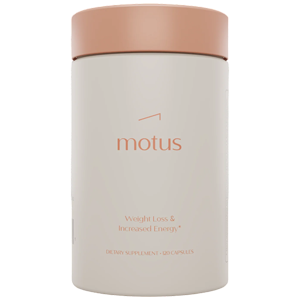 Motus is a daily capsule supplement marketed for adults who want to manage body weight while maintaining lean muscle and metabolic function.
Tonum positions the product as an alternative to conventional stimulant-based fat burners. Instead of relying on caffeine or similar stimulants, its formula focuses on compounds associated with glucose metabolism, cellular energy production, antioxidant activity, and metabolic health.
The five active ingredients listed on the current Supplement Facts panel are:
- Berbevis®: A berberine-phospholipid ingredient.
- Alpha-lipoic acid: An antioxidant involved in cellular energy metabolism.
- Nicotinamide: A form of vitamin B3 involved in NAD-related metabolic processes.
- Taurine: An amino sulfonic acid involved in several physiological functions.
- Siliphos®: A milk thistle silybin-phospholipid complex.
The manufacturer also describes Motus as supporting healthy cholesterol levels, liver function, and energy. These are broader metabolic-support claims, not established treatments for obesity, fatty liver disease, or high cholesterol.
How Does Motus Work?
Motus combines ingredients that influence different aspects of metabolic function.
1. Supports Glucose and Metabolic Regulation
Berberine has been investigated for its effects on glucose metabolism, insulin-related markers, and lipid profiles. Its proposed mechanisms include effects on AMPK, an enzyme involved in cellular energy regulation.
2. Supports Cellular Energy Production
Alpha-lipoic acid participates in mitochondrial energy metabolism. It also acts as an antioxidant and has been investigated for its potential effects on insulin sensitivity and body weight.
3. Supports NAD-Related Metabolism
Nicotinamide is a form of vitamin B3 used by the body to produce NAD and NADP, molecules involved in energy metabolism and cellular processes.
4. Provides Amino Acid Support
Taurine participates in cellular signaling, antioxidant defenses, and several metabolic processes. Researchers have investigated its relationship with insulin sensitivity and body composition.
5. Provides Milk Thistle Compounds
Siliphos® combines silybin from milk thistle with phospholipids. The formulation is designed to improve absorption compared with conventional milk thistle extracts.
Editorial assessment: These mechanisms provide a scientific rationale for the ingredient combination, but they do not prove that Motus directly activates fat burning or prevents muscle loss in every user.
Motus Key Ingredients
The current Supplement Facts panel lists five active ingredients per four-capsule serving. Unlike some proprietary-blend supplements, Motus discloses their individual amounts.
1. Berbevis® (Berberine Phytosome) – 500 mg
Berbevis® is a branded berberine-phospholipid formulation derived from Berberis aristata root extract. The label specifies 500 mg of the phospholipid ingredient, standardized to 28% berberine. This represents approximately 140 mg of berberine itself per serving.
Berberine has been studied for glucose regulation, insulin sensitivity, cholesterol, and metabolic health. Some clinical studies suggest benefits for fasting blood glucose and lipid measurements, although research results vary.
A 2021 human pharmacokinetic study found that a berberine-phytosome formulation improved absorption compared with conventional berberine. This supports the delivery technology, not necessarily weight loss from Motus.
A 2023 randomized trial investigated berberine phytosome in women with polycystic ovary syndrome. However, it used 550 mg twice daily, a different population and substantially different daily amount from the 500 mg Motus ingredient blend.
Study links:
2021 human pharmacokinetic study of berberine phytosome |
2023 randomized berberine-phytosome study
2. Siliphos® (Milk Thistle Silybin Phospholipid Complex) – 550 mg
Siliphos® is a branded milk thistle extract combined with phospholipids. Its primary active compound is silybin, which has been investigated for antioxidant and liver-related effects.
Milk thistle is often promoted for liver support and metabolic health. However, the NCCIH notes that high-quality evidence is insufficient to establish its effectiveness for most liver conditions.
A review of milk thistle phytosome research describes improved bioavailability compared with conventional silymarin preparations. This does not establish that the ingredient causes weight loss.
Study and safety links:
Review of Siliphos bioavailability and clinical research |
NCCIH milk thistle evidence and safety
3. Alpha-Lipoic Acid – 300 mg
Alpha-lipoic acid (ALA) is an antioxidant compound involved in mitochondrial energy metabolism. It has been studied for its possible effects on glucose metabolism, insulin sensitivity, and body weight.
A 2017 meta-analysis of randomized controlled trials found that ALA supplementation produced approximately 1.27 kg greater weight loss than placebo on average. The researchers described the effect as modest and called for more research on long-term outcomes.
A separate 24-week randomized trial investigated 600 mg of R-alpha-lipoic acid daily in overweight adults. The study reported a greater reduction in BMI in the treatment group.
Motus provides 300 mg daily, so the results of those higher-dose trials cannot be directly applied to its formula.
Study links:
2017 meta-analysis of alpha-lipoic acid and weight loss |
24-week randomized alpha-lipoic acid trial
4. Nicotinamide (Vitamin B3) – 500 mg NE
Nicotinamide is a form of vitamin B3 used to produce NAD and NADP, which participate in cellular energy production and metabolism.
Tonum includes 500 mg NE per serving. This is considerably higher than the adult recommended dietary allowance for niacin, which is 14 mg NE for women and 16 mg NE for men.
Nicotinamide should not be confused with nicotinic acid. It generally does not cause the flushing commonly associated with nicotinic acid, but high supplemental doses can still cause adverse effects.
The NIH Office of Dietary Supplements notes that nicotinamide intakes of 500 mg per day or more may cause diarrhea and easy bruising in some people. This makes the dose particularly important for consumers taking Motus daily.
There is not strong clinical evidence that 500 mg of nicotinamide independently produces meaningful weight loss.
Research and safety link:
NIH niacin fact sheet: forms, dosage, and safety
5. Taurine – 400 mg
Taurine is a naturally occurring amino sulfonic acid involved in cellular function, antioxidant activity, and metabolic regulation.
Researchers have investigated taurine alongside dietary interventions for body composition and metabolic markers.
A randomized clinical trial in obese women examined 3 grams of taurine daily alongside a calorie-restricted diet for eight weeks. Motus provides 400 mg, which is substantially lower than the amount used in that trial.
The study therefore does not establish that Motus produces the same effects.
Study link:
Randomized trial of taurine and weight-loss diet
Overall ingredient assessment: Motus includes five ingredients with published research on metabolic health, glucose regulation, or cellular function. However, the strength of evidence differs by ingredient, and several studies used different doses or formulations. Ingredient research cannot replace a well-controlled trial of the finished product.
Motus Human Clinical Study: What Does It Show?
Motus has a notable advantage over many supplements: Tonum provides details of a 26-week human study involving 100 adults aged 25–68 with a BMI of at least 25.
According to the manufacturer’s study report:
- Participants: 100 adults.
- Study design: Open-label, single-arm study.
- Duration: 26 weeks, including an extension phase.
- Intervention: Daily Motus supplementation.
- Measurements: Body weight, body fat percentage, and reported lifestyle habits.
- Sponsor: Tonum Health.
Tonum reports an average 5.1% body-weight reduction across the original 100 participants at 12 weeks. Among the 40 participants who continued into the extension phase, average weight loss reached 10.4% over 26 weeks, with 87% of the weight lost attributed to fat rather than lean mass.
The company also reports different outcomes based on participants’ self-reported diet and exercise habits.
Important Study Limitations
The results are interesting, but several limitations matter:
- There was no placebo or control group.
- Participants knew they were taking Motus.
- The study was funded by the product manufacturer.
- Only 40 participants continued into the extension phase.
- Diet and exercise habits were self-reported.
- Behavioral subgroups were created after the data was collected.
- The study has been presented as a scientific poster but has not been published in a peer-reviewed journal.
There is also a discrepancy in Tonum’s published reporting: its detailed study page reports 5.1% average weight loss at 12 weeks, while an earlier press release reports 5.7%.
Editorial interpretation: The study provides preliminary human evidence worth examining, but it cannot establish that Motus caused the observed weight loss. A randomized, blinded, placebo-controlled trial would provide stronger evidence.
Study source:
Tonum’s 26-week Motus study: methods, results, and limitations
Motus Benefits
Based on its ingredient profile and manufacturer research, Motus is designed to support several areas of metabolic wellness.
- Support fat metabolism: Combines berberine and alpha-lipoic acid, which have been studied for metabolic and glucose-related effects.
- Promote lean-mass preservation: The manufacturer reports that most weight lost in its extension study came from fat rather than lean mass.
- Support steady energy: Provides taurine, nicotinamide, and alpha-lipoic acid, which participate in normal cellular processes.
- Encourage metabolic efficiency: Uses berberine phytosome to support metabolic pathways involved in glucose regulation.
- Support liver-related wellness: Includes Siliphos® milk thistle extract, which has been investigated for liver-related outcomes.
- Complement healthy habits: Designed to be used alongside nutrition improvements, regular activity, and adequate protein intake.
These are potential support areas, not guaranteed results. Motus is not an established treatment for obesity, diabetes, fatty liver disease, or high cholesterol.
Motus Pros & Cons
Pros
- Provides five active ingredients with disclosed amounts.
- Uses branded Berbevis® and Siliphos® formulations.
- Includes a human study of the complete formula.
- Manufacturer describes the formula as stimulant-free.
- 120 capsules provide a 30-day supply.
- Vegetarian capsules and gluten-free claims.
- Available in one-, three-, and six-month packages.
Cons
- The human study had no placebo group or blinding.
- The study was funded by Tonum and is not peer-reviewed.
- Only 40 participants completed the extension phase.
- Some ingredient research uses substantially higher doses than Motus.
- The 500 mg nicotinamide dose deserves careful safety consideration.
- Berberine can interact with prescription medications.
- Four capsules are required daily.
- Longer packages require a larger upfront payment.
Motus vs. Alternatives
Motus competes with several approaches to weight management, including single-ingredient supplements, stimulant-based fat burners, and prescription treatments.
| Option | Main Focus | Key Difference |
|---|---|---|
| Motus | Metabolic support and fat-loss goals | Five-ingredient formula with a manufacturer-sponsored human study |
| Berberine Supplement | Glucose and lipid metabolism | Focuses on one plant-derived compound; formulation and dose vary |
| Alpha-Lipoic Acid | Antioxidant and metabolic support | Single-ingredient approach with modest weight-loss findings in meta-analysis |
| Stimulant-Based Fat Burner | Energy and thermogenesis | Often relies on caffeine or other stimulants, which may cause jitters or sleep disruption |
| Prescription GLP-1 Medication | Medical weight management | Prescription treatment with substantially stronger clinical evidence and medical supervision requirements |
| Structured Nutrition and Exercise Program | Sustainable weight management | Focuses on dietary intake, physical activity, behavior, and lean-mass preservation |
Motus should not be described as equivalent to prescription GLP-1 medications. Although Tonum markets it as a natural alternative, the supplement does not have the same regulatory status, clinical evidence, or established mechanism of action as approved prescription treatments.
Motus Customer Reviews
Tonum displays customer testimonials describing weight changes, reduced food cravings, improved energy, and easier adherence to nutrition goals.
Examples on the official product page include:
- Sheila R.: Reports a 39.3-pound reduction and less persistent thinking about food after three months.
- Tina B.: Reports a 76-pound reduction after 12 months of use.
- Vesna K.: Reports improved afternoon energy and a 19-pound reduction.
- Pat M.: Describes losing weight while feeling that strength was maintained.
- Dave B.: Reports a 38-pound reduction after six months.
These are testimonials published by the manufacturer, not independently verified clinical outcomes. Individual results may reflect diet, exercise, other treatments, and changes in daily habits.
Tonum also promotes a large customer base and displays a 4.4/5 Trustpilot rating on some product-page versions. Review counts and ratings can change, so they should be checked directly before publication.
Customer feedback is useful for understanding purchasing and user experiences, but it cannot establish that Motus caused the reported weight changes.
Who Should Use Motus?
Motus may interest adults who:
- Want a non-stimulant weight-management supplement.
- Are interested in metabolic and glucose-related ingredients.
- Want to complement a nutrition and exercise routine.
- Prefer a formula with individually disclosed active ingredient amounts.
- Understand that the human study is preliminary and does not guarantee results.
Who Should Avoid It or Seek Medical Advice First?
Medical advice is particularly important for:
- People taking diabetes medication or insulin.
- Individuals taking blood pressure or cholesterol medication.
- People using anticoagulants or other medicines with potential interactions.
- Individuals with liver or kidney disease.
- Pregnant or breastfeeding individuals.
- People with a history of sensitivity to berberine or milk thistle.
- Anyone taking multiple supplements containing vitamin B3 or berberine.
Motus should not replace prescribed obesity treatment or medical management of metabolic conditions.
Motus Side Effects & Safety
Motus is marketed as a stimulant-free formula, but that does not mean it is free of side effects or medication interactions.
Potential Side Effects
- Berberine: May cause diarrhea, constipation, nausea, abdominal discomfort, or vomiting.
- Alpha-lipoic acid: May cause gastrointestinal symptoms, rash, or itching. It may also affect blood glucose.
- Nicotinamide: At 500 mg daily or more, may cause diarrhea, easy bruising, and increased bleeding from wounds in some people.
- Milk thistle: May cause bloating, nausea, gas, or allergic reactions.
- Taurine: Generally well tolerated in studied amounts, although long-term evidence for this particular formula is limited.
Important Medication Interactions
Berberine can interact with medications, including cyclosporine, and may influence how the body processes certain drugs. It can also lower blood glucose, creating additional considerations for people using diabetes medication.
The 500 mg nicotinamide dose is another important point. Although nicotinamide generally causes less flushing than nicotinic acid, the NIH notes that doses at or above 500 mg daily may cause diarrhea and easy bruising.
Anyone taking prescription medication should discuss Motus with a healthcare professional before starting it.
Safety references:
NCCIH berberine safety and interactions |
NIH niacin safety information |
NCCIH milk thistle safety
FDA status: Motus is a dietary supplement, not an FDA-approved weight-loss medication. The FDA does not approve dietary supplements for safety and effectiveness before they are marketed.
Motus Pricing & Packages
Motus is available through the official Tonum website. The product page lists the following one-time purchase options:
| Package | Price Per Bottle | Total Price | Shipping |
|---|---|---|---|
| 1 Bottle (30 days) | $59.99 | $59.99 | Calculated at checkout |
| 3 Bottles (90 days) | $60.00 | $180.00 | Free shipping |
| 6 Bottles (180 days) | $54.00 | $324.00 | Free shipping |
The three-bottle package is advertised as a 10% discount in some parts of the website, although the displayed $180 total equals $60 per bottle. The six-bottle package is advertised at $54 per bottle.
Subscription option: Tonum also offers automatic deliveries with discounted pricing. The checkout page should be reviewed carefully to confirm the renewal amount, delivery frequency, and cancellation terms.
Money-back policy: The product page advertises free returns within 30 days. However, return eligibility and the condition of returned bottles should be checked in the current refund policy before ordering. Do not assume that opened bottles qualify for a refund.
Additional features: Tonum states that Motus is HSA/FSA eligible and ships within one business day. Eligibility and payment requirements should be confirmed with the relevant account provider.
Frequently Asked Questions
1. What is Motus used for?
Motus is a dietary supplement marketed for weight management, metabolic support, energy, and lean muscle preservation. It contains berberine phytosome, alpha-lipoic acid, nicotinamide, taurine, and milk thistle extract.
2. Does Motus really help with weight loss?
Tonum reports weight loss in an open-label human study involving 100 participants. However, the study had no placebo group and has not been peer-reviewed. It provides preliminary evidence, not definitive proof that Motus causes weight loss.
3. What are the main ingredients in Motus?
The current Supplement Facts panel lists five active ingredients: Berbevis® berberine phytosome (500 mg), Siliphos® milk thistle extract (550 mg), alpha-lipoic acid (300 mg), nicotinamide (500 mg NE), and taurine (400 mg) per four-capsule serving.
4. How many capsules of Motus should be taken daily?
Tonum recommends four capsules daily with food. Each bottle contains 120 capsules, providing 30 servings.
5. Does Motus contain caffeine?
The current Supplement Facts panel does not list caffeine, and the manufacturer describes Motus as stimulant-free. It should not be confused with stimulant-based fat burners.
6. How long does Motus take to work?
Tonum suggests that energy and appetite-related changes may appear during the first few weeks, with more visible body-composition changes over two to three months. These are manufacturer-reported expectations, not guaranteed results.
7. Can Motus preserve lean muscle during weight loss?
The manufacturer reports that 87% of weight lost in its 40-person extension group came from fat rather than lean mass. However, the study lacked a placebo group and independent peer review, so this result needs confirmation.
8. Is Motus safe to take with diabetes medication?
Medical advice is important before combining Motus with diabetes medication. Berberine and alpha-lipoic acid may affect glucose regulation and could alter the effects of glucose-lowering treatment.
9. Does Motus have side effects?
Possible side effects include digestive discomfort, diarrhea, constipation, nausea, or headaches. Its 500 mg nicotinamide dose also deserves attention because high supplemental doses may cause diarrhea and easy bruising.
10. How much does Motus cost?
The official website lists a single bottle at $59.99, three bottles at $180, and six bottles at $324. Multi-bottle packages include free shipping according to the product page.
Final Verdict: Is Motus Worth Trying?
Motus is a more research-oriented weight-management supplement than many products that rely primarily on generic fat-burning claims. Its five active ingredients have published research involving glucose metabolism, antioxidant activity, liver-related outcomes, and body weight.
Its most notable feature is the manufacturer’s 26-week human study, which reported an average 10.4% weight reduction among the 40 participants who continued into the extension phase. The reported preservation of lean mass is also an interesting finding.
However, the study’s design limits how confidently these results can be attributed to Motus. There was no placebo group, participants knew they were taking the supplement, and the research was funded by the manufacturer. The results have not yet been published in a peer-reviewed journal.
The ingredient profile also raises practical safety questions. Berberine can interact with medications, and the 500 mg nicotinamide dose is high enough to warrant attention to potential adverse effects.
Our Top Weight Loss Products
We evaluated these products based on key factors relevant to their intended use. Our editorial ratings consider ingredient transparency, available scientific evidence, formulation quality, safety considerations, value, and other product-specific factors.
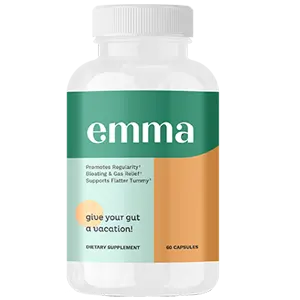
Emma Relief
Product Type: Dietary Supplement
Primary Use: Supports Digestive Comfort
Overall Rating: 4.9/5
Price: $50.00
Key Benefits
- Supports Digestive Comfort
- Promotes Bowel Regularity
- Supports Gut Microbiome Balance
- Supports Healthy Digestion
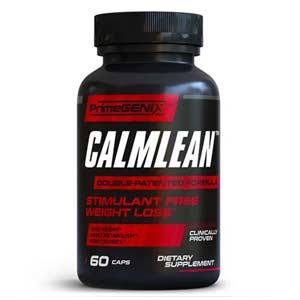
PrimeGENIX CalmLean
Product Type: Dietary Supplement
Primary Use: Weight Management Support
Overall Rating: 4.8/5
Price: $59.00
Key Benefits
- Supports Healthy Weight Management
- Supports Metabolic and Thermogenic Activity
- Supports Appetite and Hunger Management
- Stimulant-free and Caffeine-free Formula
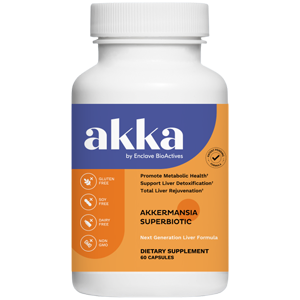
Akka
Product Type: Dietary Supplement
Primary Use: Supports Metabolic Wellness
Overall Rating: 4.8/5
Price: $50.15
Key Benefits
- Supports Gut Health
- Supports Gut Health
- Helps Support Healthy Appetite
- Supports Metabolic Wellness