
Introduction
Memo Matrix is a daily nootropic supplement marketed to adults who want support for memory, focus, concentration, and mental clarity. Its formula combines botanical extracts, amino acids, B vitamins, and stimulant compounds in a single capsule.
The product is particularly interesting because its published Supplement Facts panel identifies ten active ingredients. Three vitamins have individual quantities listed, while the remaining seven ingredients share a 151 mg proprietary blend.
That distinction is important. Although ingredients such as Bacopa monnieri and Huperzine-A have attracted scientific interest, the label does not disclose how much of each ingredient the capsule contains. The caffeine amount is also undisclosed.
My assessment considers the published ingredient panel, available scientific research, advertised purchasing terms, and potential safety concerns. The central question is whether the formula provides enough transparency and evidence to justify its memory and focus claims.
Memo Matrix Quick Summary Box
| Feature | Details |
|---|---|
| Product Name | Memo Matrix |
| Category | Memory and focus supplement / nootropic |
| Product Format | Vegetarian capsules |
| Serving Size | 1 capsule daily |
| Container Size | 30 capsules |
| Named Active Ingredients | 10 |
| Disclosed Vitamin Amounts | Vitamin B1: 6 mg; B6: 8.5 mg; B12: 24 mcg |
| Proprietary Blend | 151 mg combined across seven ingredients |
| Notable Ingredients | Bacopa monnieri, Huperzia serrata, Rhodiola rosea, L-tyrosine, caffeine, theacrine, and theobromine |
| Stimulant-Free? | No. The formula contains caffeine from green coffee bean, theacrine, and theobromine. |
| Product-Specific Clinical Trial | No independently verified clinical trial of the complete formula identified |
| Advertised Guarantee | 60 days |
| Advertised Price | $76–$46 per bottle, depending on bundle |
What Is Memo Matrix?
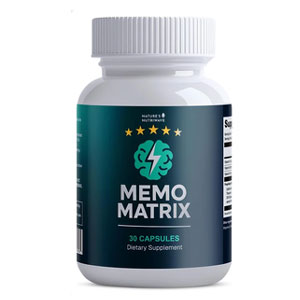 Memo Matrix is a nootropic capsule designed to combine ingredients associated with memory, attention, mental energy, and cognitive performance.
The product is marketed as a once-daily supplement. Each bottle contains 30 vegetable capsules, with one capsule representing the suggested daily serving.
Its formula combines several different ingredient categories:
- Memory-related botanicals: Bacopa monnieri and Huperzia serrata extract.
- Adaptogenic botanical: Rhodiola rosea root.
- Amino acid: L-tyrosine.
- Stimulant and energy compounds: Caffeine from green coffee bean, theacrine, and theobromine.
- B vitamins: Vitamin B1, vitamin B6, and vitamin B12.
The product website identifies Memo Matrix as distributed for Memo Matrix of Largo, Florida, and states that the capsules are made in the United States under Good Manufacturing Practice procedures.
The label also identifies rice flour, hypromellose, magnesium stearate, and silicon dioxide as other ingredients. Hypromellose is used for the vegetable capsule shell.
One important distinction: GMP manufacturing claims describe production standards, not proof that the finished supplement improves memory or concentration. Similarly, dietary supplements are not FDA-approved medications.
How Does Memo Matrix Work?
Memo Matrix combines ingredients intended to address two different aspects of cognitive performance: immediate alertness and longer-term memory support.
1. Immediate Alertness and Mental Energy
Caffeine from green coffee bean is a stimulant that can temporarily increase alertness and reduce feelings of tiredness. Theacrine and theobromine are also included in the blend.
L-tyrosine is an amino acid involved in the production of catecholamine neurotransmitters, including dopamine and norepinephrine. Researchers have investigated whether supplemental tyrosine can support cognitive performance during stressful or demanding situations.
These ingredients provide the formula’s proposed mental-energy component. However, the amount of caffeine and each other ingredient is not disclosed.
2. Memory and Learning Support
Bacopa monnieri is traditionally used in Ayurvedic practices and has been studied for its potential effects on memory and information retention.
Huperzia serrata provides Huperzine-A, a compound that inhibits acetylcholinesterase, an enzyme involved in breaking down acetylcholine. Acetylcholine plays an important role in learning and memory.
These mechanisms provide a scientific rationale for including the ingredients, but they do not prove that Memo Matrix improves memory.
3. Stress and Mental Fatigue
Rhodiola rosea is commonly described as an adaptogenic herb. Researchers have examined its possible effects on fatigue, stress, and mental performance.
Vitamin B1, B6, and B12 also participate in normal nervous system and energy metabolism. However, taking additional B vitamins does not automatically improve cognitive performance in people who already obtain sufficient amounts.
Important Formula Limitation
The seven ingredients in the proprietary blend share a combined weight of 151 mg. The individual amounts are not disclosed.
That makes it impossible to determine whether Memo Matrix supplies the quantities used in published studies. It also prevents an accurate assessment of the amount of caffeine in each capsule.
Memo Matrix Key Ingredients
The published Supplement Facts panel identifies ten active ingredients. Three B vitamins have individual quantities, while seven other ingredients are combined in the 151 mg proprietary blend.
The following research discussion examines each ingredient separately. It does not establish that the finished Memo Matrix formula produces the same results.
1. Bacopa Monnieri Extract
Bacopa monnieri, also known as Brahmi, is a traditional botanical that has attracted attention for its potential cognitive effects.
Researchers have investigated standardized Bacopa extracts for memory acquisition, delayed recall, and other cognitive measures. Some randomized controlled trials have reported improvements in selected memory outcomes after approximately 12 weeks of supplementation.
A systematic review of randomized controlled human trials identified six eligible studies. The researchers found some evidence of improvement in memory free recall, although evidence for other cognitive domains was limited.
**Research links:**
- Systematic Review of Bacopa Monnieri and Cognitive Performance
- Randomized Trial of Bacopa for Memory in Older Adults
- Bacopa and Cognitive Performance: Placebo-Controlled Trial
**Memo Matrix label information:** The product lists Bacopa monnieri whole plant extract standardized to 20% Bacosides A&B. Its individual quantity within the proprietary blend is not disclosed.
**Editorial assessment:** Bacopa is one of the more research-supported ingredients in this formula. However, several human studies used approximately 300 mg daily of standardized extracts. Since Memo Matrix does not disclose its Bacopa quantity, the research cannot be directly applied to this product.
2. Huperzia Serrata Extract (Huperzine-A)
Huperzia serrata is a botanical source of Huperzine-A, a naturally occurring compound studied for its effects on acetylcholinesterase.
By inhibiting this enzyme, Huperzine-A can influence acetylcholine availability. This mechanism has attracted research interest in relation to memory and cognitive function.
However, the evidence is not conclusive. An overview of systematic reviews found that the quality of existing evidence was insufficient to support firm conclusions about Huperzine-A for several cognitive conditions.
**Research links:**
- Overview of Systematic Reviews on Huperzine-A and Cognitive Function
- Huperzine-A for Mild Cognitive Impairment: Systematic Review
- Randomized Trial Examining Huperzine-A and Cognitive Performance
**Memo Matrix label information:** The label lists Huperzia serrata whole herb extract standardized to 1% Huperzine-A. The total extract quantity and actual Huperzine-A amount per capsule are not disclosed.
**Editorial assessment:** Huperzine-A is pharmacologically active, not simply a general botanical nutrient. Its inclusion deserves careful attention because it may interact with medications that affect acetylcholine and can cause unwanted effects.
3. Rhodiola Rosea Root
Rhodiola rosea is an herb traditionally used in regions of Europe and Asia. It is commonly included in supplements marketed for stress management, stamina, and mental fatigue.
Some clinical studies have investigated its potential effects on fatigue and cognitive performance. However, the overall evidence is mixed.
A systematic review examining 11 controlled studies found contradictory results. Several studies reported possible benefits, but methodological weaknesses and reporting limitations reduced confidence in the findings.
**Research links:**
- Rhodiola Rosea for Physical and Mental Fatigue: Systematic Review
- Randomized Trial of Rhodiola for Stress-Related Fatigue
- Rhodiola and Fatigue in Nursing Students: Randomized Trial
**Memo Matrix label information:** Rhodiola rosea root appears in the proprietary blend, but its individual quantity and standardization are not disclosed.
**Editorial assessment:** Rhodiola may be relevant to the product’s mental-fatigue positioning, but research findings are inconsistent. Its presence does not establish that Memo Matrix reduces stress or improves concentration.
4. L-Tyrosine
L-tyrosine is an amino acid used by the body to produce catecholamine neurotransmitters, including dopamine and norepinephrine.
Researchers have investigated whether supplemental tyrosine helps maintain cognitive performance during stressful conditions, sleep deprivation, or demanding mental tasks.
A rapid evidence assessment examined 10 randomized controlled trials and four controlled clinical trials. It found some evidence suggesting possible cognitive benefits under stressful conditions, but the researchers concluded that the evidence was insufficient for confident recommendations.
**Research links:**
- Tyrosine for Mitigating Stress and Enhancing Performance: Evidence Assessment
- Review of Tyrosine and Cognitive Performance Under Stress
- Randomized Trial of L-Tyrosine, Working Memory, and Inhibitory Control
**Memo Matrix label information:** L-tyrosine is included in the 151 mg proprietary blend, but its individual quantity is not listed.
**Editorial assessment:** Tyrosine has a plausible role in neurotransmitter production, but its cognitive effects may depend on the situation and individual characteristics. The undisclosed amount makes it difficult to judge the product’s potential contribution.
5. Caffeine from Green Coffee Bean
Caffeine is a widely consumed stimulant found naturally in coffee beans. It can temporarily increase alertness and reduce perceived tiredness.
The FDA notes that up to 400 mg of caffeine per day is not generally associated with negative effects for most healthy adults, although individual sensitivity varies.
**Research and safety link:** FDA: How Much Caffeine Is Too Much?.
**Memo Matrix label information:** Caffeine from green coffee bean is listed first in the proprietary blend. Its exact quantity is not disclosed.
**Editorial assessment:** Caffeine may explain some of the product’s immediate alertness positioning. However, the unknown caffeine amount is a meaningful transparency issue, particularly for people who already drink coffee, tea, or energy drinks.
6. Theacrine
Theacrine is a naturally occurring compound found in certain tea plants. It has been investigated for its potential effects on energy, mood, and alertness.
A small randomized trial comparing a theacrine-containing supplement, caffeine, and placebo found some differences in subjective feelings of energy and focus. However, the researchers did not find statistically significant improvements in the measured cognitive performance tests.
**Research links:**
- Theacrine, Caffeine, and Cognitive Performance: Randomized Trial
- Assessment of the Interaction Between Theacrine and Caffeine
- Theacrine Supplementation and Subjective Energy Measures
**Memo Matrix label information:** Theacrine is included in the 151 mg proprietary blend. Its individual amount is not disclosed.
**Editorial assessment:** Theacrine may contribute to the product’s stimulant profile, but available human research is limited. Its combination with caffeine also makes the undisclosed stimulant quantities important.
7. Theobromine
Theobromine is a naturally occurring methylxanthine found in cocoa and certain other plants. It has biological activity and is sometimes included in energy-oriented supplement formulas.
However, direct human evidence establishing meaningful memory or concentration benefits from theobromine alone is limited.
**Research link:** PubMed: Theobromine and Human Cognitive Performance Research.
**Memo Matrix label information:** Theobromine is listed in the proprietary blend, with no individual quantity disclosed.
**Editorial assessment:** Theobromine may contribute to the formula’s stimulant-related positioning, but there is insufficient evidence to attribute a specific cognitive benefit to its inclusion.
8. Vitamin B1 (Thiamine HCl)
Vitamin B1, also known as thiamine, helps the body convert nutrients into energy and supports normal nervous system function.
The Memo Matrix label lists 6 mg of vitamin B1 per capsule, equivalent to 500% of the Daily Value.
**Research link:** NIH Office of Dietary Supplements: Thiamin Fact Sheet.
**Editorial assessment:** Thiamine is an essential nutrient. Correcting a deficiency is important for normal neurological function, but extra thiamine does not necessarily improve memory in people who already have adequate intake.
9. Vitamin B6 (Pyridoxine HCl)
Vitamin B6 participates in several metabolic processes, including the production of neurotransmitters involved in normal nervous system activity.
The Memo Matrix label lists 8.5 mg of vitamin B6 per capsule, equivalent to 500% of the Daily Value.
**Research and safety link:** NIH Office of Dietary Supplements: Vitamin B6 Fact Sheet.
**Editorial assessment:** Vitamin B6 has an established nutritional role, but supplementation does not guarantee better cognitive performance. Consumers should also consider vitamin B6 from other supplements because excessive long-term intake can cause nerve damage.
10. Vitamin B12 (Methylcobalamin)
Vitamin B12 supports normal nerve function, red blood cell production, and DNA synthesis. The product uses methylcobalamin, a form of vitamin B12.
The Memo Matrix label lists 24 mcg per capsule, equivalent to 1,000% of the Daily Value.
**Research link:** NIH Office of Dietary Supplements: Vitamin B12 Fact Sheet.
**Editorial assessment:** Vitamin B12 is important for neurological health, particularly when someone has a deficiency. However, there is no strong basis for assuming that high-dose B12 improves memory in people with adequate vitamin B12 status.
Ingredient Transparency: What the Label Does Not Tell Us
Memo Matrix provides a named ingredient list and discloses the quantities of three vitamins. That is useful, but the proprietary blend limits a complete assessment.
The seven blend ingredients share 151 mg in total:
- Caffeine from green coffee bean
- L-tyrosine
- Theacrine
- Theobromine
- Bacopa monnieri extract
- Rhodiola rosea root
- Huperzia serrata extract
The label does not identify the individual amount of any of these seven ingredients. This is especially relevant for Bacopa and Huperzine-A because clinical research uses specific preparations and quantities.
The caffeine amount is also unknown, making it difficult to calculate total daily stimulant intake.
Memo Matrix Benefits
Memo Matrix is marketed for several areas of cognitive wellness. Based on its formula and the available ingredient research, the potential areas of interest include:
- Support memory-related processes: Bacopa monnieri and Huperzine-A have been investigated for their relationships with learning, recall, and acetylcholine activity.
- Promote temporary alertness: Caffeine may help increase wakefulness and reduce perceived tiredness.
- Support concentration research goals: L-tyrosine has been studied for its potential effects on cognitive performance under stressful conditions.
- Address mental fatigue: Rhodiola rosea has been investigated for possible effects on fatigue and stress-related performance.
- Provide essential B vitamins: Vitamins B1, B6, and B12 contribute to normal nervous system and energy metabolism.
- Combine several nootropic ingredients: The capsule brings botanical, nutritional, amino-acid, and stimulant compounds together in one serving.
These points describe potential ingredient-related functions, not proven clinical benefits of Memo Matrix. No independently verified clinical trial of the complete formula was identified.
Memo Matrix Pros & Cons
Pros
- Provides a named list of ten active ingredients.
- Discloses individual quantities for vitamins B1, B6, and B12.
- Includes Bacopa monnieri, an ingredient with human memory research.
- Uses a standardized Bacopa extract listing 20% Bacosides A&B.
- Includes Huperzia serrata extract standardized to 1% Huperzine-A.
- Uses a convenient once-daily capsule format.
- Advertises a 60-day money-back guarantee.
- Offers multi-bottle packages with lower advertised per-bottle pricing.
Cons
- Seven active ingredients share a 151 mg proprietary blend.
- Individual amounts of Bacopa, Huperzine-A, Rhodiola, and L-tyrosine are not disclosed.
- The exact caffeine quantity is unknown.
- The finished formula has no independently verified clinical trial.
- Contains stimulant compounds, making it unsuitable for some caffeine-sensitive individuals.
- Huperzine-A may interact with medications and requires additional caution.
- Some ingredient research uses quantities that cannot be compared with this product’s undisclosed doses.
Comparison Table with Alternatives
Memo Matrix competes with several memory and brain-health supplements. The following products offer useful category comparisons, but their formulas and evidence should be evaluated separately.
| Product | Category | Editorial Comparison |
|---|---|---|
| Memo Matrix | Memory and focus capsules | Combines Bacopa, Huperzine-A, Rhodiola, B vitamins, and stimulant ingredients; seven actives share a 151 mg blend. |
| Brainpill | Brain health supplement | An alternative nootropic review to compare for ingredient disclosure and cognitive-support claims. |
| Axolt Brain | Brain and memory support | Compare the formula, serving information, and evidence behind its advertised ingredients. |
| MemoPryl | Memory support supplement | Another memory-focused product to assess for ingredient transparency and safety. |
| Memo Genesis | Memory and cognitive support | Compare the ingredient list and whether individual quantities are disclosed. |
| NeuroBoost IQ | Nootropic and brain health | Useful alternative for comparing cognitive-support positioning and formula transparency. |
**Comparison takeaway:** Memo Matrix has a clearly named ingredient list and disclosed vitamin amounts, but its proprietary blend makes it difficult to evaluate the doses of its principal nootropic and stimulant ingredients. A product with a fully disclosed label may be easier to assess, even if it contains fewer ingredients.
Memo Matrix Customer Reviews
Customer reviews can help explain practical aspects of a supplement, such as capsule size, packaging, ordering experience, and customer service. They cannot independently establish that a product improves memory or cognitive performance.
The supplied website contains product information and promotional material, but I could not establish a sufficiently reliable, independent collection of verified-purchase customer reviews to summarize typical customer experiences.
I would therefore avoid treating unverified testimonials or promotional statements as proof of effectiveness.
Before relying on customer feedback, check:
- Whether the review comes from a verified purchaser.
- Whether the platform is independent of the seller.
- Whether both positive and negative experiences are visible.
- Whether reviews relate to the exact Memo Matrix formula.
- Whether claims about memory improvement are supported by objective evidence rather than personal impressions.
The lack of independently verified review data does not prove that customers are dissatisfied. It simply means customer satisfaction cannot be confidently assessed from the available information.
Who Should Use or Avoid Memo Matrix?
Who Might Consider Memo Matrix?
Adults interested in investigating nootropic supplements may consider reviewing Memo Matrix’s label and research before making a purchasing decision.
It may be of interest to people who:
- Want a single capsule containing several nootropic ingredients.
- Are researching Bacopa-based memory supplements.
- Want to compare botanical and stimulant-based cognitive formulas.
- Prefer products that disclose at least some individual ingredient quantities.
However, these are reasons to investigate the product, not recommendations that it will improve memory or concentration.
Who Should Avoid It or Seek Medical Advice First?
- People sensitive to caffeine: The caffeine amount is not disclosed, and the formula also contains theacrine and theobromine.
- People with heart conditions or high blood pressure: Stimulant-containing supplements may not be appropriate without medical advice.
- People taking prescription medication: Huperzine-A and other active ingredients may interact with medicines.
- People taking medication affecting acetylcholine: Huperzine-A may interact with cholinergic or anticholinergic medicines and should be reviewed by a healthcare professional.
- Pregnant or breastfeeding individuals: Avoid using this multi-ingredient nootropic without professional approval.
- People with sleep difficulties: Caffeine and other stimulant compounds may worsen sleep problems.
- People under 18: This adult-oriented supplement should not be used by minors without specific medical guidance.
Anyone experiencing persistent memory loss, confusion, or a noticeable decline in cognitive function should seek medical evaluation rather than relying on a supplement.
Memo Matrix Side Effects & Safety
Memo Matrix contains several active compounds, so its safety profile deserves careful consideration. The undisclosed amounts in the proprietary blend make it difficult to estimate individual exposure.
Potential Effects of Caffeine
Caffeine may cause:
- Difficulty sleeping
- Restlessness or jitteriness
- Increased heart rate in sensitive individuals
- Anxiety or nervousness
- Digestive discomfort
- Headaches, particularly when caffeine intake changes
The FDA notes that 400 mg per day is an amount not generally associated with negative effects for most healthy adults. Individual tolerance varies, and this is not a recommended target or a guarantee of safety.
Because Memo Matrix does not disclose its caffeine amount, users cannot accurately calculate how much it adds to their daily intake.
Reference: FDA: Spilling the Beans—How Much Caffeine Is Too Much?.
Potential Effects of Huperzine-A
Huperzine-A affects acetylcholinesterase activity. This pharmacological action may be associated with effects such as:
- Nausea or digestive discomfort
- Dizziness
- Headache
- Sweating
- Changes in heart rate
- Other cholinergic effects
It may interact with medications that influence acetylcholine, including certain drugs used for neurological conditions. People taking prescription medication should consult a healthcare professional before using a supplement containing Huperzine-A.
Potential Effects of Bacopa
Bacopa monnieri may cause digestive effects in some people, including:
- Nausea
- Abdominal cramps
- Increased stool frequency
- Digestive discomfort
These effects have been reported in clinical research involving Bacopa extracts.
Vitamin B6 Considerations
Memo Matrix contains 8.5 mg of vitamin B6 per capsule. This is below the US adult tolerable upper intake level of 100 mg daily, but total intake from other supplements should still be considered.
Long-term excessive vitamin B6 intake can cause peripheral nerve damage.
Reference: NIH: Vitamin B6 and Health.
General Safety Recommendations
- Do not combine Memo Matrix with other stimulant-heavy supplements without reviewing total intake.
- Check the complete label for all active ingredients and quantities.
- Discuss Huperzine-A with a pharmacist if taking prescription medication.
- Avoid taking stimulant-containing supplements close to bedtime.
- Do not exceed the manufacturer’s stated serving.
- Stop use and seek medical advice if unexpected symptoms occur.
Memo Matrix is a dietary supplement, not a treatment for dementia, Alzheimer’s disease, ADHD, or other neurological conditions. It should not replace medical evaluation or prescribed treatment.
Memo Matrix Pricing & Packages
The supplied official website advertises three purchasing bundles. Each bottle contains 30 capsules, representing a 30-day supply when taken at one capsule daily.
| Package | Supply | Price Per Bottle | Total Price | Shipping |
|---|---|---|---|---|
| 2 Bottles | 60 days | $76 | $152 | Added at checkout |
| 3 Bottles | 90 days | $66 | $198 | Free US shipping advertised |
| 6 Bottles | 180 days | $46 | $276 | Free US shipping advertised |
The official website also advertises:
- A 60-day money-back guarantee.
- One-time purchases rather than automatic recurring billing.
- Free US shipping on the three- and six-bottle packages.
- Digital bonus materials with selected multi-bottle offers.
The seller does not publish a separate single-bottle price on the reviewed offer. The smallest advertised package is two bottles.
Prices and shipping terms may change, so the final checkout amount should be confirmed before placing an order.
What to Check Before Buying
- Confirm the exact package total and shipping charge.
- Read the current 60-day refund policy.
- Save the order confirmation and payment receipt.
- Check that the order is a one-time purchase.
- Compare the physical bottle’s Supplement Facts panel with the online label.
10 Frequently Asked Questions About Memo Matrix
1. What is Memo Matrix used for?
Memo Matrix is marketed as a nootropic supplement for memory, focus, concentration, and mental clarity. It combines Bacopa monnieri, Huperzia serrata extract, Rhodiola rosea, L-tyrosine, stimulant compounds, and B vitamins. Its effectiveness as a complete formula has not been established through an independently verified clinical trial.
2. What are the main ingredients in Memo Matrix?
The published label identifies ten active ingredients: vitamin B1, vitamin B6, vitamin B12, caffeine from green coffee bean, L-tyrosine, theacrine, theobromine, Bacopa monnieri, Rhodiola rosea, and Huperzia serrata extract standardized to Huperzine-A.
3. Does Memo Matrix really improve memory?
There is insufficient product-specific evidence to confirm that Memo Matrix improves memory. Bacopa monnieri and Huperzine-A have been studied individually, but the finished product has not been independently validated in a clinical trial. The undisclosed ingredient quantities also make direct comparisons with research doses difficult.
4. How long does Memo Matrix take to work?
The timing may depend on the ingredients and individual response. Caffeine can produce temporary alertness relatively quickly, while Bacopa research generally examines repeated supplementation over several weeks. There is no verified product-specific study establishing how long Memo Matrix takes to produce a measurable memory effect.
5. Does Memo Matrix contain caffeine?
Yes. Its Supplement Facts panel lists caffeine from green coffee bean within the 151 mg proprietary blend. The exact caffeine amount is not disclosed, so users cannot calculate the capsule’s precise contribution to daily caffeine intake.
6. Is Memo Matrix stimulant-free?
No. Memo Matrix contains caffeine from green coffee bean, theacrine, and theobromine. People who are sensitive to stimulants or have sleep difficulties should review the formula with a healthcare professional before considering it.
7. What is the serving size of Memo Matrix?
The published label recommends one capsule daily. Each bottle contains 30 vegetable capsules, representing approximately a 30-day supply. Always check the physical bottle for the current directions.
8. Does Memo Matrix have any side effects?
Potential effects depend on individual sensitivity and ingredient exposure. Caffeine may cause restlessness or sleep disruption, Bacopa may cause digestive discomfort, and Huperzine-A can produce cholinergic effects and medication interactions. The proprietary blend makes individual exposure difficult to assess.
9. How much does Memo Matrix cost?
The advertised bundles are $152 for two bottles, $198 for three bottles, and $276 for six bottles. These work out to $76, $66, and $46 per bottle, respectively. Shipping is added to the two-bottle package, while free US shipping is advertised for the three- and six-bottle packages.
10. Is Memo Matrix FDA-approved?
Memo Matrix is marketed as a dietary supplement, not an FDA-approved medication. Dietary supplements are not approved by the FDA for effectiveness before marketing in the same way as prescription drugs. Manufacturing standards or facility-related claims should not be confused with FDA approval of the finished product.
Final Verdict: Is Memo Matrix Worth Considering?
Memo Matrix combines several ingredients that have attracted scientific interest in memory, attention, and mental energy research. Bacopa monnieri has some human clinical evidence for selected memory outcomes, while Huperzine-A has a recognized mechanism involving acetylcholine. Rhodiola and L-tyrosine have also been investigated for fatigue and cognitive performance under stress.
However, the product has an important transparency limitation: seven active ingredients share a 151 mg proprietary blend, with no individual quantities disclosed. The exact caffeine amount is also unknown. This makes it difficult to determine whether the formula provides meaningful quantities of its principal ingredients or whether its stimulant content is appropriate for a particular person.
The advertised 60-day money-back guarantee and lower per-bottle prices on larger packages may appeal to some buyers. Nevertheless, purchasing incentives do not establish clinical effectiveness.
Our Top Memory, Focus & Cognitive Products
We evaluated these products based on key factors relevant to their intended use. Our editorial ratings consider ingredient transparency, available scientific evidence, formulation quality, safety considerations, value, and other product-specific factors.
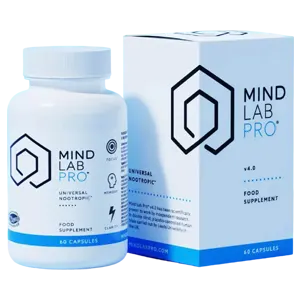
Mind Lab Pro
Product Type: Dietary Supplement
Primary Use: Cognitive Performance Support
Overall Rating: 4.9/5
Price: $69.00
Key Benefits
- Supports focus and concentration
- Supports memory and recall
- Supports mental clarity and cognitive performance
- Supports mood, motivation and mental energy
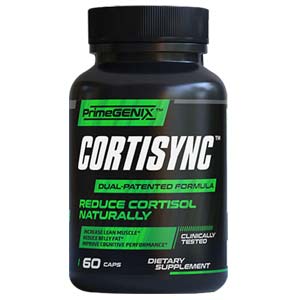
PrimeGENIX CortiSync
Product Type: Dietary Supplement
Primary Use: Cortisol, Stress & Adrenal Support
Overall Rating: 4.8/5
Price: $59.00
Key Benefits
- Supports healthy cortisol levels
- Supports stress management and resilience
- Supports energy and physical performance
- Supports focus and cognitive function
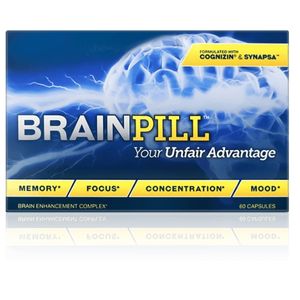
Brainpill
Product Type: Dietary Supplement
Primary Use: Memory, Focus Support
Overall Rating: 4.7/5
Price: $69.95
Key Benefits
- Supports memory and recall
- Supports focus and concentration
- Supports mental performance under pressure
- Supports cognitive energy and productivity