
Introduction
Almased is a high-protein, low-glycemic meal-replacement powder primarily marketed for weight management. Unlike typical “fat burner” supplements, its main strategy is straightforward: replace higher-calorie meals with a portion-controlled protein shake.
The Original formula uses soy protein isolate, low-fat yogurt powder, raw honey, and added vitamins and minerals. Almased recommends using one to three shakes daily depending on the phase of its weight-management program.
The underlying concept has credible evidence. Meal replacements can help adults with overweight or obesity lose weight when incorporated into a structured calorie-controlled program.
Quick Summary
| Product | Almased Original |
|---|---|
| Product Type | High-protein meal-replacement powder |
| Primary Use | Weight management and nutrition support |
| Protein Source | Soy protein isolate + yogurt |
| Other Main Ingredient | Raw honey |
| Protein | Approximately 24–27 g per serving, depending on current serving/label presentation |
| Contains | Soy and milk |
| Clinical Research | Yes, including randomized meal-replacement research |
| Best Supported Benefit | Weight loss when incorporated into a calorie-controlled program |
What Is Almased?
 Almased is a powdered meal replacement designed to provide substantial protein while helping control calorie intake.
Its Original formula is based primarily on soy protein isolate, raw honey, and low-fat yogurt powder. It also contains added vitamins and minerals, including vitamin C, iron, zinc, B vitamins, and vitamins A and E.
The company markets Almased for weight loss, weight maintenance, metabolic health, fitness, and general nutrition. The strongest evidence is for its role within a structured weight-management program rather than claims that the powder independently “boosts” metabolism or burns fat.
How Does Almased Work?
Almased mainly works through meal replacement, calorie control, and protein intake.
Replacing a conventional meal with a measured shake makes calorie intake easier to control. Its relatively high protein content can also contribute to satiety and help meet protein needs during weight loss.
This is consistent with broader evidence. A systematic review and meta-analysis of 23 randomized studies involving 7,884 adults found that programs incorporating meal replacements produced greater weight loss at one year than comparison weight-loss programs.
That is a much stronger explanation for Almased’s potential effectiveness than claims that it uniquely “resets” metabolism.
Almased Key Ingredients
Soy Protein Isolate
Soy protein isolate is Almased’s primary protein source. It supplies all essential amino acids and makes the shake substantially higher in protein than a typical low-calorie beverage.
Protein is particularly relevant during weight loss because calorie restriction can reduce both fat and lean tissue. Adequate dietary protein, particularly alongside resistance exercise, can help support lean mass preservation.
The current Almased formulation also provides branched-chain amino acids such as leucine, isoleucine, and valine.
Study: Meal Replacements and Weight Loss — Systematic Review and Meta-Analysis
Low-Fat Yogurt Powder
Almased Original contains low-fat yogurt powder derived from skim milk and yogurt culture.
This contributes milk-derived protein and other nutrients, but it also means Almased Original is not dairy-free. Anyone with a milk allergy should therefore avoid treating it as a pure soy shake.
Raw Honey
Honey provides carbohydrates and contributes to the flavor and energy content of the product.
Its inclusion does not mean that Almased is sugar-free or carbohydrate-free. Honey should mainly be viewed as part of the food formulation rather than a clinically established weight-loss ingredient.
Vitamins and Minerals
Almased is fortified with micronutrients, including zinc, iron and several B vitamins. This is relevant because meal replacements intended to substitute for conventional meals should provide more nutritional value than a simple protein powder.
However, added vitamins do not independently cause fat loss. Their primary purpose is nutritional support.
Does Almased Really Help With Weight Loss?
This is where Almased has comparatively useful evidence.
The ACOORH randomized controlled trial enrolled 463 adults with overweight or obesity and metabolic syndrome criteria. Participants received a lifestyle intervention, while the intervention group additionally used a protein-rich, low-glycemic meal replacement.
A 12-month analysis found average weight reductions of approximately 6.1 kg in the meal-replacement intervention versus 3.2 kg in the control group. Fasting insulin and several inflammatory markers also declined more in the intervention group.
Another ACOORH analysis found that the meal-replacement intervention increased the proportion of dietary protein and that higher protein intake was associated with greater weight reduction.
These findings provide legitimate support for the Almased-based program. However, the trials tested Almased within a broader lifestyle intervention, not as a stand-alone fat-burning supplement.
There is also a conflict-of-interest consideration: Almased-Wellness-GmbH provided research support for the ACOORH study, and several investigators reported consulting or speaker relationships with the company.
Potential Benefits
- Supports calorie control: Replacing a higher-calorie meal can reduce total daily energy intake.
- Provides substantial protein: Soy and dairy proteins supply essential amino acids.
- Promotes weight loss: Almased-based meal replacement has produced greater weight reduction than lifestyle intervention alone in clinical research.
- Simplifies meal planning: A measured serving reduces the need to calculate every meal from scratch.
- Supports metabolic markers: ACOORH research reported improvements in fasting insulin and some inflammatory markers alongside weight loss.
What About Almased’s “Metabolism” Claims?
The company frequently describes Almased as supporting or boosting metabolism. The evidence requires more nuance.
A calorie-restricted, protein-rich diet can influence energy expenditure, satiety, substrate oxidation, and body composition. That does not mean Almased permanently accelerates metabolism or causes the body to burn fat regardless of calorie intake.
The clearest evidence for Almased remains its use as a structured meal replacement that facilitates calorie restriction.
I would therefore avoid describing Almased as a metabolism “reset.”
Almased Pros and Cons
Pros
- Uses a simple food-based protein formulation.
- Provides a substantial amount of protein per serving.
- Meal replacements have systematic-review evidence for weight management.
- Almased itself has been included in randomized clinical research.
- Provides essential amino acids plus added vitamins and minerals.
- No stimulant-based fat burners are required for its primary mechanism.
Cons
- Contains both soy and milk allergens.
- Original flavor may not appeal to everyone.
- Weight loss still depends heavily on overall calorie intake and adherence.
- Several Almased studies received manufacturer funding.
- Some marketing language about “detox” and metabolism goes beyond the strongest clinical evidence.
- Replacing multiple meals can be difficult to sustain long term.
Almased vs. Regular Protein Powder
| Feature | Almased | Typical Protein Powder |
|---|---|---|
| Main Purpose | Meal replacement/weight management | Increase protein intake |
| Protein | High | Usually high |
| Carbohydrates | Contains honey-derived carbohydrates | Varies |
| Added Vitamins/Minerals | Yes | Varies |
| Meal-Replacement Program | Yes | Usually no |
| Product-Specific Weight Research | Yes | Depends on product |
Almased is therefore more accurately compared with a structured meal replacement than with a basic gym protein powder.
Customer Reviews
The official Almased store publishes customer ratings for its products. For example, the current Vanilla product page displays an average rating above four stars, with users commonly discussing taste, convenience, satiety, and weight-management experiences.
Customer experiences should still be treated separately from clinical evidence. Weight changes can depend on starting weight, total calorie intake, activity, adherence, medications, and many other factors.
Who May Consider Almased?
Almased may be useful for adults who want a structured, portion-controlled approach to weight management and find conventional calorie tracking difficult.
It may particularly suit people who prefer a high-protein shake and are comfortable replacing one or more meals temporarily.
For long-term success, the shake should ideally complement sustainable habits involving whole foods, adequate protein, physical activity, sleep, and appropriate calorie intake.
Who Should Avoid or Use Caution?
Extra caution is appropriate for people who:
- Have a soy allergy.
- Have a milk allergy.
- Are pregnant or breastfeeding.
- Have kidney disease or another condition requiring protein restriction.
- Use glucose-lowering medication.
- Have a history of disordered eating or find restrictive diet phases problematic.
- Have type 1 diabetes or recurrent hypoglycemia.
People taking diabetes medication should not substantially reduce food intake without medical guidance because medication requirements may change.
Side Effects and Safety
Almased is essentially a fortified food product rather than a stimulant-heavy weight-loss supplement, so its safety considerations are mainly nutritional and allergen related.
Possible problems can include digestive discomfort, changes in bowel habits, hunger, headache, or fatigue when calorie intake drops substantially.
The product contains soy and milk, making it unsuitable for people with relevant allergies.
The more aggressive phases of the Almased plan also deserve caution. The company’s current Figure Plan allows three shakes per day for 3–14 days before gradually reintroducing conventional meals.
That level of dietary restriction may not be appropriate for everyone.
How to Use Almased
The current US instructions recommend mixing approximately 8 tablespoons (½ cup) of Almased with about 8–12 fl oz of water, low-fat dairy milk, oat milk, or almond milk.
The current weight-loss program follows three main stages:
| Phase | Plan |
|---|---|
| Phase 1 | 3 Almased shakes daily for 3–14 days |
| Phase 2 | 2 shakes + 1 balanced meal daily |
| Phase 3 | 1 shake + 2 balanced meals daily |
The company also allows a more flexible approach rather than requiring everyone to begin with the most restrictive phase.
Pricing and Packages
Almased is sold through the company’s US online store in Original and Vanilla varieties, with individual cans, bundles, welcome kits, and subscription options.
For example, the current Vanilla welcome kit containing two cans plus a shaker is listed at $89.97 as a one-time purchase, with a lower subscription price displayed.
Pricing and promotions change regularly, so the current official store should be checked before ordering.
10 Frequently Asked Questions
1. What is Almased?
Almased is a high-protein, low-glycemic powdered meal replacement designed primarily for weight management and nutritional support.
2. What are the main Almased ingredients?
Almased Original contains soy protein isolate, raw honey, low-fat yogurt powder, and added vitamins and minerals.
3. Does Almased really help with weight loss?
It can. A randomized lifestyle trial found greater weight reduction when a protein-rich, low-glycemic meal replacement was added to the intervention compared with lifestyle intervention alone.
4. Are meal-replacement shakes effective for weight loss?
A meta-analysis of 23 randomized studies involving 7,884 adults found that programs incorporating meal replacements generally produced greater one-year weight loss than comparison programs.
5. Is Almased a fat burner?
Not in the conventional sense. Its primary mechanism is meal replacement, calorie control, and increased dietary protein rather than stimulant-driven thermogenesis.
6. How much protein does Almased provide?
Current Almased US materials describe roughly 24–27 grams of protein per standard serving, with some variation in current product and serving presentations.
7. Is Almased dairy-free?
No. Almased Original contains low-fat yogurt powder derived from milk and also contains soy.
8. Can Almased replace every meal?
The company’s initial weight-loss phase allows three shakes per day for a limited period of 3–14 days before transitioning toward regular balanced meals. This restrictive approach may not be appropriate for everyone.
9. Is Almased clinically studied?
Yes. Almased has been used in published clinical research, including the randomized ACOORH weight-management trial. However, several investigators received research support or honoraria from Almased-Wellness-GmbH, which should be considered when interpreting the findings.
10. Does Almased permanently boost metabolism?
There is insufficient evidence to claim that Almased permanently increases metabolic rate. Its better-established benefit is helping structure calorie and protein intake as part of a weight-management program.
Final Verdict
Almased is more evidence-based than many products marketed for weight loss because its core strategy—protein-rich meal replacement combined with lifestyle changes—has legitimate clinical support.
A major systematic review involving 23 randomized trials found that meal-replacement programs can produce greater weight loss at one year than comparison weight-loss programs.
More specifically, the ACOORH trial studied a protein-rich, low-glycemic meal replacement within a structured lifestyle program. A 12-month analysis reported an average weight reduction of approximately 6.1 kg in the intervention group versus 3.2 kg with lifestyle intervention alone. Fasting insulin also decreased more in the meal-replacement group.
The evidence does have limitations. Almased funded research associated with ACOORH, and several researchers reported financial relationships with the company. Furthermore, these studies evaluate a complete dietary program, so the results should not be interpreted as proof that simply adding an Almased shake to an unchanged diet will cause the same weight loss.
Editorial assessment: Almased is a credible high-protein meal-replacement option for structured weight management. Its strongest benefit comes from making calorie control and protein intake easier—not from uniquely “detoxifying” the body or permanently accelerating metabolism.
The product makes the most sense when it replaces a higher-calorie meal within a sustainable weight-management plan. Long-term results will still depend on overall diet quality, calorie intake, physical activity, and adherence.
Our Top Weight Loss Products
We evaluated these products based on key factors relevant to their intended use. Our editorial ratings consider ingredient transparency, available scientific evidence, formulation quality, safety considerations, value, and other product-specific factors.
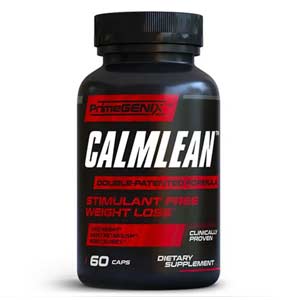
PrimeGENIX CalmLean
Product Type: Dietary Supplement
Primary Use: Weight Management Support
Overall Rating: 4.9/5
Price: $59.00
Key Benefits
- Supports healthy weight management
- Supports metabolic and thermogenic activity
- Supports appetite and hunger management
- Stimulant-free and caffeine-free formula
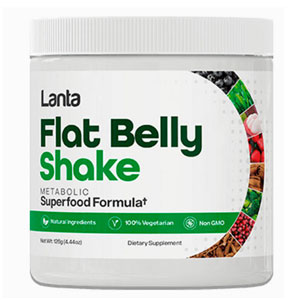
Lanta Flat Belly Shake
Product Type: Dietary Supplement
Primary Use: Weight Management & Metabolic Support
Overall Rating: 4.8/5
Price: $69.00
Key Benefits
- Supports healthy weight management
- Supports metabolism and energy
- Helps manage food cravings
- Supports healthy digestion
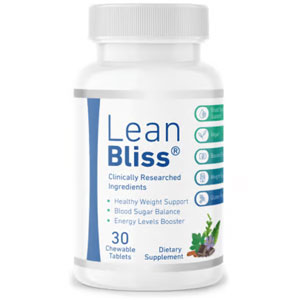
LeanBliss
Product Type: Dietary Supplement
Primary Use: Weight Management & Blood Sugar Support
Overall Rating: 4.8/5
Price: $69.00
Key Benefits
- Supports healthy weight management
- Supports healthy blood sugar levels
- Helps support healthy appetite and craving management
- Stimulant-free formula