
Introduction
Maintaining healthy vision becomes increasingly important with age. Nutritional deficiencies, oxidative stress, dry eyes, and age-related changes can all influence eye health. Consequently, many adults explore dietary supplements containing antioxidants, vitamins, minerals, and plant extracts to support normal visual function.
RetinaClear is marketed as a natural eye-health supplement designed to support the retina, macula, lens clarity, visual acuity, and overall eye wellness. Its official sales page advertises seven powerful ingredients and promotes benefits such as supporting healthy eyesight, improving visual focus, and combating dry eyes.
However, the ingredient information requires closer examination. The official sales page does not provide a clearly readable Supplement Facts panel in its main text. A third-party website publishes a transcription of a label showing seven vitamins and minerals alongside a 14-ingredient proprietary blend. Other websites using the RetinaClear name publish different formulas.
This matters because the amount of an ingredient can determine whether it is comparable to doses studied in clinical research. For example, the AREDS2 clinical trial used 10 mg of lutein and 2 mg of zeaxanthin in a specific formulation for people at risk of advanced age-related macular degeneration (AMD). RetinaClear does not disclose the individual amounts of lutein and zeaxanthin in the reported proprietary blend.
In this RetinaClear review, I examine the available label information, scientific research, potential benefits, safety concerns, customer feedback, and package prices. I also explain why RetinaClear should not be confused with a clinically studied AREDS2 formula.
Quick Summary Box
| Product Name | RetinaClear |
|---|---|
| Product Category | Eye health and vision support supplement |
| Product Form | Capsules |
| Primary Marketing Claims | Eye health, retina support, lens clarity, visual acuity, and dry-eye support |
| Reported Formula | 7 vitamins and minerals plus 14 additional ingredients in a proprietary blend |
| Reported Proprietary Blend | 351 mg per capsule |
| Serving Size | 1 capsule, according to the reported label |
| Servings Per Bottle | 30, according to the reported label |
| Guarantee | Money-back guarantee advertised; confirm the applicable time limit and return conditions |
| Single-Bottle Price | $69 plus $9.99 shipping |
| Multi-Bottle Price | $177 for 3 bottles; $294 for 6 bottles |
What Is RetinaClear?
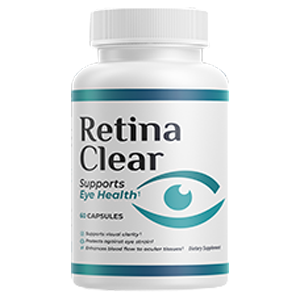 RetinaClear is a dietary supplement marketed for adults interested in maintaining healthy vision and supporting different structures of the eye.
The official website describes the formula as a combination of seven ingredients intended to support:
- Retinal and macular health.
- Healthy eye function.
- Lens clarity.
- Visual acuity and focus.
- Circulation and blood flow.
- General eye wellness.
The label transcription published by a third-party product-information website describes a more detailed formula containing seven nutrients and a proprietary blend of 14 additional compounds.
The seven nutrients are:
- Vitamin A as beta-carotene.
- Vitamin C.
- Vitamin E.
- Zinc.
- Selenium.
- Copper.
- Chromium.
The 14-ingredient proprietary blend reportedly includes taurine, ginkgo biloba, eyebright, grape seed extract, coleus forskohlii, alpha-lipoic acid, rutin, quercetin, bilberry, saffron, lycopene, lutein, zeaxanthin, and astaxanthin.
The main limitation is that the individual quantities of these 14 ingredients are not disclosed. The label reportedly provides only their combined weight of 351 mg.
RetinaClear is a dietary supplement, not an eye medication. It should not replace prescription eye drops, glasses, surgery, routine eye examinations, or treatment recommended by an ophthalmologist.
How Does RetinaClear Work?
RetinaClear’s proposed approach combines vitamins, minerals, carotenoids, and botanical extracts associated with different aspects of eye health.
Its formula is marketed around four main areas.
1. Providing Antioxidant Support
The retina is exposed to light and has a high metabolic demand. Oxidative stress is one of the biological processes researchers have investigated in relation to age-related eye conditions.
Vitamins C and E, selenium, zinc, and several plant compounds participate in antioxidant-related processes. However, antioxidant activity does not automatically mean a supplement prevents eye disease or restores lost vision.
2. Supporting Macular Pigments
Lutein and zeaxanthin are carotenoids found in the retina, particularly in the macula. They contribute to macular pigment and have been studied for their potential role in protecting retinal tissue from oxidative stress and high-energy light.
These nutrients were important components of the AREDS2 research program. However, the amounts used in that clinical trial were specifically defined, whereas RetinaClear’s reported label places lutein and zeaxanthin inside an undisclosed proprietary blend.
3. Supporting Normal Visual Function
Vitamin A is essential for normal vision because it contributes to the visual cycle involved in detecting light. Zinc also participates in vitamin A metabolism and normal retinal function.
These nutrients help explain the nutritional rationale behind eye-health supplements. However, additional supplementation is not automatically beneficial for people who already receive adequate amounts through their diet.
4. Supporting General Eye Wellness
Other ingredients, including bilberry, ginkgo, quercetin, rutin, and grape seed extract, are included in the reported formula for their potential antioxidant or circulation-related properties.
Research on these ingredients varies considerably. Some studies involve laboratory experiments, while others examine specific health conditions or standardized extracts. Those findings cannot establish that RetinaClear improves eyesight.
Important distinction: RetinaClear’s proposed mechanisms are based on the general biological roles of its reported ingredients. No published clinical trial of the complete RetinaClear formula was identified.
RetinaClear Key Ingredients
The reported RetinaClear label contains seven nutrients with individual amounts and a 14-ingredient proprietary blend totaling 351 mg.
Reported Supplement Facts Per Capsule
| Ingredient | Reported Amount | Daily Value |
|---|---|---|
| Vitamin A (as beta-carotene) | 450 mcg RAE | 50% |
| Vitamin C | 90 mg | 100% |
| Vitamin E | 15 mg | 100% |
| Zinc | 11 mg | 100% |
| Selenium | 20 mcg | 36% |
| Copper | 0.9 mg | 100% |
| Chromium | 15 mcg | 43% |
| 14-Ingredient Proprietary Blend | 351 mg | Daily Value not established |
1. Lutein and Zeaxanthin
Lutein and zeaxanthin are carotenoids that accumulate in the macula, the central part of the retina responsible for detailed vision.
They are among the most researched nutrients in the eye-health supplement category. Their role in the AREDS2 study makes them particularly relevant when evaluating products marketed for macular health.
The AREDS2 trial included 4,203 participants aged 50 to 85 who were at risk of progression to advanced AMD. Researchers investigated lutein at 10 mg and zeaxanthin at 2 mg alongside other nutritional components.
The National Eye Institute explains that the AREDS2 formulation can reduce the risk of progression from intermediate to advanced AMD by approximately 25% in the appropriate patient population. It does not prevent AMD from developing in healthy eyes.
RetinaClear’s reported formula includes lutein and zeaxanthin, but their individual amounts are not disclosed. Therefore, it cannot be considered equivalent to the AREDS2 formulation.
Research:
- AREDS2 Randomized Clinical Trial: Lutein, Zeaxanthin, and Omega-3 Fatty Acids.
- National Eye Institute: AREDS and AREDS2 Clinical Trials.
- National Eye Institute: AREDS2 Frequently Asked Questions.
2. Bilberry Extract
Bilberry (Vaccinium myrtillus) is a berry that contains anthocyanins, naturally occurring plant pigments with antioxidant properties.
It is commonly included in supplements marketed for eye health, night vision, and circulation. However, evidence supporting these claims in humans remains limited.
A major challenge is that bilberry products can differ in anthocyanin concentration, extract standardization, and dose. Research involving a standardized bilberry preparation cannot automatically be applied to an undisclosed amount in a proprietary blend.
RetinaClear does not reveal the amount of bilberry extract per capsule.
Research:
- PubMed: Bilberry Extract and Human Vision Research.
- Google Scholar: Bilberry Anthocyanins and Eye Health.
3. Vitamin C
Vitamin C is an essential antioxidant nutrient involved in collagen formation and normal tissue function. It is also present in high concentrations in the aqueous humor, the fluid inside the front part of the eye.
The reported RetinaClear label provides 90 mg of vitamin C per capsule, equivalent to 100% of the Daily Value.
The AREDS and AREDS2 research programs used a much higher vitamin C amount of 500 mg as part of a specific combination of nutrients. However, that does not mean that every eye-health supplement needs to contain the same amount or that vitamin C alone produces the same results.
Research:
NIH Office of Dietary Supplements: Vitamin C.
4. Vitamin E
Vitamin E is a fat-soluble antioxidant that helps protect cell membranes from oxidative damage.
The reported RetinaClear label provides 15 mg of vitamin E per capsule, equivalent to 100% of the Daily Value.
The original AREDS formulation used 400 IU of vitamin E alongside vitamin C, beta-carotene, zinc, and copper. That formulation was tested as a combination, so its results should not be attributed to vitamin E alone.
Research:
- NIH Office of Dietary Supplements: Vitamin E.
- PubMed: Vitamin E and Age-Related Macular Degeneration.
5. Zinc
Zinc is an essential mineral involved in immune function, cell growth, and normal vision. It also participates in the metabolism of vitamin A.
The reported RetinaClear label provides 11 mg of zinc per capsule.
The AREDS2 formulation used 80 mg of zinc in its original version, with a lower-dose 25 mg option also evaluated. These doses were studied in people with specific stages of AMD and should not be treated as general supplementation recommendations.
Research:
NIH Office of Dietary Supplements: Zinc.
6. Ginkgo Biloba
Ginkgo biloba is a botanical extract studied for its possible effects on circulation and cognitive function. It is also included in some supplements marketed for eye health.
However, evidence that ginkgo improves vision or treats glaucoma is insufficient. Research involving blood flow or other health outcomes does not establish that it improves retinal function.
Ginkgo can also interact with medications, particularly anticoagulants and antiplatelet drugs.
Research:
- National Center for Complementary and Integrative Health: Ginkgo.
- PubMed: Ginkgo Biloba and Glaucoma Research.
7. Quercetin, Rutin, and Grape Seed Extract
These three plant-derived compounds are included in the reported proprietary blend.
Quercetin is a flavonoid found in various fruits and vegetables. Rutin is another plant flavonoid, while grape seed extract contains proanthocyanidins.
Researchers have investigated these compounds for antioxidant and vascular-related effects. However, much of the research is laboratory-based or involves outcomes unrelated to eyesight.
There is insufficient clinical evidence to conclude that these ingredients, at the undisclosed amounts in RetinaClear, improve visual acuity or prevent eye disease.
Research:
- PubMed: Quercetin and Eye Health.
- PubMed: Grape Seed Extract and Retinal Research.
- Google Scholar: Rutin and Retinal Health.
Other Reported Ingredients
The proprietary blend also lists taurine, eyebright, coleus forskohlii, alpha-lipoic acid, saffron, lycopene, and astaxanthin.
These compounds have different research backgrounds:
- Taurine: An amino acid-like compound found in the retina and other tissues. It participates in several cellular functions, but supplementation has not been established as a treatment for common eye diseases.
- Eyebright: A traditional botanical used in preparations for eye comfort. Reliable human clinical evidence for improving vision is limited.
- Coleus forskohlii: A botanical source of forskolin, which has been investigated in relation to intraocular pressure. Evidence is not sufficient to establish it as a glaucoma treatment.
- Alpha-lipoic acid: An antioxidant studied in several health contexts, but its specific contribution to eye health at the undisclosed RetinaClear dose is unknown.
- Saffron: Contains carotenoid-related compounds and has been investigated in small studies involving retinal function and AMD. Results from specific saffron preparations cannot be assumed to apply to RetinaClear.
- Lycopene: A carotenoid found in tomatoes and other foods. It has antioxidant properties, but product-specific vision benefits are not established.
- Astaxanthin: A carotenoid studied for antioxidant effects and possible eye-fatigue outcomes. More robust human evidence is needed.
Research:
- PubMed: Saffron and Age-Related Macular Degeneration.
- PubMed: Astaxanthin and Eye Fatigue.
- PubMed: Taurine and Retinal Health.
- Google Scholar: Forskolin and Intraocular Pressure.
How Does RetinaClear Compare With AREDS2?
The AREDS2 formula is one of the most important evidence-based nutritional approaches for certain people with age-related macular degeneration.
The National Eye Institute describes the AREDS2 formulation as containing:
| AREDS2 Nutrient | Daily Amount |
|---|---|
| Vitamin C | 500 mg |
| Vitamin E | 400 IU |
| Zinc | 80 mg |
| Copper | 2 mg |
| Lutein | 10 mg |
| Zeaxanthin | 2 mg |
RetinaClear’s reported label differs substantially:
- It provides 90 mg of vitamin C rather than 500 mg.
- It provides 15 mg of vitamin E rather than 400 IU.
- It provides 11 mg of zinc rather than 80 mg.
- It provides 0.9 mg of copper rather than 2 mg.
- It does not disclose the individual amounts of lutein and zeaxanthin.
Therefore, RetinaClear should not be described as an AREDS2-equivalent formula. People with intermediate AMD or advanced AMD in one eye should ask their ophthalmologist whether an AREDS2 formulation is appropriate.
RetinaClear Benefits
RetinaClear is marketed for several aspects of eye wellness. Based on its reported ingredients, the following are reasonable areas of nutritional support to discuss without presenting them as proven product outcomes.
- Provides essential vitamins and minerals involved in normal eye function.
- Supplies carotenoids such as lutein and zeaxanthin, which are found in the retina.
- Supports normal antioxidant activity through vitamins C and E.
- Combines plant-derived compounds investigated for antioxidant properties.
- Contributes zinc and vitamin A precursors involved in normal visual function.
- Offers a convenient capsule format for daily nutritional supplementation.
These are ingredient-based observations. There is insufficient clinical evidence to claim that RetinaClear improves eyesight, restores visual acuity, eliminates dry eyes, prevents glaucoma, or reverses macular degeneration.
RetinaClear Pros and Cons
Pros
- Includes vitamins and minerals involved in normal eye function.
- Reported formula contains lutein and zeaxanthin, two carotenoids studied in AREDS2.
- Contains vitamin C, vitamin E, zinc, and copper.
- Combines several botanical and antioxidant ingredients.
- Uses a once-daily capsule format according to the reported label.
- Offers discounted three- and six-bottle packages.
- Advertises a money-back guarantee.
Cons
- The official sales page does not clearly display a complete readable Supplement Facts panel.
- Fourteen ingredients are grouped into a 351 mg proprietary blend.
- Individual lutein and zeaxanthin amounts are not disclosed.
- The formula is not equivalent to the clinically studied AREDS2 formulation.
- No published clinical trial of the complete RetinaClear formula was identified.
- Some promotional claims, including glaucoma prevention and combating dry eyes, are not established by the available evidence.
- Other websites using the RetinaClear name publish different ingredient lists and bottle details.
- The single-bottle package includes an additional shipping charge.
RetinaClear Comparison Table With Alternatives
The following options have different purposes and evidence bases. They are not direct substitutes, and the appropriate choice depends on a person’s eye-health needs and medical history.
| Product or Option | Format | Main Focus | Important Consideration |
|---|---|---|---|
| RetinaClear | Capsules | General eye-health nutritional support | 14-ingredient proprietary blend with undisclosed individual amounts |
| AREDS2 Formula | Capsules or softgels | Reducing progression risk in eligible AMD patients | Clinically studied formulation; discuss suitability with an eye specialist |
| Standalone Lutein and Zeaxanthin | Capsules or softgels | Macular carotenoid intake | Check individual doses and avoid assuming it replaces AREDS2 |
| Omega-3 Supplements | Fish oil or algae oil | Essential fatty acid intake | AREDS2 did not show an additional overall AMD-progression benefit from omega-3 supplementation |
| Artificial Tears | Eye drops | Temporary relief of dry-eye symptoms | Provides local lubrication rather than nutritional support |
| Routine Eye Examination | Professional eye care | Detecting and monitoring eye conditions | Important for identifying glaucoma, AMD, cataracts, and retinal problems |
For people with diagnosed AMD, an ophthalmologist can determine whether an AREDS2 formulation is appropriate. People experiencing dry eyes may need lubricating drops or evaluation of the underlying cause rather than an oral supplement.
RetinaClear Customer Reviews
The RetinaClear sales page displays a customer rating of 4.91 out of 5 based on more than 79,200 reviews.
This is an exceptionally large seller-published review figure. However, I could not independently verify the full review dataset, the number of confirmed purchases, or how the rating was calculated.
The website also displays testimonials describing improvements in eye comfort, visual clarity, and general satisfaction.
These accounts should be treated as individual customer experiences rather than clinical evidence. A person’s perceived improvement may also be influenced by changes in lighting, screen habits, prescription glasses, eye drops, or other factors.
When evaluating RetinaClear feedback, I would look for:
- Verified purchases: Reviews connected to actual orders.
- Specific experiences: Comments explaining the duration of use and the type of outcome reported.
- Independent feedback: Reviews collected outside the seller’s own website.
- Balanced opinions: Both positive and negative experiences rather than promotional testimonials alone.
Editorial assessment: The 4.91/5 rating is a seller-published figure and should not be interpreted as proof that RetinaClear improves vision or prevents eye disease.
Who Should Use or Avoid RetinaClear?
Who May Consider It?
Adults interested in general nutritional support for eye health may consider reviewing RetinaClear’s label if they understand its limitations and have checked the ingredients with a healthcare professional.
It may appeal to people who:
- Want a supplement containing vitamins and minerals involved in normal eye function.
- Are interested in lutein and zeaxanthin supplementation.
- Prefer a combined formula instead of several separate supplements.
- Understand that an eye-health supplement cannot replace professional eye care.
Who Should Avoid It or Seek Medical Advice First?
Certain groups should be especially cautious:
- Current and former smokers: The reported formula contains beta-carotene. Discuss this with a healthcare professional before using the supplement, particularly if considering long-term supplementation.
- People taking blood thinners: Ginkgo, grape seed, and other botanical ingredients may affect bleeding risk or medication interactions.
- People with glaucoma: Do not use RetinaClear as a substitute for prescribed eye drops, laser treatment, or surgery.
- People with AMD: Ask an ophthalmologist whether a clinically studied AREDS2 formula is appropriate.
- Pregnant or breastfeeding individuals: The safety of the complete botanical combination is not established.
- People scheduled for surgery: Discuss all supplements with the treating clinician before surgery.
- People with chronic medical conditions: Review the complete ingredient list with a healthcare professional or pharmacist.
RetinaClear Side Effects and Safety
RetinaClear contains vitamins, minerals, and botanical extracts. Although several are commonly used in dietary supplements, the complete formula may not be appropriate for everyone.
The undisclosed amounts in its proprietary blend also make it difficult to assess dose-related risks.
Beta-Carotene and Smoking History
The reported label lists 450 mcg RAE of vitamin A from beta-carotene.
This deserves particular attention because large clinical trials have associated high-dose beta-carotene supplementation with increased lung cancer risk in smokers and former smokers.
The AREDS2 formula deliberately replaced beta-carotene with lutein and zeaxanthin because of this concern.
The amount reported in RetinaClear is much lower than the beta-carotene doses used in those trials, so the trial findings should not be directly applied to this product. Nevertheless, people who currently smoke or smoked in the past should discuss the ingredient with their healthcare professional before using it.
Research:
- National Eye Institute: Why AREDS2 Excludes Beta-Carotene.
- AREDS2 Report 28: Long-Term Outcomes and Beta-Carotene Safety.
Ginkgo and Medication Interactions
Ginkgo biloba may cause headache, digestive discomfort, and allergic skin reactions. It may also increase bleeding concerns when combined with anticoagulant or antiplatelet medication.
People taking warfarin, aspirin, clopidogrel, or other blood-thinning medication should obtain professional advice before using a supplement containing ginkgo.
Source: NCCIH: Ginkgo Safety and Interactions.
Vitamin and Mineral Considerations
RetinaClear provides vitamin C, vitamin E, zinc, selenium, copper, and chromium.
These nutrients are important for normal physiological function, but taking several supplements at the same time can increase total daily intake.
People who already use a multivitamin or another eye-health formula should check for overlapping ingredients. Excessive intake of certain vitamins and minerals can cause adverse effects.
Research:
Important Eye-Health Warning
RetinaClear is a dietary supplement, not an FDA-approved treatment for glaucoma, cataracts, macular degeneration, diabetic retinopathy, or dry-eye disease.
The company’s statement that the product is manufactured in an FDA-registered facility does not mean the finished supplement is FDA-approved.
Do not delay an eye examination or stop prescribed treatment because of a supplement. Sudden vision loss, new flashes or floaters, a curtain-like shadow, severe eye pain, or sudden double vision requires urgent medical assessment.
RetinaClear Pricing and Packages
The supplied official sales page advertises three package options.
| Package | Total Price | Price Per Bottle | Advertised Supply | Shipping |
|---|---|---|---|---|
| 1 Bottle | $69 + $9.99 | $69 | 30 Days | $9.99 |
| 3 Bottles | $177 | $59 | 90 Days | Free U.S. shipping |
| 6 Bottles | $294 | $49 | 180 Days | Free U.S. shipping |
The six-bottle package has the lowest advertised per-bottle price. The three-bottle package offers a smaller initial purchase and includes free shipping.
The sales page also advertises:
- A money-back guarantee covering returned bottles, including empty bottles.
- A free bonus book with the three-bottle package.
- Two free bonus books with the six-bottle package.
- VIP premium support with the six-bottle package.
- One-time payment with no automatic subscription, according to the sales page.
Guarantee clarification: The supplied sales page advertises a 100% money-back guarantee but does not clearly establish the full return window in the captured sales information. Confirm the number of days, return address, shipping costs, and eligibility requirements in the checkout terms before ordering.
10 Frequently Asked Questions About RetinaClear
1. What is RetinaClear used for?
RetinaClear is marketed as an eye-health supplement intended to support healthy vision, retinal and macular wellness, lens clarity, and visual focus. Its reported formula contains vitamins, minerals, carotenoids, and botanical extracts.
2. Does RetinaClear really improve eyesight?
There is insufficient clinical evidence to confirm that RetinaClear improves eyesight or visual acuity. Some of its reported ingredients have been studied for eye health, but no published clinical trial of the complete formula was identified.
3. What are the main ingredients in RetinaClear?
The reported label lists vitamins A, C, and E, zinc, selenium, copper, and chromium. It also includes a 351 mg proprietary blend containing taurine, ginkgo, eyebright, grape seed, coleus forskohlii, alpha-lipoic acid, rutin, quercetin, bilberry, saffron, lycopene, lutein, zeaxanthin, and astaxanthin.
4. Does RetinaClear contain lutein and zeaxanthin?
Yes. Both ingredients appear in the reported proprietary blend. However, their individual amounts are not disclosed, so it is impossible to determine whether RetinaClear provides the 10 mg lutein and 2 mg zeaxanthin used in the AREDS2 clinical trial.
5. Is RetinaClear the same as AREDS2?
No. The reported RetinaClear formula differs from the AREDS2 formulation in its nutrient amounts and ingredient combination. It should not be considered an AREDS2-equivalent supplement. People with AMD should ask their ophthalmologist whether an AREDS2 formula is appropriate.
6. Can RetinaClear treat glaucoma or cataracts?
No. RetinaClear has not been established as a treatment for glaucoma or cataracts. These conditions require professional diagnosis and appropriate medical or surgical management.
7. How do you take RetinaClear?
The official website recommends one capsule with a large glass of water, preferably on an empty stomach. However, buyers should follow the directions printed on the actual bottle received and confirm the serving size with the manufacturer.
8. Can smokers take RetinaClear?
People who currently smoke or smoked in the past should consult a healthcare professional before using it because the reported formula contains beta-carotene. High-dose beta-carotene supplements have been associated with increased lung cancer risk in smokers and former smokers.
9. Does RetinaClear have side effects?
Potential concerns depend on the ingredients and individual health conditions. Ginkgo may increase bleeding concerns with certain medications, while excessive vitamin and mineral intake can cause adverse effects. The undisclosed proprietary-blend amounts make a complete safety assessment difficult.
10. How much does RetinaClear cost?
The supplied website advertises one bottle for $69 plus $9.99 shipping, three bottles for $177 with free U.S. shipping, and six bottles for $294 with free U.S. shipping. The per-bottle price ranges from $69 to $49.
Final Verdict: Is RetinaClear Worth Considering?
RetinaClear combines several nutrients and botanical ingredients associated with eye-health research. Its reported formula includes vitamin C, vitamin E, zinc, copper, lutein, zeaxanthin, bilberry, and other antioxidant compounds.
The inclusion of lutein and zeaxanthin is particularly relevant because these carotenoids were studied in the AREDS2 clinical trial. However, RetinaClear does not disclose their individual amounts, making it impossible to determine whether the formula provides doses comparable to the research.
There are also important differences between RetinaClear and AREDS2. The reported vitamin C, vitamin E, zinc, and copper amounts are lower than those in the AREDS2 formulation, while the 14 additional ingredients are grouped into a proprietary blend.
Another limitation is the absence of a published clinical trial testing the complete RetinaClear formula. Ingredient research cannot establish that the finished product improves eyesight, prevents glaucoma, treats dry eyes, or reverses age-related vision changes.