
SynoCell Review: Can It Really Relieve Joint Pain and Improve Mobility?
SynoCell is a dietary supplement marketed for joint comfort, mobility, cartilage support, and relief from knee, back, neck, and other joint discomfort. The official SynoCell website describes it as a “Triple Relief Formula” intended to address inflammation, cartilage support, and joint lubrication.
The formula currently shown on the official SynoCell product page contains avocado/soybean unsaponifiables (ASU), quercetin, Boswellia serrata extract, hyaluronic acid, and BioPerine. However, other SynoCell pages currently display a substantially different six-ingredient formula containing glucosamine, MSM, bromelain, Boswellia, hyaluronic acid, quercetin, and BioPerine.
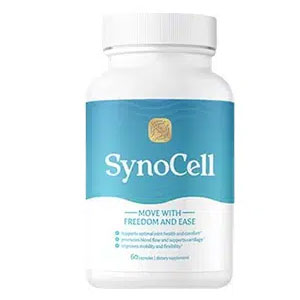
That formulation discrepancy is one of the most important findings in this SynoCell review. The evidence for an ingredient can only be meaningfully applied to the product when the ingredient, dose, extract, and formulation are actually the same.
My overall verdict: SynoCell contains several ingredients with legitimate research behind them, particularly Boswellia and, depending on the version, glucosamine, MSM, and oral hyaluronic acid. But the evidence does not establish that SynoCell can rebuild worn-out cartilage, stop joint destruction, or reliably eliminate chronic pain. Those marketing claims go substantially beyond what current clinical evidence supports.
Quick SynoCell Review Summary
| Category | Assessment |
|---|---|
| Product type | Joint-health dietary supplement |
| Primary purpose | Joint comfort, mobility, cartilage and inflammation support |
| Current formula shown on synocell.com | ASU, quercetin, Boswellia, hyaluronic acid, BioPerine |
| Alternative formula shown on another SynoCell page | Glucosamine, MSM, Boswellia, hyaluronic acid, bromelain, quercetin, BioPerine |
| Product-specific clinical trial | Not identified |
| Best-supported ingredient | Boswellia has encouraging evidence for osteoarthritis symptoms |
| Evidence for cartilage regeneration | Insufficient to support strong regeneration claims |
| Official listed price | $59 for one bottle; $147 for three; $234 for six on one current product page |
| Money-back guarantee | 90 days advertised by the official website |
| Overall assessment | Potentially useful as an adjunct for joint comfort, but not clinically proven to restore damaged cartilage or eliminate pain |
What Is SynoCell?
SynoCell is marketed as a natural joint-support supplement for people dealing with stiffness, reduced mobility, and joint or back discomfort. The official website says its formula works through three proposed areas: reducing inflammation, supporting cartilage, and improving lubrication.
The product is particularly marketed toward people with age-related joint problems and osteoarthritis-like symptoms. The website uses strong language about “stopping” inflammatory processes, restoring cartilage, and helping people avoid surgery or pain medication.
Those claims need to be separated from the scientific evidence.
Osteoarthritis is a complex disease involving cartilage changes, bone remodeling, inflammation, pain sensitization, muscle weakness, and biomechanical factors. A supplement may potentially improve symptoms without reversing the underlying structural disease.
That distinction is important because symptom relief and cartilage regeneration are not the same outcome.
SynoCell Ingredients: An Important Formulation Issue
The current official product page on SynoCell.com lists a serving size of two capsules and 30 servings per container. Its Supplement Facts panel provides:
- Avocado/Soybean Unsaponifiables (ASU) — 310 mg
- Quercetin — 310 mg
- Boswellia serrata extract — 200 mg, standardized to 65% boswellic acid
- Hyaluronic acid — 180 mg
- BioPerine black pepper extract — 5 mg
However, another SynoCell-branded website currently presents a different Supplement Facts panel:
- Glucosamine potassium sulfate — 600 mg
- MSM — 245 mg
- Boswellia serrata extract — 150 mg
- Hyaluronic acid — 125 mg
- Bromelain — 75 mg
- Quercetin — 75 mg
- BioPerine — 5 mg
These are not minor differences. They represent materially different formulas.
Therefore, throughout this review, I distinguish between the current formula displayed on SynoCell.com and evidence for ingredients appearing in the alternative SynoCell formulation.
Boswellia: The Strongest Evidence in the Formula
Boswellia serrata is an herbal extract derived from the resin of the Boswellia tree. It contains boswellic acids and has been investigated extensively for osteoarthritis-related symptoms.
This is one area where the marketing has a reasonable scientific foundation, although it still overstates the evidence.
A 2020 systematic review and meta-analysis included seven randomized trials involving 545 people with osteoarthritis. The researchers found that Boswellia or Boswellia extracts were associated with improvements in pain, stiffness, and physical function compared with controls.
Boswellia osteoarthritis systematic review — PubMed
A 2024 systematic review and meta-analysis included nine randomized controlled trials involving 712 participants and also found improvements in pain, stiffness, and function. However, the researchers noted that standardized extracts may perform differently and that additional comparative research is needed.
2024 Boswellia systematic review — PubMed
A newer 2024 meta-analysis provides an important qualification: when all Boswellia studies were pooled, the overall effect was not statistically significant because of substantial heterogeneity. A subgroup analysis did find benefit against placebo, but the authors still called for higher-quality research.
2024 Boswellia meta-analysis — PubMed
Evidence assessment: Boswellia is one of SynoCell’s more credible ingredients for short-term osteoarthritis symptom support, but it should not be described as proven to regenerate cartilage or reverse osteoarthritis.
Avocado/Soybean Unsaponifiables (ASU)
ASU is a mixture derived from avocado and soybean oils. It has been investigated for osteoarthritis because of its potential effects on cartilage metabolism and inflammatory pathways.
A systematic review and meta-analysis of dietary supplements for osteoarthritis found that ASU produced statistically significant improvements in pain, although the clinical importance of the effect was uncertain. The same review found that no supplement demonstrated clinically important long-term pain reduction with strong certainty.
Dietary supplements for osteoarthritis systematic review — PubMed
This is a useful example of why SynoCell’s cartilage claims should be interpreted cautiously.
ASU may influence pathways involved in cartilage and inflammation, but that does not demonstrate that it can rebuild severely damaged cartilage in humans.
The current SynoCell formula provides 310 mg per serving, but the clinical evidence for ASU involves specific products and doses, so direct equivalence cannot be assumed.
Evidence assessment: Some supportive evidence for osteoarthritis symptoms, but not proof of cartilage regeneration.
Quercetin
Quercetin is a plant flavonoid with antioxidant and anti-inflammatory properties. SynoCell describes it as an ingredient that can “rejuvenate” cartilage and bone.
That wording is considerably stronger than the available clinical evidence.
Much of the scientific interest in quercetin comes from laboratory and preclinical research. Human evidence specifically demonstrating that oral quercetin reverses cartilage loss or regenerates osteoarthritic joints is limited.
The current SynoCell formula lists 310 mg of quercetin per serving.
There is therefore a plausible biological rationale, but plausibility is not equivalent to clinical proof.
Evidence assessment: Interesting anti-inflammatory compound, but insufficient evidence to support claims that it regrows cartilage or reverses age-related joint degeneration.
Hyaluronic Acid
Hyaluronic acid is naturally present in synovial fluid and contributes to the lubrication and viscoelastic properties of joints.
SynoCell markets oral hyaluronic acid as a way to lubricate joints and improve flexibility.
Unlike some ingredients in the formula, oral hyaluronic acid actually has a growing human evidence base.
A 2024 systematic review examined 11 studies involving 597 patients with osteoarthritis or low back pain. Oral doses ranged from 30 to 300 mg per day, and nine of the 11 studies reported improvements in outcomes such as pain, WOMAC scores, joint function, quality of life, or stiffness. Adverse effects were uncommon and generally mild. However, the authors concluded that more research is needed.
Oral hyaluronic acid systematic review — PMC
The current SynoCell formula provides 180 mg per two-capsule serving, which falls within the broad dosage range represented in this review.
That makes oral hyaluronic acid one of the more interesting components of the current formulation.
However, oral hyaluronic acid should not be confused with intra-articular hyaluronic acid injections. Injectable products deliver hyaluronic acid directly into a joint, while oral supplements must undergo digestion and absorption before potentially influencing tissues.
Evidence assessment: Promising human evidence for symptom and function outcomes, but more high-quality trials are needed.
Glucosamine
Glucosamine appears in the alternative SynoCell formulation, not the current Supplement Facts panel displayed on SynoCell.com.
Glucosamine is a structural component involved in cartilage biology and has been extensively studied for osteoarthritis.
A Cochrane review included 25 studies involving 4,963 participants. The results were mixed: higher-quality studies did not show clear benefit for several pain and function measures, although certain glucosamine preparations and outcome measures showed improvement.
Cochrane review of glucosamine for osteoarthritis
This is another ingredient where the specific formulation matters. Evidence for one branded glucosamine preparation cannot automatically be applied to every glucosamine supplement.
Evidence assessment: Extensive research but mixed clinical results; not a universally effective cartilage-restoration treatment.
MSM
MSM, or methylsulfonylmethane, is another ingredient appearing in the alternative SynoCell formulation.
A systematic review found some positive results from MSM trials but concluded that the evidence was not definitive and that questions remained about optimal dosage and treatment duration.
MSM osteoarthritis systematic review — PubMed
A later meta-analysis also found that the overall pain reduction associated with MSM was neither statistically nor clinically significant, although the evidence base was small and heterogeneous.
MSM osteoarthritis meta-analysis — PubMed
Evidence assessment: Some encouraging findings, but not enough evidence to describe MSM as a proven treatment for osteoarthritis pain.
Bromelain
Bromelain is a mixture of proteolytic enzymes derived from pineapple. It appears in the alternative SynoCell formulation.
Clinical research on bromelain and osteoarthritis has produced mixed results.
In a randomized, double-blind placebo-controlled pilot trial involving 47 people with moderate-to-severe knee osteoarthritis, 800 mg/day of bromelain for 12 weeks did not produce a statistically significant improvement over placebo in the primary outcome.
Bromelain randomized placebo-controlled trial — PubMed
Another small study using 500 mg/day for 16 weeks reported improvements from baseline, but the study was not designed to establish superiority over placebo and its conclusions were limited.
Bromelain 16-week knee OA study — PubMed
The alternative SynoCell formula lists only 75 mg of bromelain per serving, which is also substantially different from doses used in some clinical studies.
Evidence assessment: Interesting but inconsistent evidence, with limited ability to apply research findings directly to SynoCell.
Does SynoCell Really Work?
The answer depends on what “work” means.
If the question is whether some ingredients in SynoCell may help joint discomfort, stiffness, or mobility, the answer is reasonably plausible.
Boswellia has several systematic reviews and randomized trials supporting potential improvements in osteoarthritis symptoms. Oral hyaluronic acid also has emerging clinical evidence. ASU, glucosamine, MSM, and bromelain have varying degrees of evidence.
If the question is whether SynoCell has been proven to stop cartilage destruction, rebuild worn-out joints, or eliminate chronic joint pain, the answer is no.
I did not identify a peer-reviewed randomized controlled trial testing the complete SynoCell formulation.
That distinction is particularly important because the official website uses claims such as “stops joint destruction,” “rebuild worn-out joints,” and “restore mobility.”
Those claims should be regarded as marketing claims rather than established clinical outcomes.
Potential SynoCell Benefits
Based on the available ingredient research, reasonable potential benefits include:
- Possible reduction in mild-to-moderate joint discomfort
- Potential improvement in stiffness and physical function
- Possible support for joint mobility
- Potential support for a healthy inflammatory response
- Possible support for joint lubrication and comfort
- Convenient combination of several researched joint-health ingredients
These are potential benefits, not guaranteed outcomes.
What SynoCell Cannot Currently Be Proven to Do
The evidence does not justify saying that SynoCell:
- Stops osteoarthritis or joint destruction
- Regrows severely damaged cartilage
- Reverses “bone-on-bone” osteoarthritis
- Eliminates chronic pain
- Prevents joint-replacement surgery
- Restores joints to their condition in youth
- Works within seven days for everyone
The official website makes several of these types of claims, including claims about stopping joint destruction and rebuilding worn-out joints.
SynoCell Safety and Side Effects
The safety profile depends on which SynoCell formula is actually being consumed.
For the current formula, Boswellia, quercetin, hyaluronic acid, ASU, and piperine are generally used in dietary supplements, but “natural” does not mean risk-free.
Possible issues include:
- Gastrointestinal discomfort
- Allergic reactions to botanical ingredients
- Potential medication interactions
- Potential interaction concerns from piperine, which can affect drug metabolism
The alternative formula contains glucosamine. The manufacturer specifically warns people with shellfish allergies to consult a healthcare provider because glucosamine is commonly derived from shellfish.
Anyone taking anticoagulants, antiplatelet drugs, diabetes medication, or multiple prescription medications should discuss SynoCell with a healthcare professional before use.
People who are pregnant or breastfeeding should also consult a healthcare professional before taking a multi-ingredient joint supplement.
Who May Consider SynoCell?
SynoCell may be worth considering for an adult who:
- Has occasional or mild joint stiffness
- Wants to try a dietary supplement alongside conventional joint-care strategies
- Is interested in Boswellia or oral hyaluronic acid
- Understands that symptom support is different from cartilage regeneration
- Has checked the exact Supplement Facts label before purchasing
Who Should Use Caution?
Extra caution is appropriate for people who:
- Have severe or rapidly worsening joint pain
- Have significant swelling, redness, or warmth around a joint
- Have suffered a recent joint injury
- Have a shellfish allergy if using a glucosamine-containing version
- Take anticoagulant or antiplatelet medication
- Take multiple prescription medications
- Are pregnant or breastfeeding
- Have been told they have advanced osteoarthritis or may need surgery
Severe joint pain should not be managed solely with a supplement. Persistent symptoms may require physical therapy, exercise-based treatment, weight management when appropriate, medication, imaging, injections, or surgery depending on the diagnosis.
SynoCell Price and Value
The current SynoCell product page lists the product at $59 for one bottle, $147 for three bottles, and $234 for six bottles.
The site also advertises a 90-day money-back guarantee.
A separate SynoCell marketing page has displayed different pricing, including $99 per bottle, illustrating why consumers should verify the final checkout price before ordering.
| Package | Current Listed Price | Approx. Price Per Bottle |
|---|---|---|
| 1 bottle | $59 | $59 |
| 3 bottles | $147 | $49 |
| 6 bottles | $234 | $39 |
From a value perspective, the six-bottle option has the lowest advertised per-bottle price. But I would not recommend purchasing a large quantity simply because of the discount, particularly while different SynoCell pages display different formulations.
The guarantee is useful, but consumers should review the exact refund terms before placing a large order. Independent customer feedback has included complaints about how refunds were handled, although such reviews are individual experiences rather than proof of a general policy.
SynoCell Pros and Cons
Pros
- Contains several ingredients with legitimate joint-health research
- Boswellia has multiple systematic reviews supporting potential osteoarthritis symptom improvement
- Oral hyaluronic acid has encouraging emerging human evidence
- Convenient multi-ingredient formulation
- 90-day guarantee is advertised
- Current formula provides the exact amounts of its listed ingredients
Cons
- No identified clinical trial testing the complete SynoCell formula
- Different SynoCell websites currently show materially different formulations
- Strong cartilage-regeneration claims are not supported by equivalent clinical evidence
- Some ingredient evidence is mixed or low certainty
- Glucosamine evidence is inconsistent
- Bromelain evidence for osteoarthritis is mixed
- People taking medication may need to consider potential interactions
- Large package purchases may be difficult to justify without stronger product-specific evidence
Frequently Asked Questions
What is SynoCell?
SynoCell is a dietary supplement marketed for joint comfort, mobility, cartilage support, and inflammation-related joint discomfort. The current SynoCell.com product page describes a formula containing ASU, quercetin, Boswellia, hyaluronic acid, and BioPerine.
What are the main SynoCell ingredients?
The current SynoCell.com formula lists ASU, quercetin, Boswellia serrata extract, hyaluronic acid, and BioPerine. Another SynoCell-branded website lists glucosamine, MSM, bromelain, Boswellia, hyaluronic acid, quercetin, and BioPerine instead. Consumers should verify the label of the exact product they receive.
Does SynoCell really work for joint pain?
Some ingredients in SynoCell have evidence suggesting they may reduce osteoarthritis-related pain or stiffness. Boswellia has particularly encouraging evidence. However, the complete SynoCell formula has not been established as effective in a published randomized clinical trial.
Can SynoCell rebuild cartilage?
There is insufficient evidence to conclude that SynoCell can rebuild severely damaged cartilage or reverse osteoarthritis. Some ingredients may support cartilage-related biological processes, but that is different from demonstrating regeneration of damaged human joints.
How long does SynoCell take to work?
There is no independently established timeframe for the complete product. Some Boswellia trials have reported symptom improvements within several weeks, while other studies have evaluated outcomes over months.
Is SynoCell safe?
The ingredients are generally used in dietary supplements, but individual safety depends on the formula, dose, medical conditions, and medications. People taking prescription drugs or using the glucosamine-containing version with a shellfish allergy should consult a healthcare professional.
Does SynoCell contain glucosamine?
The current Supplement Facts panel displayed on SynoCell.com does not list glucosamine. A separate SynoCell-branded website does list 600 mg of glucosamine potassium sulfate per serving. This is a significant formulation discrepancy that should be verified with the seller.
Does SynoCell contain MSM?
MSM is not listed on the current SynoCell.com Supplement Facts panel, but it appears in an alternative SynoCell formulation at 245 mg per serving.
Is SynoCell FDA approved?
SynoCell is marketed as a dietary supplement, not as an FDA-approved drug for osteoarthritis. Dietary supplements are not subjected to the same premarket approval process for effectiveness as prescription medications.
Can SynoCell replace arthritis treatment?
No. A supplement should not replace evidence-based treatment for diagnosed osteoarthritis or another joint condition. Exercise, physical therapy, weight management when appropriate, medications, injections, and surgery may all have roles depending on the condition and severity.
Final Verdict: Is SynoCell Worth It?
My SynoCell review conclusion is that the product has a reasonable ingredient concept, but its marketing claims are considerably stronger than the available clinical evidence.
Boswellia is the clearest positive. Multiple systematic reviews and randomized trials suggest that certain Boswellia extracts can improve pain, stiffness, and physical function in people with osteoarthritis.
Oral hyaluronic acid is another interesting component. A recent systematic review found improvements in several joint-related outcomes across most of the studies it identified, although the authors emphasized that more research is needed.
ASU also has some evidence for osteoarthritis symptom improvement, while glucosamine and MSM have much more mixed results. Bromelain remains uncertain, with randomized trials producing inconsistent findings.
The biggest problem is product-specific evidence and formulation consistency. I could not identify a published randomized controlled trial testing the complete SynoCell formula. More importantly, the current SynoCell.com page and other SynoCell-branded pages list materially different formulas.
That means a consumer should not assume that research on glucosamine, MSM, bromelain, ASU, or another ingredient necessarily applies to the exact SynoCell bottle being purchased.
I would also reject the strongest marketing claims. There is no good evidence that SynoCell can universally “stop joint destruction,” regrow severely damaged cartilage, reverse bone-on-bone osteoarthritis, or eliminate chronic pain.
Bottom line: SynoCell may be a reasonable optional supplement for someone seeking additional support for mild-to-moderate joint discomfort, particularly because Boswellia and oral hyaluronic acid have some encouraging evidence. But it should be viewed as a potential symptom-support product, not a proven cartilage-regeneration treatment or replacement for medical care. Before buying, verify the exact Supplement Facts panel, because the current SynoCell formulations available online are not fully consistent.
Our Top Joint Health & Bone Strength Products
We evaluated these products based on key factors relevant to their intended use. Our editorial ratings consider ingredient transparency, available scientific evidence, formulation quality, safety considerations, value, and other product-specific factors.
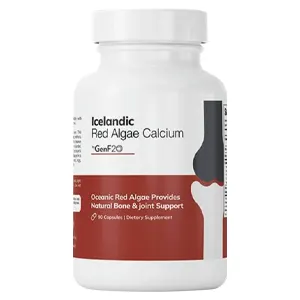
Red Algae Calcium
Product Type: Dietary Supplement
Primary Use: Bone Strength & Joint Mobility Support
Overall Rating: 4.9/5
Price: $59.95
Key Benefits
- Supports bone strength and mineral density
- Supports joint flexibility and mobility
- Provides calcium, magnesium, vitamin D3 and vitamin K2
- Supports healthy inflammatory balance
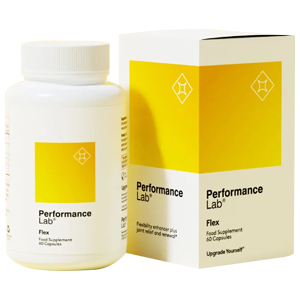
Performancelab Flex
Product Type: Dietary Supplement
Primary Use: Joint Health, Mobility & Flexibility Support
Overall Rating: 4.8/5
Price: $49.00
Key Benefits
- Supports comfortable joint movement
- Supports whole-body flexibility
- Supports healthy cartilage and connective tissues
- Supports joint lubrication and mobility
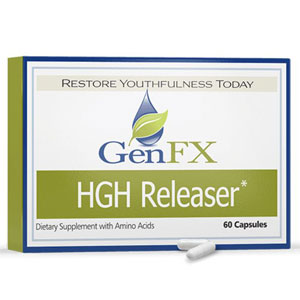
LeanBliss
Product Type: Dietary Supplement
Primary Use: Healthy Aging, Energy & Vitality Support
Overall Rating: 4.8/5
Price: $49.95
Key Benefits
- Supports energy and vitality
- Supports lean muscle mass
- Supports healthy body composition
- Supports memory and cognitive function