
Naked Powdered Peanut Butter Introduction
Health-conscious shoppers have been searching for wholesome substitutes for conventional pantry staples in recent years. Naked Powdered Peanut Butter is one such innovation that has revolutionized the nut butter industry. This novel product, bursting with taste and health benefits, is a market leader. We’ll dive into the details of Naked Powdered Peanut Butter in this extensive guide, covering everything from its manufacturing process to its health advantages and numerous applications.
What is Naked Powdered Peanut Butter?
Definition and Production Process
When making Naked Powdered Peanut Butter, dry-roasted peanuts are carefully ground to remove the majority of the oil, leaving the powdered form. Compared to conventional peanut butter, this method not only concentrates the flavor but also lowers the calorie and fat content.
Nutritional Composition
Protein, fiber, and a variety of vitamins and minerals are among the vital nutrients that can be found in whole peanuts and are retained in naked powdered peanut butter. A 2-tablespoon portion is a popular option for people who are health-conscious because it usually has fewer calories and fat than its traditional counterpart.
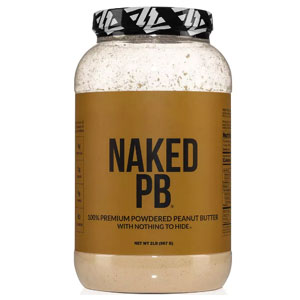
Health Benefits of Naked Powdered Peanut Butter
- Protein Powerhouse: For those trying to satisfy their protein needs, Naked Powdered Peanut Butter is a great option because it is loaded with plant-based protein. For this reason, it is a beneficial supplement to vegan and vegetarian diets.
- Healthy Fats: Naked Powdered Peanut Butter offers a reduced-fat substitute for the traditional peanut butter, which has higher fat content. When it comes to fats, the heart-healthy monounsaturated and polyunsaturated fats make up the majority of them.
- Nutrient Profile: Naked Powdered Peanut Butter is a good source of important nutrients like magnesium, phosphorus, niacin, and folate in addition to protein and healthy fats. These assist a number of body functions and enhance general well-being.
- Weight Management: Naked Powdered Peanut Butter becomes a favorite choice for people watching their weight because of its reduced calorie count. Because of its satiating qualities, it can lessen cravings and increase feelings of fullness.
The Science Behind How Naked Powdered Peanut Butter Works?
A scientific method is used in the creation of Naked Powdered Peanut Butter to turn regular peanut butter into a powder while preserving its vital nutrients and flavors. The science underlying Naked Powdered Peanut Butter’s operation is broken down as follows:
Dehydration Process:
- Objective: The main objective is to turn the peanuts into a dry powder by removing their moisture content.
- Method: The peanuts are dried out, usually using a specialty technique like air roasting. In order to do this, the peanuts are exposed to regulated hot air, which evaporates the water content without affecting the nuts’ nutritional value.
Oil Extraction:
- Goal: Lower the fat content to produce a product that is lower in fat and calories than regular peanut butter.
- Method: To extract a large amount of oil, the peanuts are usually pressed after they have been dehydrated. This is an important step because it reduces the overall fat content while concentrating the flavor and producing a powdered consistency.
Grinding into Powder:
- Goal: Preserve the natural peanut flavor while achieving the required powdered texture.
- Method: A fine powder is made from the dehydrated and oil-extracted peanuts. This is a crucial step in producing a product that is easily reconstituted with water or mixed into different recipes.
Naked Powdered Peanut Butter Ingredients
While the exact ingredients in Naked Powdered Peanut Butter might differ slightly amongst brands, they usually consist of simple, basic ingredients. An average ingredient list for Naked Powdered Peanut Butter looks like this:
- Dry Roasted Peanuts: Premium dry-roasted peanuts are the main ingredient. The powder’s deep peanut flavor comes from this.
- Salt: A tiny bit of salt may be added by certain brands to improve the flavor overall. Frequently optional, this ingredient appeals to people who would rather follow a low-sodium diet.
- Optional Stabilizers or Emulsifiers: Stabilizers and emulsifiers are added by certain manufacturers to enhance the texture and keep the powder from clumping. One of the most common additives is lecithin, which is typically made from sunflower or soy.
How to Use Naked Powdered Peanut Butter
- Smoothies and Shakes: A versatile addition to smoothies and shakes, Naked Powdered Peanut Butter adds a rich, nutty flavor without adding extra calories. Mix it with yogurt, fruits, and any other liquid to make a filling and healthy drink.
- Baking and Cooking: For a distinctive twist, try adding Naked Powdered Peanut Butter to your favorite recipes. There are countless options, ranging from savory sauces to protein-rich cookies.
- Oatmeal and Breakfast Bowls: A great way to up the nutritional value of your morning routine is to top your oatmeal or breakfast bowl with Naked Powdered Peanut Butter. It’s a simple way to increase flavor and protein without adding extra calories.
- DIY Peanut Butter: To make Naked Powdered Peanut Butter spreadable, mix it with a little water to make it creamy. Adjust the consistency to your preferred level and savor it with rice cakes, toast, or as a fruit and vegetable dip.
Where to Buy and Final Thoughts
Availability
The popularity of naked powdered peanut butter is rising, and it can be found online, in a lot of health food stores, and grocery chains. Look for this nutrient-dense gem online or by checking with nearby retailers.
What Expert Saying?
Since my training only covers data up to January 2022, I am unable to provide quotes or real-time opinions from specific experts; however, I am able to provide general insights into what experts might say about powdered peanut butter based on current knowledge:
- Nutritionists and Dietitians: Powdered peanut butter is a versatile and lower-calorie substitute for regular peanut butter that is highly appreciated by nutritionists and dietitians. They frequently draw attention to its lower fat content and possible advantages for people trying to control their calorie intake without sacrificing the flavor and health advantages of peanuts.
- Fitness and Wellness Experts: Fitness professionals may suggest powdered peanut butter to people following high-protein diets. Because of its high protein content, it can be a beneficial addition to meals or shakes after a workout, helping to maintain and repair muscles.
- Food Scientists:The technology used in the dehydration and oil extraction steps of making powdered peanut butter may be of interest to food scientists. They might emphasize how these procedures change the product’s form for greater convenience and utility while preserving the vital flavors and nutrients of peanuts.
Considerations and Precautions
Allergen Alert: Despite having less fat, Naked Powdered Peanut Butter still contains peanuts, which may cause allergies. People who are allergic to peanuts should take precautions and speak with a medical professional.
Storage Recommendations: Store Naked Powdered Peanut Butter in a cool, dry location and according to the manufacturer’s storage instructions to preserve its freshness. The preservation of flavor and nutritional value is ensured by proper storage.
What Precautions Should You Take Before Starting Naked Powdered Peanut Butter?
It is important to think through some safety measures before adding Naked Powdered Peanut Butter, or any new food product, to your diet, particularly if you have any dietary restrictions or specific medical conditions. Here are some safety measures to consider:
- Allergies: It’s imperative to stay away from Naked Powdered Peanut Butter if you have a documented peanut allergy. There is still a chance of cross-contamination or residual allergens even though the oil extraction process lessens allergenic proteins.
- Moderation: Even though Naked Powdered Peanut Butter has nutritional advantages, it must be consumed in moderation as a component of a healthy diet. Any food consumed in excess, even a nutritious one, can cause imbalances in the amount of nutrients you consume overall.
- Clumping Concerns: Certain products with powdered peanut butter might have a propensity to clump. To ensure a smooth consistency when reconstituting the powder, be mindful of this possible problem and heed any advice provided by the manufacturer.
- Hydration: Make sure you use the right amount of water when reconstituting the powdered peanut butter to get the desired consistency. Water levels can have an impact on texture and flavor.
Naked Powdered Peanut Butter FAQ’s
Q: What is Naked Powdered Peanut Butter?
A: Dry-roasted peanuts are used to make Naked Powdered Peanut Butter, which is a powdered form obtained through dehydration and oil extraction. As a result, the product has a stronger peanut flavor, less fat, and can be used in a variety of culinary contexts.
Q: How is Naked Powdered Peanut Butter Different from Traditional Peanut Butter?
A: The production process is where the main distinction is found. Compared to regular peanut butter, the fat content of Naked Powdered Peanut Butter is lower because it is extracted from oil and dehydrated. It is also available in powder form, which allows for more usage options.
Q: What Are the Nutritional Benefits of Naked Powdered Peanut Butter?
A: The essential nutrients found in peanuts, such as protein, fiber, magnesium, phosphorus, niacin, and folate, are all retained in naked powdered peanut butter. It is frequently selected because it has less fat and calories than regular peanut butter, which makes it a good option for people trying to control their weight or looking for a healthier substitute.
Q: Is Naked Powdered Peanut Butter Safe for Individuals with Peanut Allergies?
A: People who are allergic to peanuts should be careful. There is still a chance of cross-contamination or lingering allergens even though the oil extraction process lessens allergic proteins. Before adding it to the diet, it is best to speak with a healthcare provider.
Q: How Should Naked Powdered Peanut Butter be Stored?
A: Naked Powdered Peanut Butter should be stored according to the manufacturer’s instructions to preserve its freshness and quality. Make sure the container is tightly sealed to keep out moisture and contaminants, and store it in a cool, dry place.
Q: Can Naked Powdered Peanut Butter Clump?
A: It’s possible for powdered peanut butter to clump. To stop clumping, some products contain emulsifiers or stabilizers. To attain a smooth consistency, users can adhere to the manufacturer’s suggested tips, which include mixing ingredients properly and storing them in a dry place.
Q:Where Can I Buy Naked Powdered Peanut Butter?
A: Numerous supermarket chains, health food stores, and internet retailers carry Naked Powdered Peanut Butter. To locate this product, look through online stores or local retailers.
Q: Is Naked Powdered Peanut Butter Suitable for Vegetarians and Vegans?
A: Yes,Since Naked Powdered Peanut Butter is made mostly of plant-based ingredients—dry roasted peanuts—it is typically acceptable for vegetarians and vegans.
Q: Can I Use Naked Powdered Peanut Butter in Recipes that Call for Traditional Peanut Butter?
A:Yes, indeed! Recipes calling for traditional peanut butter can be substituted with Naked Powdered Peanut Butter. Depending on what the recipe calls for, adjust the amount and reconstitute it with water as necessary.
Conclusion
To sum up, Naked Powdered Peanut Butter is a nutritional powerhouse that satisfies the needs of customers who are concerned about their health. It stands out as a product in the constantly changing world of healthy food options because of its distinctive production method, numerous applications, and health advantages. A tasty and healthy addition to your meals and snacks is Naked Powdered Peanut Butter, which you should think about stocking your pantry with.
Leave a Reply