
NeuroQ Memory & Focus is a daily cognitive-health supplement formulated with six ingredients: phosphatidylserine, coffee fruit extract, gotu kola, ginkgo biloba, turmeric standardized to 95% curcuminoids, and bee propolis. The manufacturer says the formula was developed with neurologist Dr. Dale Bredesen and is designed to support memory, focus, mental clarity, and long-term brain health.
My assessment is cautiously positive but not conclusive. Several ingredients have some human research behind them, especially phosphatidylserine and curcumin, while the evidence for ginkgo and gotu kola is more mixed. The most important distinction is that NeuroQ’s manufacturer reports a company-sponsored 90-day clinical study of the complete formula, but I could not identify a peer-reviewed publication of that specific NeuroQ trial in the sources reviewed.
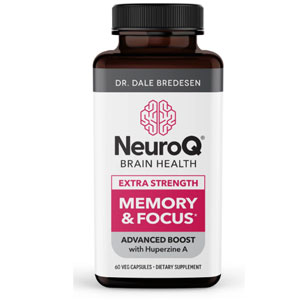
The formula is also relatively transparent about its ingredient quantities. The official product page lists 100 mg of phosphatidylserine, 100 mg of coffee fruit extract, 250 mg of gotu kola, 120 mg of ginkgo biloba, 250 mg of turmeric, and 75 mg of bee propolis per daily serving.
Quick NeuroQ Memory & Focus Review Summary
| Category | Assessment |
|---|---|
| Product type | Dietary supplement for memory and cognitive support |
| Serving | 2 capsules every morning with food |
| Active ingredients | 6 |
| Phosphatidylserine | 100 mg |
| Coffee fruit extract | 100 mg |
| Gotu kola | 250 mg |
| Ginkgo biloba | 120 mg |
| Turmeric | 250 mg, standardized to 95% curcuminoids |
| Bee propolis | 75 mg |
| Proprietary blend | No; individual ingredient amounts are disclosed |
| Manufacturer-reported clinical study | Double-blind, placebo-controlled, 90-day company-sponsored study |
| Manufacturer-reported result | 97% of participants reportedly improved in memory, focus, or concentration |
| Money-back guarantee | 60 days |
| One-bottle price | $69.95 at the time of review |
| Overall assessment | Interesting, transparent formula with some supporting evidence, but independent product-specific evidence remains limited |
What Is NeuroQ Memory & Focus?
NeuroQ Memory & Focus is a dietary supplement intended for adults interested in maintaining memory, focus, concentration, and cognitive performance as they age.
The manufacturer describes the product as addressing four areas associated with age-related mental decline: neurotransmitter health, neuron health, cerebral blood flow, and what it calls brain “toxins” or chronic inflammation. The formula contains six ingredients intended to correspond to those areas.
The recommended serving is two capsules every morning with food. The manufacturer describes NeuroQ as stimulant-free and says it is vegetarian, gluten-free, dairy-free, yeast-free, and corn-free. It also states that the product is manufactured in the United States in a GMP-certified facility and that batches undergo third-party testing.
These manufacturing statements are useful, but they should be distinguished from evidence that the product improves cognition.
How Does NeuroQ Memory & Focus Work?
The formula takes a multi-pathway approach rather than relying on a single nootropic ingredient.
Phosphatidylserine is a phospholipid found in cell membranes and has been studied for age-associated memory complaints.
Coffee fruit extract is included because coffee fruit contains polyphenolic compounds, including chlorogenic acids, and has been investigated for effects on brain-derived neurotrophic factor (BDNF) and cognitive performance.
Gotu kola is a traditional botanical that has been investigated for cognitive function and neurological effects.
Ginkgo biloba is commonly marketed for cerebral circulation and cognitive support, although clinical findings are inconsistent.
Turmeric, standardized by the manufacturer to 95% curcuminoids, provides curcumin-related compounds that have been studied for inflammation and cognition.
Bee propolis contains numerous plant-derived compounds collected and processed by bees and is included for its antioxidant and neuroprotective potential.
The overall concept is scientifically plausible. However, plausible mechanisms are not equivalent to proof that the complete formula improves memory in everyday life.
NeuroQ Memory & Focus Ingredients and Scientific Evidence
1. Phosphatidylserine
Phosphatidylserine (PS) is one of the better-established ingredients in the NeuroQ formula for age-related memory research.
Older clinical trials have produced mixed findings. A 1991 randomized trial involving 149 people with age-associated memory impairment reported improvements in some learning and memory measures after 12 weeks of phosphatidylserine supplementation.
However, another randomized study of soy-derived phosphatidylserine at 300 or 600 mg daily found no significant differences in memory or other cognitive outcomes among older adults with memory complaints.
More recently, a 2025 randomized, double-blind, placebo-controlled trial involving 190 older adults with mild cognitive impairment tested a combination containing phosphatidylserine, alpha-linolenic acid, ginkgo flavonoids, and several vitamins. The intervention improved several cognitive measures, including short-term memory, but because multiple ingredients were used, the results cannot be attributed to phosphatidylserine alone.
NeuroQ supplies 100 mg per daily serving, which is lower than the 300–600 mg doses used in several older PS trials. That does not mean 100 mg is ineffective, but it makes direct comparison with those studies difficult.
Evidence assessment: Reasonable ingredient-level evidence, but clinical results are inconsistent and the NeuroQ dose is lower than several studied doses.
Studies:
Phosphatidylserine and Age-Associated Memory Impairment — PubMed
Soy-Derived Phosphatidylserine and Cognition — PubMed
Phosphatidylserine Supplement and Mild Cognitive Impairment — PubMed
2. Coffee Fruit Extract
Coffee fruit extract is an interesting but less established component of the formula.
Coffee fruit contains polyphenolic compounds, including chlorogenic acids. Research has explored whether these compounds can influence BDNF and cognitive performance.
A randomized, double-blind, placebo-controlled crossover study involving 72 healthy adults tested 100 mg and 300 mg of coffeeberry extract. The study found no cognitive benefit from 300 mg, while the 100 mg dose produced worse performance on certain measures of sustained attention and increased mental fatigue during demanding tasks.
Another pilot study examined 100 mg of whole coffee cherry extract and investigated neurophysiological responses and BDNF-related mechanisms. This type of research is interesting, but it does not establish that coffee fruit extract improves long-term memory.
There is also a randomized trial of a commercial supplement combining whole coffee cherry extract and phosphatidylserine that reported improvements in some working-memory and attention-related measures after 42 days. Because that study tested a combination product, it cannot establish that coffee fruit extract alone caused the effects.
Evidence assessment: Emerging evidence, but not strong enough to consider coffee fruit extract a proven memory enhancer.
Studies:
Coffeeberry Extract and Cognitive Performance — PubMed
Whole Coffee Cherry Extract and Neurophysiological Effects — PubMed
Coffee Cherry Extract + Phosphatidylserine Trial — PubMed
3. Gotu Kola
Gotu kola (Centella asiatica) has a long history of traditional use and has been investigated for cognition, stress, and neurological function.
A 2022 randomized controlled study examined 60 older adults with mild cognitive impairment. Participants receiving 500 mg of gotu kola twice daily alongside a multicomponent exercise program showed improvements in several cognitive measures, but the researchers concluded that gotu kola did not provide additional cognitive benefits beyond exercise.
This is important because the study demonstrates that the presence of a cognitive improvement in a combined intervention does not necessarily mean the supplement itself caused the improvement.
NeuroQ provides 250 mg of gotu kola daily, which is substantially below the 1,000 mg daily dose used in that study.
Evidence assessment: Interesting botanical with some human research, but the evidence for independent cognitive benefits remains limited.
Study: Gotu Kola, Exercise, and Cognitive Function — PubMed
4. Ginkgo Biloba
Ginkgo biloba is one of the most widely marketed herbal ingredients for memory and circulation.
The scientific evidence, however, is mixed.
A meta-analysis of randomized controlled trials in healthy individuals found no significant benefits of ginkgo for memory, executive function, or attention. The effect sizes were close to zero across all three domains.
NCCIH similarly states that there is no conclusive evidence that ginkgo is beneficial for health conditions and that its effects on cognitive performance in healthy people remain uncertain. Large studies have also failed to show that ginkgo prevents dementia.
Some studies in people with cognitive impairment or dementia have reported modest benefits, but findings are inconsistent and the populations and extracts differ.
NeuroQ supplies 120 mg of ginkgo daily. That is within the general range used in some cognitive studies, but dosage alone does not overcome the inconsistent evidence.
Evidence assessment: Extensively studied, but evidence for improving cognition in otherwise healthy adults is weak and inconsistent.
Studies:
Ginkgo and Cognitive Enhancement in Healthy Individuals — PubMed
Ginkgo for Mild Cognitive Impairment and Alzheimer’s Disease — PubMed
NCCIH: Ginkgo — Usefulness and Safety
5. Turmeric / Curcumin
NeuroQ provides 250 mg of turmeric standardized to 95% curcuminoids. Curcumin has attracted considerable interest because of its anti-inflammatory and antioxidant properties.
Human research on cognition is promising but not definitive.
A meta-analysis of eight randomized controlled trials involving 389 participants found that curcumin was associated with a significant improvement in working memory. However, it did not significantly improve several other cognitive domains, including overall cognitive function, verbal memory, and cognitive flexibility. The analysis also found a higher risk of gastrointestinal adverse effects.
A newer systematic review also found evidence suggesting improvements in working memory in several adult populations, but the authors noted limitations across the available studies.
NCCIH emphasizes that oral curcumin products vary considerably in formulation and bioavailability, and it remains unclear whether turmeric or curcumin is beneficial for many health purposes. Highly bioavailable formulations have also been associated with rare cases of liver injury.
Evidence assessment: Promising for some cognitive measures, particularly working memory, but not established as a treatment for cognitive decline.
Studies:
Curcumin and Individual Cognitive Domains — PubMed
Curcumin and Cognitive Function Systematic Review — PubMed
NCCIH: Turmeric — Usefulness and Safety
6. Bee Propolis
Bee propolis is a resinous substance collected by bees from plant sources. It contains numerous polyphenolic compounds and has demonstrated antioxidant and anti-inflammatory activity in laboratory research.
The problem is that evidence directly supporting propolis for improving human memory or preventing cognitive decline is limited.
Therefore, its presence in NeuroQ provides a plausible antioxidant component, but it should not be described as a clinically proven cognitive enhancer.
Safety also matters. Bee products can trigger allergic reactions in susceptible individuals, including potentially serious reactions.
Evidence assessment: Biologically interesting, but limited direct human evidence for memory or focus.
Does NeuroQ Memory & Focus Really Work?
The answer depends on what “work” means.
If the question is whether NeuroQ contains ingredients that have been investigated for cognitive health, the answer is yes. Phosphatidylserine, curcumin, ginkgo, gotu kola, and coffee-derived compounds all have some degree of human research.
If the question is whether NeuroQ has been clinically proven to prevent dementia, reverse cognitive decline, or treat Alzheimer’s disease, the answer is no.
The manufacturer reports a double-blind, placebo-controlled 90-day clinical study of the complete NeuroQ formula. According to the company’s website, 97% of participants reportedly showed improvement in memory, focus, or concentration, while average percentile-domain scores increased by 10% for processing speed, 7% for working memory, and 12% for executive function. The company says the study was sponsored by NeuroQ and used computerized neurocognitive testing.
Those findings are worth noting, but they should be presented as manufacturer-reported clinical-study results. I could not verify a peer-reviewed publication of that specific NeuroQ trial in the literature reviewed here. Without the published study methodology, sample size, baseline characteristics, dropout rate, statistical analysis, and full results, it is difficult to independently assess the strength of those claims.
Potential NeuroQ Memory & Focus Benefits
Based on the formula and available evidence, the reasonable potential benefits include:
- Support for memory and recall
- Support for attention and concentration
- Potential support for working memory
- Support for normal cognitive function as part of an overall healthy lifestyle
- Potential antioxidant and anti-inflammatory support from turmeric and propolis
- Potential support for age-associated memory complaints from phosphatidylserine
These should be interpreted as potential benefits, not guaranteed clinical outcomes.
NeuroQ Limitations
The most important limitation is the difference between ingredient evidence and product-specific evidence.
Several ingredients have mixed research findings. Ginkgo, for example, has not consistently improved cognition in healthy adults. Gotu kola has limited evidence, and the available clinical study did not show an additional cognitive benefit from supplementation beyond exercise. Coffee fruit research is still emerging.
The second limitation is that NeuroQ’s reported clinical trial is not currently supported here by an independently published peer-reviewed paper. The manufacturer provides the headline results, but consumers cannot evaluate the complete methodology as easily as they could with a published clinical trial.
Finally, NeuroQ is marketed toward age-associated cognitive decline. It is important not to interpret a dietary supplement as a treatment for dementia or Alzheimer’s disease.
NeuroQ Memory & Focus Side Effects and Safety
NeuroQ contains several botanical ingredients that can have medication interactions or adverse effects.
Ginkgo biloba can increase bleeding risk when combined with anticoagulants such as warfarin and may interact with other medications. NCCIH lists dizziness, gastrointestinal symptoms, and headache among possible side effects.
Turmeric/curcumin can cause nausea, reflux, stomach upset, diarrhea, or constipation. Certain highly bioavailable curcumin products have also been associated with liver injury.
Bee propolis can trigger allergic reactions, particularly in people with sensitivity to bee products or certain plant allergens.
Because the formula contains multiple botanicals, anyone taking prescription medication should discuss NeuroQ with a healthcare professional before use.
People experiencing noticeable or progressive memory problems should also seek medical evaluation rather than relying on a supplement. Cognitive changes can have many possible causes, some of which are treatable.
Who May Consider NeuroQ Memory & Focus?
NeuroQ may appeal to adults who:
- Want a daily supplement focused on memory and cognitive health
- Prefer a multi-ingredient formula rather than a single nootropic
- Are interested in phosphatidylserine, curcumin, ginkgo, and botanical ingredients
- Prefer a product that discloses individual ingredient quantities
- Understand that the evidence does not establish NeuroQ as a treatment for dementia
Who Should Use Caution?
Extra caution is appropriate for people who:
- Take blood-thinning or anticoagulant medication
- Take multiple prescription medications
- Have a history of liver problems
- Have allergies to bee products or propolis
- Are pregnant or breastfeeding
- Have diagnosed dementia, mild cognitive impairment, or another neurological condition and are considering the supplement as a replacement for medical care
NeuroQ Memory & Focus Price and Value
At the time of this review, the official website lists a one-bottle purchase at $69.95. The three-bottle package is advertised at $139.90, or approximately $46.63 per bottle, while the six-bottle package is listed at $209.85, or approximately $34.97 per bottle. The company also advertises free U.S. shipping on qualifying subscription or bundle orders and a 60-day money-back guarantee.
| Package | Advertised Price | Approx. Price Per Bottle |
|---|---|---|
| 1 bottle | $69.95 | $69.95 |
| 3 bottles | $139.90 | $46.63 |
| 6 bottles | $209.85 | $34.97 |
The product’s transparent ingredient amounts are a positive from a consumer perspective. There is no proprietary blend hiding the individual quantities. However, value ultimately depends on whether the formula produces meaningful cognitive benefits.
I would therefore consider the price reasonable only if the product’s reported clinical benefits can be independently substantiated. At present, that remains an open question.
NeuroQ Memory & Focus Pros and Cons
Pros
- Six clearly identified active ingredients
- Individual ingredient amounts are disclosed
- Contains phosphatidylserine, which has human research involving age-associated memory complaints
- Curcumin has some evidence for working-memory outcomes
- Manufacturer reports a double-blind, placebo-controlled study of the complete formula
- Vegetarian and free from gluten and dairy according to the manufacturer
- 60-day money-back guarantee is advertised
Cons
- The manufacturer-reported NeuroQ clinical study has not been independently evaluated here through a peer-reviewed publication
- Evidence for individual ingredients varies considerably
- Ginkgo has not consistently improved cognition in healthy adults
- Gotu kola has limited evidence for independent cognitive benefits
- Bee propolis can cause allergic reactions
- Ginkgo can interact with anticoagulants and other medications
- It should not be considered a treatment for Alzheimer’s disease or dementia
- The price is relatively high compared with many basic cognitive-health supplements
Frequently Asked Questions
What is NeuroQ Memory & Focus?
NeuroQ Memory & Focus is a dietary supplement formulated to support memory, focus, concentration, and general cognitive health. It contains six active ingredients: phosphatidylserine, coffee fruit extract, gotu kola, ginkgo biloba, turmeric, and bee propolis.
What ingredients are in NeuroQ Memory & Focus?
The official product page lists 100 mg phosphatidylserine, 100 mg coffee fruit extract, 250 mg gotu kola, 120 mg ginkgo biloba, 250 mg turmeric standardized to 95% curcuminoids, and 75 mg bee propolis per daily serving.
How do you take NeuroQ Memory & Focus?
The manufacturer recommends taking two capsules every morning with food.
Does NeuroQ improve memory?
The manufacturer reports positive results from a 90-day company-sponsored clinical study of the complete formula. However, independent evaluation is limited because I did not identify a peer-reviewed publication of that specific NeuroQ trial. Some individual ingredients also have supporting research, but the evidence varies.
Does NeuroQ prevent Alzheimer’s disease?
There is not enough evidence to say that NeuroQ prevents Alzheimer’s disease. The product is a dietary supplement and should not be considered a treatment or preventive therapy for Alzheimer’s disease.
Is NeuroQ Memory & Focus safe?
The formula may be well tolerated by many adults, but safety depends on the individual. Ginkgo can increase bleeding risk with anticoagulants, turmeric can cause gastrointestinal effects and has been linked to rare liver injuries in some highly bioavailable formulations, and bee propolis can cause allergic reactions.
Does NeuroQ contain caffeine?
The manufacturer describes NeuroQ Memory & Focus as stimulant-free. The listed formula contains coffee fruit extract rather than a listed caffeine ingredient.
How much does NeuroQ Memory & Focus cost?
The official website currently lists $69.95 for one bottle, $139.90 for three bottles, and $209.85 for six bottles. Prices and promotions may change.
Is NeuroQ FDA approved?
NeuroQ is a dietary supplement, not an FDA-approved prescription medication. Dietary supplements are not approved by the FDA for safety and effectiveness before they are marketed in the same way drugs are.
Final Verdict: Is NeuroQ Memory & Focus Worth It?
My NeuroQ Memory & Focus review conclusion is that this is a more thoughtfully formulated cognitive supplement than many products that rely on a proprietary blend or poorly disclosed ingredient list. The manufacturer clearly identifies six active ingredients and their amounts, which makes the formula easier to evaluate.
The scientific evidence is mixed but not empty. Phosphatidylserine has several human studies involving age-associated memory complaints, although results are inconsistent. Curcumin has some evidence for working memory, while ginkgo’s effects on cognition in healthy adults have generally been unimpressive. Gotu kola and coffee fruit extract remain less established.
The most important positive claim comes from NeuroQ’s own 90-day clinical study. The company reports that 97% of participants improved in memory, focus, or concentration and that processing speed, working memory, and executive-function scores improved. That is potentially meaningful, but because the trial is company-sponsored and I could not verify a peer-reviewed publication of the study, I would treat those results as promising manufacturer-reported evidence rather than independently established clinical evidence.
Bottom line: NeuroQ Memory & Focus is a plausible cognitive-support supplement with transparent dosing and several scientifically researched ingredients, but it should not be described as a proven treatment for dementia, Alzheimer’s disease, or age-related cognitive decline. For a healthy adult looking for general memory and focus support, it may be reasonable to consider, provided expectations remain realistic and potential medication interactions are checked first.
Our Top Memory, Focus & Cognitive Products
We evaluated these products based on key factors relevant to their intended use. Our editorial ratings consider ingredient transparency, available scientific evidence, formulation quality, safety considerations, value, and other product-specific factors.
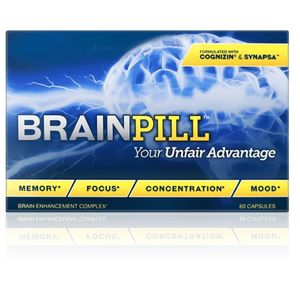
Brainpill
Product Type: Dietary Supplement
Primary Use: Memory, Focus & Cognitive Performance Support
Overall Rating: 4.9/5
Price: $69.95
Key Benefits
- Supports memory and recall
- Supports focus and concentration
- Supports mental performance under pressure
- Supports cognitive energy and productivity
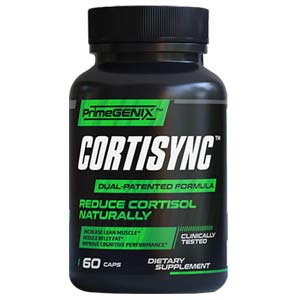
PrimeGENIX CortiSync
Product Type: Male Performance Spray
Primary Use: Cortisol, Stress & Adrenal Support
Overall Rating: 4.8/5
Price: $59.00
Key Benefits
- Supports healthy cortisol levels
- Supports stress management and resilience
- Supports energy and physical performance
- Supports focus and cognitive function
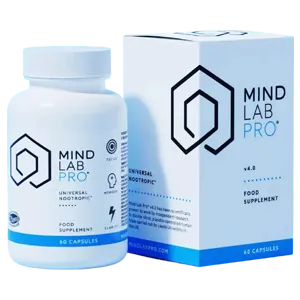
Mind Lab Pro
Product Type: Oil
Primary Use: Cognitive Performance Support
Overall Rating: 4.8/5
Price: $69.00
Key Benefits
- Supports focus and concentration
- Supports memory and recall
- Supports mental clarity and cognitive performance
- Supports mood, motivation and mental energy