Introduction
Weight-management supplements often promise to reduce appetite, improve metabolism, and make it easier to manage body weight. SodaFit is one such product. Marketed as a liquid dietary supplement, it claims to support appetite control, metabolic function, and digestive balance.
Unlike traditional capsules, SodaFit comes in a dropper format. Its sales page promotes a natural approach to weight management and offers several multi-bottle packages. However, the product’s ingredient information deserves closer attention before considering those claims.
One important limitation is that I could not verify a consistent, complete Supplement Facts panel with individual ingredient amounts from the supplied product page. Different websites associated with the SodaFit name also describe different formulas. This makes it difficult to establish precisely what a customer will receive.
In this SodaFit review, I examine the available product information, reported ingredients, scientific research, potential benefits, safety considerations, pricing, and purchasing limitations.
Quick Summary Box
| Product Name | SodaFit |
| Product Type | Liquid dietary supplement |
| Primary Use | Appetite and weight-management support |
| Product Format | Liquid drops |
| Reported Ingredients | Varies across available product-related pages |
| Serving Information | One dropper daily is described on some product-related pages; exact volume is unverified |
| Pricing | $49–$79 per bottle, depending on package |
| Guarantee | 60-day guarantee advertised |
What Is SodaFit?
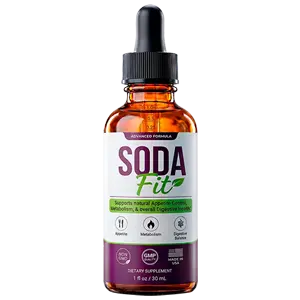 SodaFit is marketed as a liquid dietary supplement designed to support appetite control, metabolism, and digestive health. The product’s sales page presents it as a natural option for people looking to manage their weight alongside healthy lifestyle habits.
The liquid dropper format may appeal to individuals who prefer not to swallow capsules or tablets. Some product-related pages recommend taking one full dropper daily, although the exact milliliter serving size needs confirmation from the manufacturer.
There is an important transparency issue. Available websites associated with SodaFit do not consistently identify the same formula. Some describe six ingredients, including chromium, African mango, green tea, guarana, maca, and grape seed extract. Other listings name 19 ingredients, including Gymnema sylvestre, forskolin, cayenne pepper, amino acids, and additional botanicals.
I could not independently establish which list represents the exact formulation sold through the supplied official purchase page. Therefore, these ingredient lists should not be treated as a verified product label.
How Does SodaFit Work?
According to its marketing, SodaFit aims to support weight management through several proposed mechanisms:
- Appetite management: Certain botanical ingredients are traditionally associated with satiety and appetite-related support.
- Metabolic support: Green tea extract and caffeine-containing ingredients are commonly included in supplements marketed for energy expenditure.
- Carbohydrate metabolism: Chromium plays a role in normal nutrient metabolism, although its weight-management benefits appear limited.
- Digestive wellness: The manufacturer also promotes digestive balance as part of its broader wellness positioning.
These are proposed ingredient-level mechanisms, not demonstrated effects of SodaFit itself. No reliable clinical trial of the finished SodaFit formula was identified during this review.
SodaFit Key Ingredients
The available product-related pages provide inconsistent ingredient lists. The following ingredients appear in one or more reported versions, but I could not confirm their individual amounts or establish that all are present in the product sold through the supplied checkout page.
1. Chromium Picolinate
Chromium is an essential trace mineral involved in normal nutrient metabolism. It has been studied for possible effects on blood glucose regulation, appetite, and body composition.
The NIH Office of Dietary Supplements reports that chromium supplementation may produce a statistically small reduction in body weight in some studies. However, the clinical significance is limited, and the evidence does not establish meaningful weight loss from chromium alone.
Study reference: NIH Office of Dietary Supplements – Chromium.
2. African Mango Seed Extract
African mango, scientifically known as Irvingia gabonensis, is included in some weight-management supplements. Researchers have investigated its potential effects on body weight, waist circumference, and metabolic markers.
A 2013 systematic review identified only three randomized controlled trials and concluded that methodological weaknesses made the weight-loss evidence unproven. A later 2020 meta-analysis also found limitations, including a high risk of bias in most included trials.
Study references:
2013 Systematic Review of African Mango.
2020 African Mango Meta-Analysis.
3. Green Tea Extract
Green tea contains catechins, including epigallocatechin gallate (EGCG), and may naturally contain caffeine. Researchers have investigated these compounds for their potential effects on thermogenesis and fat oxidation.
The NIH notes that green tea supplements may produce modest weight-related effects, but the results are not strong enough to establish reliable weight loss. Concentrated green tea extracts also raise safety concerns, including rare cases of liver injury.
Study reference: NIH – Dietary Supplements for Weight Loss.
4. Guarana Seed Extract
Guarana is a plant naturally containing caffeine. It is frequently used in energy and weight-management products because caffeine can temporarily increase alertness and stimulate the central nervous system.
However, caffeine does not guarantee meaningful or sustained fat loss. The total caffeine contribution from SodaFit cannot be calculated without a verified ingredient panel and serving-level amounts.
5. Gymnema Sylvestre
Gymnema sylvestre is a botanical traditionally used in Ayurvedic practices. Researchers have investigated its potential effects on sugar perception and blood glucose regulation.
However, evidence supporting its use for weight loss remains insufficient. Its potential effects on blood glucose also make medication interactions an important consideration.
Study reference: PubMed – Gymnema Sylvestre Clinical Research.
6. Maca Root Extract
Maca is a Peruvian root traditionally consumed as a food and used in supplements marketed for energy and vitality. Some research has explored its effects on physical performance and general well-being.
However, there is insufficient clinical evidence to establish maca as an effective weight-loss ingredient.
Study reference: PubMed – Maca and Weight Management Research.
Important Ingredient Note: These studies examine individual ingredients, not SodaFit. Without a verified formula and ingredient quantities, it is impossible to determine whether the product contains research-relevant doses or whether the findings apply to its finished formulation.
SodaFit Benefits
SodaFit is marketed around several potential benefits. However, these should be understood as intended product benefits rather than clinically established outcomes.
- Supports Appetite Management: Some reported botanical ingredients have been investigated for appetite-related effects, although the evidence remains limited.
- Promotes Metabolic Wellness: Chromium and green tea compounds are associated with normal metabolic processes.
- Complements Weight Management: The product is positioned as an addition to balanced nutrition and regular physical activity.
- Offers Liquid Convenience: The dropper format provides an alternative to traditional capsules and tablets.
- Provides Botanical Ingredients: Some reported versions contain plant extracts commonly used in wellness supplements.
There is currently insufficient evidence to conclude that SodaFit independently produces meaningful weight loss.
SodaFit Pros and Cons
Pros
- Convenient liquid dropper format.
- Marketed for appetite and metabolic support.
- Multiple package sizes are advertised.
- A 60-day satisfaction guarantee is promoted.
- Some reported ingredients have been studied individually.
Cons
- Inconsistent ingredient lists across available pages.
- Individual ingredient quantities are not verified.
- Exact serving volume is unclear.
- Total caffeine content cannot be established.
- No verified clinical trial of the finished formula.
- Package supply descriptions need confirmation.
SodaFit vs. Alternatives
The following comparison considers general alternatives rather than claiming that any competing product is clinically superior.
| Option | Format | Primary Focus | Evidence Considerations |
|---|---|---|---|
| SodaFit | Liquid drops | Appetite and metabolism support | Formula and doses unverified |
| Green Tea | Beverage | Antioxidants and mild caffeine intake | Extensively researched; weight-loss effects are modest |
| Chromium Supplements | Capsules or tablets | Chromium intake | Small or clinically insignificant weight effects |
| African Mango Supplements | Capsules | Weight-management support | Limited and low-quality clinical evidence |
| Lifestyle-Based Weight Management | Nutrition and activity plan | Sustainable weight control | Established foundation for weight management |
The NIH recommends a combination of healthy eating, calorie management, and physical activity as the foundation for weight loss. Supplements should not replace these measures.
SodaFit Customer Reviews
The SodaFit sales page includes promotional statements and customer-oriented claims. However, I could not verify a sufficiently reliable collection of independently audited customer reviews to establish typical results.
This distinction matters because testimonials represent individual experiences. They cannot demonstrate that a supplement consistently reduces appetite, improves metabolism, or produces measurable weight loss.
Before purchasing, consider checking:
- Whether customer feedback comes from verified buyers.
- Whether reviews describe actual usage periods and realistic outcomes.
- Whether negative experiences and side effects are represented.
- Whether testimonials can be independently authenticated.
I would not rely on promotional testimonials as evidence of SodaFit’s effectiveness.
Who Should Use SodaFit?
SodaFit is marketed toward adults interested in appetite management and general weight-management support.
It may appeal to:
- Adults who prefer liquid supplements.
- People interested in botanical wellness products.
- Individuals seeking an optional addition to an established weight-management routine.
However, the incomplete ingredient and dosage information makes it difficult to determine whether the product is appropriate for a particular individual.
Who Should Avoid It or Seek Medical Advice First?
- Pregnant or breastfeeding individuals.
- People under 18 years old.
- Individuals sensitive to caffeine or stimulants.
- People taking blood glucose or thyroid medications.
- Individuals with liver, kidney, cardiovascular, or other chronic health conditions.
- Anyone with known allergies to the product’s ingredients.
SodaFit Side Effects and Safety
SodaFit’s overall safety cannot be fully assessed without a verified Supplement Facts panel, ingredient quantities, and complete manufacturing information.
Some reported ingredients have potential safety considerations:
- Caffeine-containing extracts: Guarana and green tea may contribute to caffeine intake. Excessive caffeine can cause restlessness, anxiety, headaches, palpitations, and sleep disruption.
- Green tea extract: Concentrated extracts have been associated with gastrointestinal symptoms and, rarely, liver injury.
- Chromium: Chromium supplements may interact with insulin, diabetes medications, and levothyroxine.
- African mango: Small clinical studies have reported adverse effects such as headaches and sleep difficulties.
- Multiple botanicals: Combining several plant extracts can make interactions and individual tolerability harder to predict.
Anyone taking prescription medication should consult a qualified healthcare professional before using a supplement with an uncertain formula.
Is SodaFit FDA Approved?
No evidence was found that SodaFit has FDA approval. In the United States, the FDA does not approve dietary supplements for safety and effectiveness before they enter the market. Manufacturers remain responsible for product safety and applicable labeling requirements.
Reference: FDA – Information for Consumers on Using Dietary Supplements.
SodaFit Pricing and Packages
The product’s sales page advertises three purchasing options. The following prices were displayed on the accessible product page and may change.
| Package | Price Per Bottle | Total Price | Shipping |
|---|---|---|---|
| 2 Bottles | $79 | $158 | Additional shipping |
| 3 Bottles | $69 | $207 | Free US shipping advertised |
| 6 Bottles | $49 | $294 | Free US shipping advertised |
The website advertises a 60-day satisfaction guarantee. Its sales copy indicates that customers should use the product for at least 30 days before requesting assistance if dissatisfied.
However, I recommend reviewing the complete refund policy and confirming the return address, eligibility requirements, and shipping costs before ordering. The advertised package supply durations also deserve confirmation because product-related pages have described them inconsistently.
10 Frequently Asked Questions About SodaFit
1. What is SodaFit used for?
SodaFit is marketed as a liquid dietary supplement intended to support appetite control, metabolism, and weight management. It is not a medication or an established treatment for obesity.
2. Does SodaFit really help with weight loss?
There is insufficient clinical evidence to confirm that SodaFit produces meaningful weight loss. Some reported ingredients have been studied individually, but those findings do not establish the effectiveness of the finished product.
3. What ingredients are in SodaFit?
Available product-related pages list different ingredients. Reported examples include chromium, African mango, green tea, guarana, maca, grape seed extract, Gymnema sylvestre, and forskolin. A complete, verified ingredient panel was not available for confirmation.
4. How should SodaFit be taken?
Some product-related pages recommend one full dropper daily. However, the exact serving volume and directions should be confirmed using the physical product label supplied with the purchase.
5. How long does SodaFit take to work?
There is no reliable clinical evidence establishing a specific time frame for SodaFit results. Individual responses to dietary supplements vary, and the product’s effectiveness has not been established in controlled trials.
6. Does SodaFit contain caffeine?
Some reported ingredient lists include green tea extract and guarana, both potential sources of natural caffeine. The exact caffeine content per serving has not been verified.
7. Does SodaFit have side effects?
Potential side effects depend on the actual ingredients and their quantities. Caffeine-containing extracts may cause restlessness or sleep problems, while green tea extracts have been associated with rare liver-related adverse effects.
8. Is SodaFit safe for people with diabetes?
People with diabetes should consult a healthcare professional before using SodaFit. Chromium and certain botanicals may affect blood glucose or interact with diabetes medications, and the complete formula is not verified.
9. Does SodaFit offer a money-back guarantee?
The sales page advertises a 60-day satisfaction guarantee. Customers should review the current refund policy and confirm its conditions before placing an order.
10. Where can customers buy SodaFit?
SodaFit is promoted through its direct sales website. Customers should verify the product name, packaging, ingredient panel, and refund terms at checkout.
Final Verdict: Is SodaFit Worth Buying?
SodaFit is marketed as a convenient liquid supplement for appetite control, metabolic wellness, and weight-management support. Its dropper format and multiple package options may appeal to people who prefer liquid supplements over capsules.
However, the available evidence raises several important concerns. Different product-related pages describe different ingredient lists, individual ingredient amounts are not verified, and the exact serving size and caffeine content remain unclear. I also could not identify a reliable clinical trial demonstrating that the finished SodaFit formula produces meaningful weight loss.
Some reported ingredients, including chromium, African mango, and green tea extract, have been investigated in scientific research. Nevertheless, the evidence is mixed or limited, and research on individual ingredients cannot establish the effectiveness of an unverified combination.
Our Top Weight Loss Products
We evaluated these products based on key factors relevant to their intended use. Our editorial ratings consider ingredient transparency, available scientific evidence, formulation quality, safety considerations, value, and other product-specific factors.
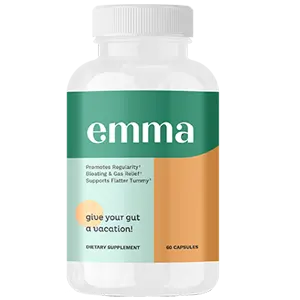
Emma Relief
Product Type: Dietary Supplement
Primary Use: Supports Digestive Comfort
Overall Rating: 4.9/5
Price: $50.00
Key Benefits
- Supports Digestive Comfort
- Promotes Bowel Regularity
- Supports Gut Microbiome Balance
- Supports Healthy Digestion
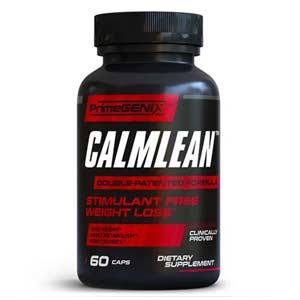
PrimeGENIX CalmLean
Product Type: Dietary Supplement
Primary Use: Weight Management Support
Overall Rating: 4.8/5
Price: $59.00
Key Benefits
- Supports Healthy Weight Management
- Supports Metabolic and Thermogenic Activity
- Supports Appetite and Hunger Management
- Stimulant-free and Caffeine-free Formula
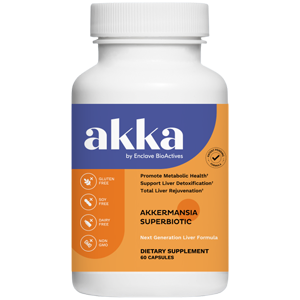
Akka
Product Type: Dietary Supplement
Primary Use: Supports Metabolic Wellness
Overall Rating: 4.8/5
Price: $50.15
Key Benefits
- Supports Gut Health
- Supports Gut Health
- Helps Support Healthy Appetite
- Supports Metabolic Wellness