
Introduction
Joint discomfort, stiffness, and reduced flexibility can affect everyday activities, from walking and climbing stairs to exercising and completing household tasks. Many adults explore herbal supplements as an additional way to support joint health and maintain comfortable movement.
Jou Joint Remedy is an herbal dietary supplement marketed for joint comfort. Retail listings describe it as a capsule-based formula containing wildcrafted or organic herbs. The product is associated with traditional Chinese herbal approaches to joint discomfort.
However, researching this product presents an important challenge: I could not locate a verifiable official manufacturer website or a current manufacturer-published product page. Available information comes mainly from older retail listings, product-identification databases, and third-party label analyses.
One independent product analysis identifies a 1.5 g proprietary herbal blend containing 12 botanical ingredients, including turmeric, licorice root, angelica pubescens, cinnamon twig, kudzu, and clematis. It does not disclose the individual quantities of these herbs.
This matters because the effectiveness and safety of herbal supplements depend on the exact species, preparation, extract concentration, and dosage. Research involving one herbal extract cannot automatically establish the effectiveness of a different proprietary blend.
In this Jou Joint Remedy review, I examine the available product information, individual ingredient research, potential benefits, safety considerations, customer feedback, and pricing. I also distinguish traditional herbal use from clinical evidence to provide a balanced assessment.
Quick Summary Box
| Feature | Details |
|---|---|
| Product Name | JOU Herbal Supplements Joint Remedy |
| Product Category | Herbal joint-health supplement |
| Brand | JOU |
| Format | Vegetarian capsules, according to retail descriptions |
| Container Size | 270 capsules reported in historical product listings |
| UPC | 807662262896 |
| Reported Blend | 1.5 g proprietary herbal blend in an independent label analysis |
| Identified Ingredients | 12 botanical ingredients, including turmeric, licorice, angelica pubescens, and kudzu |
| Individual Ingredient Amounts | Not disclosed in the available label analysis |
| Suggested Serving | Conflicting third-party information; verify the physical label |
| Official Website | No verifiable official product website identified |
| Product-Specific Clinical Trial | Not identified |
| Overall Assessment | Traditional herbal formulation with limited product-specific evidence and insufficient dosage transparency |
What Is Jou Joint Remedy?
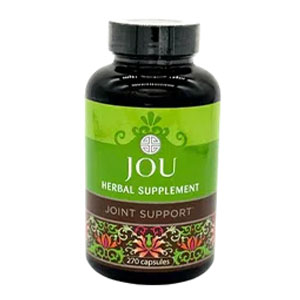 Jou Joint Remedy is an herbal supplement marketed for joint comfort and everyday mobility. The product is associated with JOU Herbal Supplements and has appeared in retail listings as a capsule-based formula.
Some retailer descriptions promote the product as a blend of wild or organic herbs intended to support healthy joint function. They also describe vegetarian capsules and traditional herbal ingredients.
An older product listing identifies the product using UPC 807662262896. Historical listings also associate it with a 270-capsule container.
However, the available information does not establish whether the same formulation remains in production or whether current bottles use the same ingredient blend.
What Does the Formula Contain?
An independent label analysis identifies the following 12 botanical ingredients:
– Organic turmeric root
– Organic licorice root
– Organic angelica pubescens root
– Organic cinnamon twig
– Organic teasel root
– Organic kudzu root and stem
– Organic mulberry twig
– Organic clematis root
– Organic Sichuan teasel root
– Organic tuber curcuma
– Organic millettia root
– Additional botanical components within the proprietary blend
The analysis reports a total proprietary blend of 1.5 g but does not provide the individual amounts.
There is also a product-identification issue worth noting. One third-party listing describes a 100% organic herbal formula, while other product pages provide incomplete or conflicting ingredient information. Consumers should not assume that every listing refers to an identical formulation.
For this reason, I would request a current Supplement Facts label and manufacturer contact information before purchasing.
How It Works
Jou Joint Remedy is marketed around traditional herbal ingredients rather than a conventional glucosamine-and-chondroitin formula.
The botanical combination appears intended to support joint comfort through several proposed mechanisms.
1. Supporting Inflammation-Related Pathways
Turmeric contains curcuminoids, which researchers have investigated for their effects on inflammatory signaling and oxidative stress.
Some clinical studies suggest that specific turmeric or curcumin preparations may help improve osteoarthritis symptoms. However, the results depend on the extract, dosage, and formulation.
Jou Joint Remedy does not provide enough information to determine its curcuminoid concentration or compare its turmeric content with clinical research.
2. Traditional Herbal Joint Support
Angelica pubescens, teasel, clematis, kudzu, and other botanical ingredients appear in traditional Chinese herbal practices.
These plants have been used in different herbal preparations associated with discomfort and mobility. However, traditional use does not establish clinical effectiveness.
Research on a multi-herb Chinese medicine preparation also cannot be applied automatically to Jou Joint Remedy because the species, proportions, extraction methods, and dosage may differ.
3. Antioxidant and General Wellness Support
Turmeric, cinnamon, kudzu, and other plant ingredients contain naturally occurring compounds investigated for antioxidant activity.
Oxidative stress is involved in several biological processes associated with inflammation and tissue health. However, antioxidant activity in laboratory research does not automatically translate into reduced joint pain or improved mobility in humans.
**Overall mechanism assessment:** Jou Joint Remedy has a traditional herbal approach, but its proposed mechanisms have not been established through clinical testing of the finished product.
Jou Joint Remedy Key Ingredients
The available independent label analysis identifies 12 botanical ingredients within a 1.5 g proprietary blend. Because individual amounts are not disclosed, it is not possible to determine whether the formula contains clinically relevant quantities of each herb.
The following assessment examines the ingredients with available scientific background.
1. Turmeric Root
Turmeric is one of the better-known botanical ingredients investigated for joint health. Its principal active compounds include curcuminoids, particularly curcumin.
Researchers have examined turmeric extracts for their potential effects on:
– Osteoarthritis-related discomfort.
– Joint stiffness.
– Inflammation-related pathways.
– Physical function.
– Oxidative stress.
A systematic review and meta-analysis of randomized clinical trials found that turmeric and curcumin preparations may improve certain osteoarthritis symptoms. However, the studies used different preparations and dosages, and the findings do not establish that every turmeric-containing supplement produces the same results.
Explore PubMed systematic reviews of turmeric and curcumin for osteoarthritis.
The National Center for Complementary and Integrative Health also explains that evidence for turmeric in musculoskeletal conditions remains limited.
Read the NCCIH turmeric evidence and safety overview.
**Editorial assessment:** Turmeric is a scientifically relevant ingredient for joint-health research. However, Jou Joint Remedy does not disclose its turmeric quantity or curcuminoid concentration, making comparisons with clinical studies impossible.
2. Licorice Root
Licorice root contains several plant compounds, including glycyrrhizin. Researchers have investigated licorice for its biological and anti-inflammatory properties.
However, human clinical evidence demonstrating that oral licorice root improves osteoarthritis symptoms is limited.
Licorice also deserves particular safety consideration. Excessive glycyrrhizin exposure can cause potassium depletion, fluid retention, and increased blood pressure. It may also interact with certain medications.
The National Center for Complementary and Integrative Health provides an overview of licorice-related safety concerns.
Read the NCCIH licorice root safety information.
**Editorial assessment:** Licorice has a traditional herbal background, but its presence does not establish a joint-health benefit. The undisclosed amount and glycyrrhizin concentration make safety assessment difficult.
3. Angelica Pubescens Root
Angelica pubescens is a botanical used in traditional Chinese herbal practices. It is sometimes associated with herbal preparations intended for discomfort and mobility support.
Researchers have investigated compounds from Angelica species for anti-inflammatory and other biological activities. Much of this research is preclinical, and evidence from laboratory experiments cannot establish effectiveness in people.
A major limitation is that different Angelica species and extracts are not interchangeable. The exact botanical identity and preparation should be confirmed on the product label.
Explore PubMed research on Angelica pubescens and joint-related outcomes.
**Editorial assessment:** Angelica pubescens has traditional relevance, but reliable human evidence for treating joint discomfort remains insufficient.
4. Cinnamon Twig
Cinnamon is a familiar botanical used in foods and traditional herbal preparations. Researchers have investigated cinnamon compounds for antioxidant and anti-inflammatory activity.
However, cinnamon twig is not necessarily equivalent to cinnamon bark extracts used in clinical studies.
There is insufficient high-quality human evidence to conclude that the cinnamon twig ingredient in Jou Joint Remedy improves osteoarthritis symptoms or restores joint function.
Explore PubMed research on cinnamon and joint health.
**Editorial assessment:** Cinnamon has interesting biological properties, but its direct relevance to joint health remains uncertain.
5. Teasel Root
Teasel root is used in traditional herbal practices, including some Chinese herbal preparations associated with musculoskeletal discomfort.
Research involving teasel species has investigated various biological activities. However, robust human clinical evidence showing that teasel root improves osteoarthritis symptoms is limited.
The exact teasel species, plant part, and extraction method matter when evaluating the research.
Explore PubMed research on teasel root and musculoskeletal health.
**Editorial assessment:** Teasel root has a traditional-use background, but the available evidence does not establish a measurable joint-health benefit from this ingredient in Jou Joint Remedy.
6. Kudzu Root and Stem
Kudzu is a plant used in traditional herbal practices. Its roots contain compounds called isoflavones, including puerarin.
Researchers have investigated kudzu compounds for several biological effects, including cardiovascular, metabolic, and inflammatory pathways.
However, evidence demonstrating that oral kudzu root or stem improves joint pain or cartilage health in humans is limited.
Explore PubMed research on kudzu and joint-related outcomes.
**Editorial assessment:** Kudzu provides a traditional botanical component, but its effectiveness for joint health remains unproven.
7. Mulberry Twig
Mulberry twig is used in traditional Chinese herbal preparations. Researchers have investigated compounds from different parts of the mulberry plant for antioxidant and other biological properties.
However, research on mulberry leaves, fruits, and twigs should not be treated as interchangeable. The plant part and preparation can substantially affect its chemical composition.
There is insufficient high-quality human research establishing that mulberry twig supplements improve osteoarthritis symptoms.
Explore PubMed research on mulberry twig and inflammation-related outcomes.
**Editorial assessment:** Mulberry twig has a traditional herbal background, but direct clinical evidence for joint benefits is limited.
8. Clematis Root
Certain Clematis species appear in traditional Chinese herbal practices. Researchers have investigated some species for their potential biological and anti-inflammatory properties.
However, botanical identification is particularly important because different Clematis species may have different chemical profiles and safety considerations.
There is not enough reliable human evidence to establish that the clematis ingredient in Jou Joint Remedy reduces joint pain or improves mobility.
Explore PubMed research on Clematis and traditional joint-health preparations.
**Editorial assessment:** Clematis has traditional-use relevance, but product-specific and human clinical evidence remains insufficient.
9. Sichuan Teasel Root
Sichuan teasel is associated with traditional Chinese herbal practices and is sometimes used in preparations intended for musculoskeletal wellness.
Research into traditional herbal combinations has investigated various plant species used for joint-related symptoms. However, evidence for one multi-herb preparation cannot prove the effectiveness of an individual ingredient.
Explore PubMed research on Sichuan teasel and joint health.
**Editorial assessment:** Its inclusion is consistent with a traditional herbal approach, but convincing human evidence for this ingredient alone is lacking.
10. Tuber Curcuma
Tuber Curcuma refers to an underground plant part associated with Curcuma species. Different Curcuma species and plant preparations may contain different compounds.
This ingredient should not automatically be treated as identical to standardized turmeric extract or curcumin supplements.
Researchers have investigated various Curcuma preparations for inflammatory and musculoskeletal outcomes, but the evidence depends on the exact species and formulation.
Explore PubMed research on Curcuma and joint-related outcomes.
**Editorial assessment:** Curcuma has scientific interest, but the label does not provide enough botanical and standardization information to determine the relevance of the research to this product.
11. Millettia Root
Millettia species are used in traditional herbal preparations. Researchers have investigated certain plant compounds for antioxidant and other biological activities.
However, the exact species and preparation are important. Different plants within the same botanical group may have different chemical profiles.
There is insufficient high-quality human clinical evidence establishing that Millettia root improves osteoarthritis symptoms or joint mobility.
Explore PubMed research on Millettia and inflammation-related outcomes.
**Editorial assessment:** Millettia adds another traditional botanical to the blend, but its direct clinical contribution to joint health remains uncertain.
Overall Ingredient Assessment
Jou Joint Remedy contains a combination of botanicals associated with traditional Chinese herbal practices. Turmeric has the most recognizable modern joint-health research among the identified ingredients, although its clinical effects depend on formulation and dosage.
Several other herbs have preclinical or traditional-use backgrounds, but reliable human evidence remains limited.
The most significant limitation is the 1.5 g proprietary blend. Without individual ingredient amounts, extract standardization, and clear botanical specifications, it is impossible to determine whether the formula provides meaningful quantities of the ingredients.
Jou Joint Remedy Benefits
The manufacturer and retailer descriptions position Jou Joint Remedy as a supplement for joint wellness. Based on the available formula information, the following points describe its intended benefits rather than guaranteed clinical outcomes.
- Support everyday joint wellness: The herbal blend is marketed for adults interested in maintaining comfortable joint function.
- Complement mobility-focused routines: The capsule format may appeal to people who prefer adding a traditional herbal supplement to an established wellness routine.
- Provide botanical compounds: Ingredients such as turmeric and cinnamon contain plant compounds investigated for antioxidant and inflammation-related activity.
- Offer a traditional herbal approach: The formula includes several botanicals associated with traditional Chinese herbal practices.
- Provide a capsule-based option: The product is described by retailers as a vegetarian-capsule supplement rather than a topical product or powder.
There is currently insufficient product-specific evidence to claim that Jou Joint Remedy reliably reduces arthritis pain, rebuilds cartilage, reverses joint degeneration, or restores mobility.
Jou Joint Remedy Pros & Cons
Pros
- Contains several botanicals traditionally associated with joint and musculoskeletal wellness.
- Includes turmeric, which has been investigated in human osteoarthritis research.
- Retail descriptions identify the product as a vegetarian-capsule supplement.
- Historical product identification is available through UPC 807662262896.
- Offers a different formulation approach from conventional glucosamine-and-chondroitin products.
Cons
- No verifiable official product website was identified.
- No published clinical trial of the finished product was identified.
- The reported 1.5 g proprietary blend does not disclose individual ingredient quantities.
- Different retailers provide inconsistent dosage information.
- Current manufacturing, quality-testing, and product-availability information is unclear.
- Licorice root may cause adverse effects and interact with medications.
- Some listed botanicals have limited human clinical research for joint health.
Comparison Table with Alternatives
Jou Joint Remedy belongs to the joint-health supplement category. HealthBeautyAnswers has reviewed several other products marketed for joint comfort, flexibility, and mobility.
The comparison below focuses on their advertised formulations and evidence-related considerations. It does not establish that one product is clinically superior.
| Product | Format / Category | Main Marketing Focus | Important Consideration |
|---|---|---|---|
| Jou Joint Remedy | Herbal capsules | Traditional herbal joint support | 1.5 g proprietary blend with undisclosed individual quantities |
| Flexi Move | Capsules | Joint comfort and mobility | Eight-ingredient proprietary blend with undisclosed individual amounts |
| FlexCode | Joint-support supplement | Joint mobility and wellness | Product formula and ingredient transparency require verification |
| JointBrex | Capsules | Joint comfort and cartilage support | Ingredient quantities and product-specific evidence require scrutiny |
| SynoCell | Joint-health supplement | Joint lubrication and mobility | Different product pages have displayed inconsistent formulations |
| Osteva | Capsules | Connective-tissue and joint support | Combined collagen blend does not disclose the separate ingredient amounts |
Consumers comparing joint supplements should examine the current Supplement Facts panel, individual ingredient quantities, safety documentation, and clinical evidence. A product with more ingredients is not automatically more effective.
Jou Joint Remedy Customer Reviews
The available customer feedback for Jou Joint Remedy is limited and comes primarily from older retail listings.
One retailer page displays several testimonials, including comments from customers who described improved comfort or better management of knee discomfort. The displayed feedback includes older dates, including 2015 and 2016.
However, the same listing also contains a complaint from a customer who questioned whether the product matched the item ordered. This raises a practical concern about product identification and consistency between listings.
Another product-identification database reports historical retail listings for the UPC, including an opened bottle and an older listing with an expiration date of 2023.
These details do not establish the current product’s availability or the authenticity of every customer review.
What Can Be Concluded from the Reviews?
- Some historical customers reported positive experiences with joint comfort.
- Some feedback questioned whether the delivered product matched the expected item.
- The available reviews are too limited and dated to establish a reliable customer satisfaction trend.
- No independently verified, current review count or rating was identified.
Customer testimonials cannot establish that Jou Joint Remedy treats arthritis or consistently improves joint function. A controlled clinical trial would be needed to demonstrate the effectiveness of the finished formula.
Who Should Use / Avoid Jou Joint Remedy?
Who Might Consider It?
Adults interested in traditional herbal supplements may want to examine Jou Joint Remedy’s ingredient list. The product may appeal to people who prefer botanical formulations rather than conventional glucosamine-and-chondroitin combinations.
However, the lack of individual ingredient quantities and current manufacturer information makes it difficult to recommend the product confidently.
Before considering it, consumers should obtain the current physical label and discuss the complete ingredient list with a healthcare professional.
Who Should Avoid It or Seek Medical Advice First?
Particular caution is appropriate for:
- People taking prescription medication, especially blood pressure or heart medication.
- People taking diuretics, corticosteroids, or medicines that affect potassium levels.
- People with kidney or liver conditions.
- People with high blood pressure or a history of low potassium.
- People with allergies to any listed botanical ingredient.
- Pregnant or breastfeeding individuals.
- People preparing for surgery.
- Anyone with persistent, unexplained, or worsening joint pain.
Licorice root deserves special attention because glycyrrhizin can affect blood pressure and potassium balance. The amount of licorice in Jou Joint Remedy is not disclosed, making individual risk difficult to estimate.
Side Effects & Safety
Jou Joint Remedy contains multiple botanical ingredients, but its complete safety profile cannot be established from the available information.
The exact risk depends on the botanical species, ingredient quantities, extraction methods, individual medical history, and medication use.
Potential Side Effects
Possible adverse effects associated with certain ingredients may include:
- Digestive discomfort: Turmeric and other herbal ingredients may cause nausea, stomach upset, or diarrhea in some individuals.
- Blood pressure changes: Licorice containing glycyrrhizin may increase blood pressure.
- Potassium depletion: Excessive or prolonged licorice consumption may reduce potassium levels.
- Allergic reactions: Botanical ingredients may cause reactions in people sensitive to particular plants.
- Medication interactions: Certain herbal compounds may influence how medicines are absorbed, metabolized, or eliminated.
Licorice Root Requires Particular Caution
Licorice root can be associated with serious adverse effects when consumed in substantial quantities or over extended periods.
Glycyrrhizin may contribute to fluid retention, high blood pressure, and low potassium. These effects can be especially concerning for people with cardiovascular or kidney conditions.
The NCCIH advises caution with licorice, particularly for people with high blood pressure, heart disease, or kidney disease.
Read the NCCIH licorice root safety information.
Quality and Contamination Concerns
The National Center for Complementary and Integrative Health has reported that some traditional Chinese herbal products have contained undeclared drugs, heavy metals, pesticides, or incorrect plant ingredients.
This does not establish that Jou Joint Remedy is contaminated. However, the absence of accessible current manufacturing and independent testing documentation makes quality verification important.
Read the NCCIH overview of traditional Chinese medicine and product safety.
**Safety assessment:** I would not recommend starting Jou Joint Remedy without verifying the current label and discussing the formula with a healthcare professional, particularly for anyone taking prescription medication. The supplement should not replace medical treatment for arthritis or another diagnosed joint condition.
Jou Joint Remedy Pricing & Packages
I could not verify current official pricing because I did not identify a manufacturer-controlled product website or current official checkout page.
Historical retail and product-identification listings show that Jou Joint Remedy has appeared on third-party marketplaces. One product database reports historical listings at approximately $50 for an opened bottle and $75.99 for an older listing. These are not reliable current prices for a new bottle.
The product has also appeared in listings describing a 270-capsule container. However, current stock, expiration dates, seller authorization, and package condition need to be verified.
| Purchase Detail | Available Information |
|---|---|
| Product | JOU Herbal Supplements Joint Remedy |
| UPC | 807662262896 |
| Reported Container Size | 270 capsules in historical listings |
| Current Official Price | Not verified |
| Historical Marketplace Price | Approximately $50 for an opened bottle; historical listing only |
| Current Availability | Not reliably established |
| Official Money-Back Guarantee | Not verified |
| Official Manufacturer Contact | Not identified |
Where Can It Be Purchased?
Historical listings have appeared on third-party retail marketplaces. However, consumers should verify the seller and product condition before ordering.
For an older supplement, expiration date, sealed packaging, storage conditions, and authenticity are especially important. I would avoid purchasing an opened or expired bottle.
There is no verified official purchase link I can confidently recommend for the current product.
Frequently Asked Questions About Jou Joint Remedy
1. What is Jou Joint Remedy used for?
Jou Joint Remedy is marketed as a herbal dietary supplement for joint comfort and mobility. Retail descriptions associate it with traditional herbal ingredients intended to support healthy joint function. However, clinical research has not established that the finished product treats arthritis or joint pain.
2. What are the ingredients in Jou Joint Remedy?
An independent label analysis identifies 12 botanicals, including turmeric, licorice root, angelica pubescens, cinnamon twig, teasel, kudzu, mulberry twig, clematis, Sichuan teasel, tuber curcuma, and millettia. The ingredients are listed within a 1.5 g proprietary blend without individual quantities.
3. Does Jou Joint Remedy contain glucosamine and chondroitin?
The available independent ingredient analysis does not list glucosamine or chondroitin. It identifies a multi-herb botanical blend instead. Consumers should verify the physical bottle’s Supplement Facts panel before purchasing.
4. Can Jou Joint Remedy relieve arthritis pain?
There is insufficient clinical evidence to establish that Jou Joint Remedy relieves arthritis pain. Some individual ingredients, particularly turmeric, have been investigated for osteoarthritis symptoms, but those findings do not prove that the complete formula is effective.
5. How many capsules should be taken daily?
Available third-party descriptions provide conflicting serving information. An independent product analysis discusses a three-capsule, three-times-daily routine, while another retailer listing provides a different general direction. Because I could not verify a current manufacturer label, I would not recommend following either instruction without checking the physical bottle.
6. How long does Jou Joint Remedy take to work?
There is no verified clinical study establishing a timeframe for Jou Joint Remedy. Research involving individual herbs uses different preparations and study periods, so those findings cannot provide a reliable timeline for this product.
7. Is Jou Joint Remedy made with organic ingredients?
Retail descriptions promote the product as a wild or organic herbal formula. An independent label analysis also identifies several ingredients as organic. However, I could not independently verify a current organic certification or certification document for the finished product.
8. Is Jou Joint Remedy safe to take with medication?
Safety depends on the medication and the complete formula. Licorice root may affect blood pressure and potassium levels, and other botanical ingredients may interact with prescription drugs. People taking medication should consult a healthcare professional before use.
9. Does Jou Joint Remedy have a money-back guarantee?
I could not verify an official manufacturer money-back guarantee. Buyers should not assume that a third-party marketplace offers the same refund conditions as a manufacturer-backed purchase.
10. Where can Jou Joint Remedy be purchased?
The product has appeared in historical third-party retail listings under UPC 807662262896. However, I could not verify a current official website or authorized seller. Buyers should confirm the product’s authenticity, expiration date, packaging, and current ingredient label before ordering.
Final Verdict: Is Jou Joint Remedy Worth Considering?
Jou Joint Remedy is a traditional herbal joint-health supplement associated with a 12-ingredient botanical blend. Its reported ingredients include turmeric, licorice root, angelica pubescens, cinnamon twig, teasel, kudzu, mulberry twig, and several other plants used in traditional herbal preparations.
The formula has an interesting botanical concept, particularly because turmeric has been investigated in human studies involving osteoarthritis symptoms. However, evidence for the other ingredients is substantially more limited, with much of the research involving laboratory studies, animal models, or traditional use rather than well-controlled human clinical trials.
The biggest concern is the lack of transparency. The reported 1.5 g proprietary blend does not disclose the individual amounts of its 12 herbs. Without those details, it is impossible to determine whether the product contains meaningful quantities of the ingredients or compare its formula with published clinical research.
The absence of a verifiable official website, current manufacturer contact information, and product-specific clinical trials also makes it difficult to assess quality, authenticity, and availability. Licorice root introduces an additional safety consideration because excessive glycyrrhizin exposure can affect blood pressure and potassium levels.
Our Top Joint Health & Bone Strength Products
We evaluated these products based on key factors relevant to their intended use. Our editorial ratings consider ingredient transparency, available scientific evidence, formulation quality, safety considerations, value, and other product-specific factors.
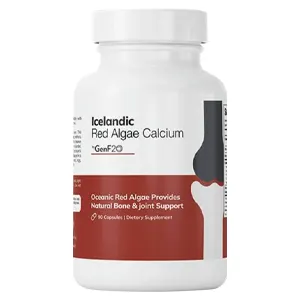
Red Algae Calcium
Product Type: Dietary Supplement
Primary Use: Bone Strength & Joint Mobility Support
Overall Rating: 4.9/5
Price: $59.95
Key Benefits
- Supports bone strength and mineral density
- Supports joint flexibility and mobility
- Provides calcium, magnesium, vitamin D3 and vitamin K2
- Supports healthy inflammatory balance
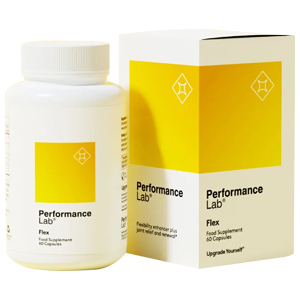
Performancelab Flex
Product Type: Dietary Supplement
Primary Use: Joint Health, Mobility & Flexibility Support
Overall Rating: 4.8/5
Price: $49.00
Key Benefits
- Supports comfortable joint movement
- Supports whole-body flexibility
- Supports healthy cartilage and connective tissues
- Supports joint lubrication and mobility

LeanBliss
Product Type: Dietary Supplement
Primary Use: Healthy Aging, Energy & Vitality Support
Overall Rating: 4.8/5
Price: $49.95
Key Benefits
- Supports energy and vitality
- Supports lean muscle mass
- Supports healthy body composition
- Supports memory and cognitive function