
Introduction
Akemi Coffee Boost is a powdered dietary supplement designed to mix into coffee, tea, water, or smoothies. The manufacturer markets it as a convenient way to support metabolism, appetite control, and weight management without changing an established morning routine.
The formula contains seven listed ingredients: green tea extract, green coffee bean extract, white kidney bean extract, mulberry leaf extract, L-carnitine L-tartrate, resistant dextrin, and psyllium husk. The manufacturer also states that each sachet contains approximately 30 mg of naturally sourced caffeine from green coffee bean extract.
But does adding Akemi Coffee Boost to coffee actually help with weight loss? The evidence is less convincing than the marketing suggests. Some ingredients have been studied for weight management, digestion, or post-meal blood sugar responses, but those findings do not prove that this particular formula produces meaningful results.
**My initial assessment:** Akemi Coffee Boost offers a convenient supplement format, but unclear ingredient doses and the absence of a publicly verifiable clinical trial of the finished product make its effectiveness difficult to establish.
Quick Summary Box
| Feature | Details |
|---|---|
| Product | Akemi Coffee Boost |
| Category | Weight-management dietary supplement |
| Format | Powdered single-serving sachets |
| Listed ingredients | Seven botanical, nutrient, and fiber ingredients |
| Caffeine | Approximately 30 mg per sachet, according to the manufacturer |
| Suggested use | One sachet daily, mixed into a beverage |
| Main advertised benefits | Metabolism support, appetite control, and carbohydrate-related support |
| Clinical evidence | No independently verifiable finished-product trial identified |
| Advertised price | $29.99 for one box on a separate Akemi storefront; confirm the offer at checkout |
| Refund policy | Advertises a 30-day money-back guarantee |
| Overall assessment | Insufficient evidence to confirm meaningful weight-loss benefits |
What Is Akemi Coffee Boost?
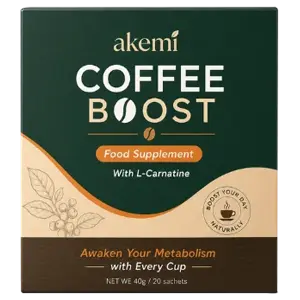 Akemi Coffee Boost is a powdered supplement packaged in individual sachets. The manufacturer recommends stirring one sachet into a preferred beverage, including hot or iced coffee, tea, water, or a smoothie.
The product’s central selling point is convenience. Rather than taking separate capsules or preparing a dedicated shake, consumers can add the powder to an existing beverage routine.
The sales page presents the formula as a way to support fat metabolism, reduce cravings, influence carbohydrate digestion, and promote fullness. However, these are manufacturer claims rather than established outcomes for the complete product.
I could not identify a publicly verifiable randomized clinical trial testing Akemi Coffee Boost itself for weight loss. The available product information also does not clearly disclose the individual ingredient quantities needed to compare its formula with research protocols.
That distinction matters. A supplement may contain ingredients with scientific research behind them without delivering the amounts, extract specifications, or combination required to reproduce those findings.
How Does Akemi Coffee Boost Work?
The manufacturer describes Akemi Coffee Boost as a combination of ingredients intended to support several aspects of weight management.
- Metabolism support: Green tea extract and green coffee bean extract supply plant compounds investigated for their potential metabolic effects.
- Carbohydrate digestion: White kidney bean extract is studied for its ability to inhibit certain carbohydrate-digesting enzymes.
- Post-meal glucose response: Mulberry leaf extract contains compounds investigated for their effects on carbohydrate absorption and post-meal blood glucose.
- Energy metabolism: L-carnitine participates in transporting fatty acids into mitochondria, where the body can use them for energy.
- Fullness and digestive support: Resistant dextrin and psyllium provide dietary fiber, which can influence bowel function and, depending on the amount consumed, fullness.
These mechanisms are biologically plausible, but they do not establish that Akemi Coffee Boost produces noticeable fat loss. Weight management depends on overall energy intake, physical activity, sleep, health conditions, medications, and other factors.
The product also does not replace a balanced diet or a clinically appropriate weight-management plan.
Akemi Coffee Boost Key Ingredients: What Does Science Say?
The following assessment separates ingredient research from evidence for the finished product. Since the manufacturer does not clearly disclose the individual amounts on the sales page reviewed, I cannot determine whether the formula supplies research-relevant doses.
1. Green Tea Extract
Green tea contains catechins, including epigallocatechin gallate (EGCG), and may also contain caffeine. Researchers have investigated these compounds for their possible effects on energy expenditure and body weight.
However, the National Center for Complementary and Integrative Health reports that green tea has not demonstrated meaningful weight-loss effectiveness in scientific studies. Results can also vary according to the preparation and composition of the product.
Source: NCCIH: Green Tea—usefulness and safety.
This evidence does not support claims that Akemi Coffee Boost reliably increases fat burning or produces substantial weight loss.
2. Green Coffee Bean Extract
Green coffee bean extract comes from unroasted coffee beans and contains chlorogenic acids. Some researchers have investigated these compounds for potential effects on body weight and glucose metabolism.
The NIH Office of Dietary Supplements notes that only a few clinical trials have examined green coffee bean extract for weight loss, and the available studies have important methodological limitations.
Source: NIH Office of Dietary Supplements: Dietary Supplements for Weight Loss.
Akemi Coffee Boost’s approximately 30 mg of caffeine per sachet is a manufacturer-reported figure. It does not reveal the amount of chlorogenic acids or establish that the extract promotes meaningful fat loss.
3. White Kidney Bean Extract
White kidney bean extract (*Phaseolus vulgaris*) has been studied for its potential to inhibit alpha-amylase, an enzyme involved in starch digestion.
A 2026 systematic review and meta-analysis included eight randomized controlled trials involving 543 adults with overweight or obesity. It reported modest average reductions in weight and several body-composition measures among participants receiving white kidney bean extract.
Study: White kidney bean extract and weight management: 2026 systematic review and meta-analysis.
These findings are relevant to the ingredient, but they do not establish that Akemi Coffee Boost works. The product’s extract specifications and dose are not clearly disclosed, and the study results cannot automatically be applied to this particular blend.
4. Mulberry Leaf Extract
Mulberry leaf extract contains compounds such as 1-deoxynojirimycin (DNJ), which researchers have investigated for their ability to influence carbohydrate digestion and post-meal blood glucose.
A randomized, double-blind, placebo-controlled trial involving 36 people with impaired fasting glucose examined 5 grams per day of mulberry leaf aqueous extract over four weeks. The researchers reported improvements in certain post-meal glucose responses.
Study: Mulberry leaf extract and postprandial glucose: randomized controlled trial.
The study used a specified dose of a particular extract. Akemi’s product page does not establish that its sachets deliver a comparable amount or produce the same effects. This ingredient should not be treated as a diabetes treatment.
5. L-Carnitine L-Tartrate
L-carnitine helps transport fatty acids into mitochondria for energy production. Researchers have examined whether supplementation can support weight loss, but results have been mixed.
The NIH Office of Dietary Supplements reports that a meta-analysis of nine randomized clinical trials found an average weight difference favoring carnitine supplementation, while emphasizing the need for larger studies.
Source: NIH Office of Dietary Supplements: Carnitine.
L-carnitine’s role in normal energy metabolism does not mean taking it automatically converts stored body fat into measurable weight loss. The amount in Akemi Coffee Boost is not clearly disclosed.
6. Resistant Dextrin
Resistant dextrin is a soluble dietary fiber studied for its effects on digestion and body weight.
A systematic review and meta-analysis of three randomized controlled trials involving 275 overweight adults reported modest improvements in body weight and body mass index. The researchers also called for additional studies in different populations and longer follow-up periods.
Study: Resistant dextrin for weight loss: systematic review and meta-analysis.
The findings offer some support for further research on this fiber, but the amount of resistant dextrin in Akemi Coffee Boost is not clearly established. Therefore, the results cannot confirm the product’s effectiveness.
7. Psyllium Husk
Psyllium is a soluble fiber that absorbs liquid and forms a gel-like material in the digestive tract. It is commonly used to support bowel regularity and may contribute to fullness when consumed in adequate amounts.
MedlinePlus explains that psyllium must be taken with sufficient liquid and can interact with certain medications.
Source: MedlinePlus: Psyllium—use and precautions.
Although fiber can support a healthy eating pattern, the amount of psyllium in Akemi Coffee Boost is not clearly disclosed. The product’s claims about controlling cravings or reducing food intake therefore remain unverified.
Ingredient evidence summary: White kidney bean extract, resistant dextrin, and some other ingredients have research relevant to weight management or metabolic responses. However, the available evidence does not establish that Akemi Coffee Boost produces the advertised results at its undisclosed individual ingredient doses.
Akemi Coffee Boost Benefits: What Can Consumers Reasonably Expect?
Based on the product format and listed ingredients, the most defensible potential advantages are practical rather than dramatic weight-loss outcomes.
- Simplifies supplement use: Single-serving sachets eliminate the need to measure individual powders.
- Fits an existing routine: The powder can be mixed into a preferred beverage instead of requiring a separate drink preparation.
- Provides additional fiber ingredients: Resistant dextrin and psyllium are included in a formula intended to support digestive and appetite-related goals.
- Offers a modest caffeine contribution: The manufacturer reports approximately 30 mg per sachet, although the caffeine in the original coffee or tea must also be counted.
Claims that the product blocks substantial calorie absorption, eliminates cravings, stabilizes blood sugar, or causes rapid fat loss have not been established for the finished formula.
Akemi Coffee Boost Pros and Cons
Pros
- Convenient single-serving powder format.
- Can be added to several hot or cold beverages.
- Lists seven recognizable ingredients.
- Includes fiber ingredients commonly used to support digestive health.
- Advertises a 30-day money-back guarantee.
Cons
- No independently verifiable clinical trial of the finished product was identified.
- Individual ingredient amounts are not clearly disclosed on the reviewed sales page.
- Some weight-loss claims go beyond the evidence available for the complete formula.
- Green tea extract and psyllium have specific safety considerations.
- Promotional prices and package details should be verified before checkout.
Akemi Coffee Boost vs. Alternatives
The best alternative depends on the primary goal. A fiber supplement may be more straightforward for increasing fiber intake, while a structured nutrition plan provides a broader foundation for weight management.
| Alternative | Main purpose | Important consideration |
|---|---|---|
| Akemi Coffee Boost | Combined botanical and fiber supplement | Individual doses and finished-product effectiveness remain unclear. |
| Psyllium fiber supplement | Supports bowel regularity and dietary fiber intake | Requires adequate liquid and may affect medication timing. |
| Green tea as a beverage | Provides tea polyphenols and, depending on preparation, caffeine | Not a proven weight-loss treatment. |
| Food-based fiber sources | Supports digestive health and a balanced diet | Beans, whole grains, vegetables, fruits, and seeds provide fiber alongside other nutrients. |
| Evidence-based weight-management care | Addresses weight-related goals using individualized strategies | May include nutrition support, behavioral interventions, and medication when clinically appropriate. |
Akemi Coffee Boost’s convenience may appeal to some consumers, but convenience alone does not establish superior effectiveness or value.
Akemi Coffee Boost Customer Reviews
The product’s promotional materials emphasize convenience, taste neutrality, and expected changes in appetite or weight. However, testimonials and customer ratings displayed on a sales page do not establish clinical effectiveness.
I could not independently verify the authenticity or representativeness of the testimonials presented in the marketing material. Nor could I establish that reported weight changes resulted from Akemi Coffee Boost rather than diet, physical activity, other products, or normal changes over time.
Before relying on customer feedback, I would look for independent reviews that identify the exact product, disclose incentives, describe the length of use, and distinguish personal experience from measurable outcomes.
Who Should Use or Avoid Akemi Coffee Boost?
Who might consider it?
Adults interested in a convenient powdered supplement may consider reviewing the complete product label with a healthcare professional. Expectations should remain modest because the finished product’s effectiveness has not been established.
Who should avoid it or seek medical advice first?
- People who are pregnant or breastfeeding, because the safety of the complete formula has not been established.
- People with liver disease or a history of liver problems, particularly given the presence of green tea extract.
- People taking medication for diabetes or blood pressure, because certain ingredients may affect medication safety or glucose responses.
- People with difficulty swallowing or a history of intestinal obstruction, especially when using fiber-containing products.
- People sensitive to caffeine or prone to palpitations, anxiety, or sleep disruption.
- Anyone expecting the supplement to replace a balanced diet or prescribed weight-management treatment.
Akemi Coffee Boost Side Effects and Safety
The manufacturer describes the product as suitable for daily use, but that statement does not establish safety for every consumer. The finished formula has not been adequately evaluated in publicly verifiable clinical trials.
Potential concerns include:
- Caffeine effects: The reported 30 mg per sachet adds to the caffeine already present in coffee, tea, energy drinks, and other products. Total intake matters.
- Green tea extract: Concentrated extracts can cause nausea, abdominal discomfort, and increased blood pressure. Rare cases of liver injury have also been reported.
- Digestive symptoms: Resistant dextrin and psyllium may cause gas, bloating, or changes in bowel habits, particularly when fiber intake increases quickly.
- Medication interactions: Green tea extracts can interact with certain medicines. Psyllium can affect the absorption or timing of some medications.
- Blood glucose considerations: Ingredients studied for post-meal glucose responses should not be combined casually with diabetes medication without professional guidance.
For further safety information, see the NCCIH green tea guidance and MedlinePlus psyllium precautions.
Anyone who experiences unusual symptoms should stop using the product and seek appropriate medical advice. The FDA also explains its oversight of dietary supplements; supplements do not undergo the same premarket approval process as prescription medications.
Akemi Coffee Boost Pricing and Packages
Akemi Coffee Boost is promoted through multiple sales pages, and package offers can differ. A separate Akemi storefront lists the following prices:
| Package | Advertised quantity | Advertised price |
|---|---|---|
| 1 box | 20 sachets | $29.99 |
| 2 boxes | 40 sachets | $49.98 total ($24.99 per box) |
| 3 boxes | 60 sachets | $59.97 total ($19.99 per box) |
These prices come from a separate storefront, so they may not match the exact sales URL supplied for this review. Confirm the actual price, shipping fees, taxes, package quantity, and any recurring billing terms on the checkout page before placing an order.
The seller advertises a 30-day money-back guarantee. Consumers should read the complete written policy, including the return address, whether opened packages qualify, return-shipping costs, and the deadline for requesting a refund.
A discounted multi-box package lowers the advertised per-box cost but requires a larger initial payment. Given the uncertainty surrounding the product’s effectiveness, buying multiple boxes upfront may not represent good value for every consumer.
Frequently Asked Questions About Akemi Coffee Boost
1. What is Akemi Coffee Boost?
Akemi Coffee Boost is a powdered dietary supplement sold in single-serving sachets. It contains seven listed ingredients and is designed to mix into coffee, tea, water, or smoothies.
2. Does Akemi Coffee Boost help with weight loss?
Its effectiveness has not been established through a publicly verifiable clinical trial of the finished product. Research on individual ingredients does not prove that this specific formula causes meaningful weight loss.
3. What ingredients are in Akemi Coffee Boost?
The manufacturer lists green tea extract, green coffee bean extract, white kidney bean extract, mulberry leaf extract, L-carnitine L-tartrate, resistant dextrin, and psyllium husk.
4. How much caffeine does Akemi Coffee Boost contain?
The manufacturer states that each sachet contains approximately 30 mg of naturally sourced caffeine from green coffee bean extract. The caffeine in the beverage used to mix it must be counted separately.
5. How do I take Akemi Coffee Boost?
The manufacturer’s directions recommend mixing one sachet daily into a preferred hot or cold beverage. Follow the actual package label and consult a healthcare professional if there are concerns about ingredients or medication interactions.
6. How long does Akemi Coffee Boost take to work?
A reliable timeline has not been established. Claims that users will notice reduced cravings or visible weight changes within a specific number of days are not confirmed by a clinical trial of the finished product.
7. Does Akemi Coffee Boost block carbohydrates?
White kidney bean extract has been studied for its potential to inhibit certain carbohydrate-digesting enzymes. However, the product’s dose and real-world effect on calorie absorption have not been established.
8. Is Akemi Coffee Boost safe to take every day?
The manufacturer recommends daily use, but individual safety depends on the formula, dose, medical history, and medications. Green tea extract, caffeine, and fiber ingredients have specific precautions.
9. Does Akemi Coffee Boost have a money-back guarantee?
The seller advertises a 30-day money-back guarantee. The exact return conditions should be confirmed on the sales page associated with the purchase.
10. Is Akemi Coffee Boost worth buying?
Its convenience may appeal to people who prefer a drink-mix supplement, but the lack of clear ingredient doses and product-specific clinical evidence makes its weight-loss value uncertain. A balanced diet and evidence-based weight-management strategies remain better-supported starting points.
Final Verdict: Is Akemi Coffee Boost Worth It?
Akemi Coffee Boost combines seven ingredients that have been investigated for metabolism, carbohydrate digestion, energy production, and digestive health. Some findings are promising for specific ingredients and outcomes, but they do not establish that this particular supplement causes meaningful weight loss.
The main concerns are the lack of a verifiable clinical trial of the finished formula, limited transparency about individual ingredient quantities, and marketing claims that extend beyond the available evidence. The reported caffeine content and fiber ingredients also deserve attention when evaluating daily use.
**My verdict:** I would not consider Akemi Coffee Boost a proven weight-loss solution based on the information currently available. Its sachet format may be convenient, but consumers should not expect it to replace dietary changes, physical activity, or evidence-based medical care. Before purchasing, review the full Supplement Facts label, confirm the actual checkout price, and examine the refund terms.
Our Top Weight Loss Products
We evaluated these products based on key factors relevant to their intended use. Our editorial ratings consider ingredient transparency, available scientific evidence, formulation quality, safety considerations, value, and other product-specific factors.
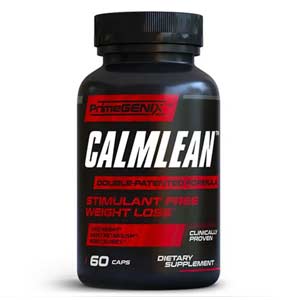
PrimeGENIX CalmLean
Product Type: Dietary Supplement
Primary Use: Weight Management Support
Overall Rating: 4.9/5
Price: $59.00
Key Benefits
- Supports Healthy Weight Management
- Supports Metabolic and Thermogenic Activity
- Supports Appetite and Hunger Management
- Stimulant-free and Caffeine-free Formula
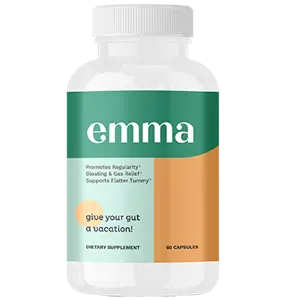
Emma Relief
Product Type: Dietary Supplement
Primary Use: Supports Digestive Comfort
Overall Rating: 4.8/5
Price: $50.00
Key Benefits
- Supports Digestive Comfort
- Promotes Bowel Regularity
- Supports Gut Microbiome Balance
- Supports Healthy Digestion
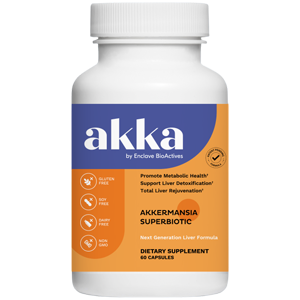
Akka
Product Type: Dietary Supplement
Primary Use: Supports Metabolic Wellness
Overall Rating: 4.8/5
Price: $50.15
Key Benefits
- Supports Gut Health
- Supports Gut Health
- Helps Support Healthy Appetite
- Supports Metabolic Wellness