
Introduction
Memory lapses, difficulty concentrating, and mental fatigue can affect everyday productivity. These concerns have created growing interest in supplements marketed for cognitive health, including products that promise to support memory, focus, and mental clarity.
Mindora is one such supplement. Its official sales page at onlymindora.com promotes a natural formula designed to support brain health, improve memory, and encourage concentration without caffeine or conventional stimulants.
The product’s advertised ingredients include bacopa monnieri, rhodiola rosea, L-theanine, Panax ginseng, and branched-chain amino acids (BCAAs). These ingredients have attracted varying levels of scientific interest, particularly in research involving memory, attention, stress, and mental fatigue.
However, the product information raises some questions. The website refers to six nutrients in several sections but visibly identifies only five ingredient names. It also does not provide a readable Supplement Facts panel with individual ingredient quantities in the accessible page text. Without those details, it is difficult to compare Mindora’s formula with the doses used in published research.
I also found no published clinical trial evaluating Mindora as a finished product. The available research therefore relates to individual ingredients rather than proof that the complete formula improves cognitive performance.
This Mindora review examines its advertised ingredients, potential benefits, scientific evidence, safety considerations, customer testimonials, pricing, and refund policy.
Quick Summary Box
| Product Detail | Information |
|---|---|
| Product Name | Mindora |
| Category | Brain Health / Memory and Focus |
| Product Type | Dietary supplement |
| Form | Capsules, according to the sales page |
| Primary Marketing Claims | Memory, concentration, mental clarity, and cognitive wellness |
| Advertised Ingredients | Bacopa monnieri, rhodiola rosea, Panax ginseng, L-theanine, and BCAAs |
| Ingredient Amounts | Not clearly readable in the supplied sales-page text |
| Caffeine | The manufacturer claims the formula is caffeine-free |
| Clinical Evidence | No published clinical trial of the complete Mindora formula identified |
| Suggested Use | Two capsules daily, preferably in the morning |
| Manufacturer | Not clearly identified on the supplied sales page |
| Starting Price | $49 per bottle with the six-bottle package |
| Money-Back Guarantee | 60 days, subject to the stated conditions |
What Is Mindora?
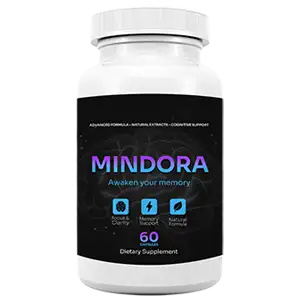 Mindora is a dietary supplement marketed for adults interested in supporting memory, concentration, mental clarity, and everyday cognitive performance.
The manufacturer’s sales page presents it as a natural, stimulant-free formula containing a combination of botanical extracts and amino acids. It is intended for people who experience occasional forgetfulness, difficulty maintaining focus, or mental fatigue.
The product page organizes its marketing around several cognitive-support goals:
- Memory support: Bacopa monnieri is promoted for its traditional association with learning and memory.
- Focus and concentration: L-theanine is included for its potential role in attention and relaxed alertness.
- Mental energy: Rhodiola rosea and Panax ginseng are promoted for their traditional use in managing fatigue and supporting vitality.
- Brain nutrition: BCAAs provide essential amino acids involved in normal protein metabolism.
- Stress resilience: The manufacturer presents its botanical ingredients as a combination intended to support mental performance during demanding periods.
The sales page also claims that Mindora does not contain caffeine or added stimulants. This may appeal to consumers who prefer a supplement without the immediate stimulant effects associated with caffeinated products.
However, Mindora should not be confused with a treatment for memory disorders, dementia, Alzheimer’s disease, ADHD, or other neurological conditions. The manufacturer itself states that the product is not intended to diagnose, treat, cure, or prevent disease.
**Important formula clarification:** The supplied website refers to six nutrients in some sections but names five active ingredients in its ingredient descriptions. I could not independently confirm a sixth ingredient from the accessible page text. A separate website using the Mindora name publishes a different formula, so its ingredient list should not be substituted for the product sold through onlymindora.com.
How Does Mindora Work?
Mindora is marketed as a multi-ingredient cognitive-support supplement. Its proposed approach involves memory-related botanical compounds, amino acids associated with neurotransmitter activity, and plant extracts traditionally used for fatigue and stress.
The following mechanisms are based on ingredient research and the manufacturer’s explanations. They do not establish that Mindora produces the same effects.
1. Supporting Memory and Learning
Bacopa monnieri is traditionally used in Ayurvedic preparations and has been investigated for its possible effects on memory and cognitive performance.
Researchers have examined bacopa’s bacosides and other plant compounds for their potential involvement in neuronal signaling and antioxidant activity.
Some clinical studies have reported improvements in selected memory measurements after consistent supplementation. However, results are not uniform across trials, and the effects depend on the specific extract, dose, and study population.
2. Supporting Attention and Calm Focus
L-theanine is an amino acid naturally found in tea. Researchers have investigated its possible effects on attention, relaxation, and cognitive performance.
Some controlled studies suggest that certain doses may influence reaction time or selected attention measurements. However, findings differ depending on the task, dose, and participant characteristics.
The manufacturer includes L-theanine to support what it describes as calm focus without caffeine.
3. Supporting Mental Energy and Stress Response
Rhodiola rosea and Panax ginseng are botanical ingredients traditionally used in preparations intended to support energy, endurance, and resistance to fatigue.
Some human studies have investigated their effects on perceived fatigue, stress, attention, and memory. Nevertheless, the available evidence is not strong enough to establish that these ingredients consistently improve cognitive performance in all adults.
4. Providing Amino Acids
Mindora also lists branched-chain amino acids, commonly known as BCAAs. These include leucine, isoleucine, and valine.
BCAAs contribute to normal protein metabolism and have been investigated for their possible relationship with brain chemistry and cognitive function.
However, research on BCAA supplementation and cognition remains mixed. A 2026 systematic review found that some studies reported improvements while others found no significant cognitive changes.
Mindora Key Ingredients
The official sales page identifies five ingredients in its descriptions. However, it does not provide a clearly readable Supplement Facts panel with individual quantities in the accessible page text.
This matters because ingredient amounts and extract standardization can influence how closely a supplement resembles preparations used in clinical research.
1. Bacopa Monnieri
Bacopa monnieri, also called Brahmi, is an herb traditionally used in Ayurvedic medicine. It has attracted research interest for its potential effects on memory, learning, and attention.
Some studies have investigated standardized bacopa extracts in adults experiencing age-related memory concerns or other cognitive complaints.
A randomized, double-blind, placebo-controlled trial involving 98 healthy older adults evaluated 300 mg of bacopa extract daily over 12 weeks. The researchers reported improvements in selected verbal learning and memory measurements compared with placebo. Gastrointestinal side effects were also reported.
A meta-analysis of randomized controlled trials found that bacopa supplementation may improve selected cognitive measurements, including attention-related outcomes. However, the researchers emphasized the need for larger, well-designed trials.
More recent evidence also demonstrates why broad claims require caution. A 2025 randomized controlled trial involving 101 adults found no greater overall improvement in cognitive performance with bacopa than with placebo, although the researchers identified possible stress-reduction and anti-fatigue effects requiring further investigation.
**Research links:**
– Randomized Trial: Bacopa and Memory Performance in Older Adults
– Meta-Analysis of Bacopa Monnieri and Cognitive Function
– 2025 Randomized Trial: Bacopa, Cognition, Stress, and Fatigue
**Editorial assessment:** Bacopa is one of the more research-supported ingredients in Mindora’s advertised formula. However, the absence of a disclosed Mindora dose and standardized extract information prevents a reliable comparison with the clinical studies.
2. Rhodiola Rosea
Rhodiola rosea is a plant traditionally used in parts of Europe and Asia. It is commonly marketed as an adaptogen, a term used for substances claimed to help the body respond to stress.
Researchers have investigated rhodiola for possible effects on mental fatigue, stress, mood, and concentration.
A randomized, double-blind, placebo-controlled trial examined a standardized rhodiola extract in people experiencing stress-related fatigue. The study reported improvements in selected fatigue and attention measurements.
However, the findings involved a specific standardized extract and dose. They do not establish that every rhodiola product produces similar effects.
The National Center for Complementary and Integrative Health (NCCIH) notes that there is not enough reliable evidence to determine whether rhodiola is useful for any health-related purpose.
**Research links:**
– Randomized Trial: Rhodiola Rosea and Stress-Related Fatigue
– NCCIH: Rhodiola Usefulness and Safety
**Editorial assessment:** Rhodiola has some preliminary human research involving fatigue and concentration, but the evidence remains limited. Mindora’s undisclosed extract amount makes its potential contribution difficult to assess.
3. Panax Ginseng
Panax ginseng, also called Asian ginseng, is a traditional botanical used in several forms of herbal medicine.
Researchers have investigated its possible effects on mental performance, fatigue, attention, and memory.
A randomized, placebo-controlled study involving healthy young adults examined a standardized Panax ginseng extract. Researchers reported improvements in selected working-memory measurements and subjective calmness under certain conditions.
Another pilot randomized trial investigated a specific red Panax ginseng preparation in tired, healthy participants. The researchers reported improvements in selected attention and memory measurements compared with placebo.
However, these findings should not be generalized to every ginseng extract. The amount of ginsenosides, extraction method, and botanical preparation can influence the composition of a product.
A Cochrane review also concluded that convincing evidence for a general cognitive-enhancing effect of Panax ginseng was lacking.
**Research links:**
– Panax Ginseng and Working Memory in Healthy Adults
– Pilot Trial: Panax Ginseng and Cognitive Performance Under Stress
– Cochrane Review: Ginseng for Cognition
– NCCIH: Asian Ginseng Usefulness and Safety
**Editorial assessment:** Panax ginseng has some human cognitive research, but the evidence is mixed. Without the extract standardization and dose used in Mindora, it is not possible to determine whether its formula matches the studied preparations.
4. L-Theanine
L-theanine is a naturally occurring amino acid found in tea leaves. It has attracted scientific interest because of its possible effects on attention, relaxation, and cognitive performance.
Researchers have studied L-theanine alone and in combination with caffeine. Some studies suggest that it may influence selected attention-related measurements.
A double-blind, placebo-controlled crossover study examined 100 mg, 200 mg, and 400 mg doses in healthy young adults. The researchers reported improvements in selected simple reaction-time measurements, although results were not consistent across more complex cognitive tasks.
A separate 2024 study investigated L-theanine in sleep-deprived young adults and reported improvements in selected visual attention measurements.
These findings do not establish that Mindora improves focus, particularly because the product’s individual L-theanine amount is not disclosed.
**Research links:**
– L-Theanine Dose-Response Study: Attention and Cognitive Performance
– L-Theanine and Selective Attention in Sleep-Deprived Adults
– L-Theanine and Neurophysiological Measures of Attention
**Editorial assessment:** L-theanine has some controlled human research involving attention and reaction time. However, these findings are task-specific and do not establish broad improvements in memory or long-term cognitive health.
5. Branched-Chain Amino Acids (BCAAs)
Branched-chain amino acids consist of three essential amino acids:
- Leucine
- Isoleucine
- Valine
The body cannot produce these essential amino acids in sufficient quantities, so they must come from food or supplements.
BCAAs are widely used in sports nutrition because of their role in protein metabolism and muscle-related processes. Researchers have also investigated their possible relationship with brain chemistry and cognitive function.
However, the evidence for cognitive benefits is mixed.
A 2026 systematic review of BCAA supplementation and cognitive function examined available human research. The authors reported that five studies found no significant cognitive changes, while three reported improvements. They concluded that larger and more rigorous trials are needed.
**Research link:**
– 2026 Systematic Review: BCAA Supplementation and Cognitive Function
**Editorial assessment:** BCAAs have established nutritional roles, but their ability to improve memory or concentration remains uncertain. Their presence in Mindora does not demonstrate a nootropic effect.
Ingredient Transparency: What Is Still Missing?
The official Mindora page names five ingredients but does not make their individual amounts clearly readable in the accessible sales-page text.
The website also refers to six nutrients in some sections, creating an inconsistency that should be resolved before publication or purchase.
The manufacturer should provide a clear Supplement Facts panel showing:
- The exact amount of bacopa monnieri per serving.
- The rhodiola rosea extract quantity and standardization.
- The Panax ginseng quantity and ginsenoside standardization, if applicable.
- The amount of L-theanine.
- The total BCAA quantity and leucine:isoleucine:valine ratio.
- The identity and amount of any sixth active ingredient, if one is included.
- All inactive ingredients, capsule materials, and allergen information.
Without these details, it is difficult to evaluate the formula’s strength, compare it with published research, or assess the total daily intake.
Mindora Benefits
Mindora is marketed for several aspects of cognitive wellness. The following points describe its intended benefits, not clinically established outcomes for the complete product.
- Support memory: The manufacturer includes bacopa monnieri, an herb investigated for its possible role in learning and memory.
- Promote concentration: L-theanine has been studied for selected attention and reaction-time measurements.
- Encourage mental clarity: The formula combines botanical extracts and amino acids intended to support everyday cognitive wellness.
- Support mental energy: Rhodiola rosea and Panax ginseng have been investigated for their possible relationship with fatigue and perceived energy.
- Promote calm focus: The manufacturer includes L-theanine as part of its stimulant-free approach to attention support.
- Provide essential amino acids: BCAAs contribute to normal protein metabolism and provide nutrients the body must obtain through diet.
- Avoid added caffeine: The manufacturer claims that Mindora does not contain caffeine or added stimulants.
**Evidence limitation:** No published clinical trial of the complete Mindora formula was identified. These potential benefits should not be interpreted as proof that the product prevents cognitive decline, reverses memory loss, or treats a neurological condition.
Mindora Pros and Cons
Pros
- Lists recognizable ingredients: The sales page identifies five active ingredients rather than relying entirely on an unnamed proprietary blend.
- Includes bacopa monnieri: This botanical has been evaluated in multiple human studies involving memory and cognitive performance.
- Contains L-theanine: This amino acid has some controlled research involving attention and reaction time.
- Claims to be caffeine-free: This may appeal to consumers who prefer supplements without added caffeine.
- Offers multiple package sizes: The sales page provides two-, three-, and six-bottle purchasing options.
- Advertises a 60-day guarantee: The manufacturer states that customers can request a refund under its published guarantee conditions.
Cons
- Does not provide clearly readable ingredient quantities: The accessible page does not allow a complete dose-by-dose assessment.
- Contains inconsistent ingredient-count information: Some sections refer to six nutrients, while only five ingredients are clearly named.
- Lacks finished-product clinical evidence: No published clinical trial of Mindora as a complete formula was identified.
- Uses broad cognitive claims: Statements about addressing the root causes of brain fog and cognitive decline are not established by the ingredient studies reviewed.
- Provides limited independent customer feedback: The testimonials displayed on the sales page are not independently verified.
- Requires careful safety review: Botanical ingredients may cause side effects or interact with certain medications.
Comparison Table: Mindora vs. Other Brain Health Supplements
The following products have existing reviews on HealthBeautyAnswers.com. This comparison helps readers explore other products in the same category. It does not establish that one supplement is clinically superior to another.
| Product | Category | Review Link | Comparison Focus |
|---|---|---|---|
| Mindora | Brain Health | Current review | Advertised memory and focus formula; ingredient-count and dose-transparency questions |
| Brainpill | Brain Health | Brainpill | Memory and cognitive-support claims, formula, and available research |
| Axolt Brain | Brain Health | Axolt Brain | Brain-health marketing claims and ingredient evidence |
| MemoPryl | Brain Health | MemoPryl | Memory-support claims and formula transparency |
| Memo Master | Brain Health | Memo Master | Memory and focus positioning and supporting research |
| MemoClear | Brain Health | MemoClear | Advertised cognitive-support ingredients and evidence limitations |
| Synaptril | Brain Health | Synaptril | Brain-health formula and ingredient-level evidence |
**Comparison takeaway:** Mindora’s key evaluation issue is its incomplete ingredient disclosure. Before comparing its value with other products, consumers should examine the actual Supplement Facts panels, standardized extract amounts, daily serving sizes, independent testing information, and refund conditions.
Mindora Customer Reviews
The official Mindora sales page displays several positive customer testimonials. The featured stories describe improvements in memory, mental clarity, conversation, and everyday confidence.
The testimonials include individuals identified as Robert S., Patricia MS., and Linda K. The website presents these stories alongside five-star ratings and verified-purchase labels.
However, the sales page also includes an important disclaimer: testimonials represent individual experiences, may not reflect typical customer outcomes, and do not guarantee that other customers will experience similar results. It further states that some names and identifying details may have been changed.
I could not independently verify the identities of the featured customers, their purchase records, or their reported cognitive improvements.
These testimonials should therefore be treated as manufacturer-published promotional material rather than independent clinical evidence.
What Should Buyers Look for in Independent Reviews?
Before relying on customer feedback, it is useful to check:
- Whether reviews come from independent platforms.
- Whether the purchase can be verified.
- Whether reviewers disclose the length of use.
- Whether positive and negative experiences are both represented.
- Whether reviews discuss the exact Mindora product sold through onlymindora.com.
- Whether testimonials are paid, incentivized, or reproduced from the manufacturer’s website.
**Customer review assessment:** Mindora’s sales page contains positive testimonials, but independently verified customer feedback is insufficient to establish typical results or product effectiveness.
Who Should Use Mindora and Who Should Avoid It?
Who May Be Interested in Mindora?
Mindora is marketed toward adults who want a non-caffeinated supplement for general cognitive wellness.
People interested in the product may include:
- Adults looking for a supplement marketed for memory and concentration.
- People interested in botanical ingredients such as bacopa and rhodiola.
- Consumers who prefer products marketed without caffeine or conventional stimulants.
- Adults researching supplements that combine amino acids and plant extracts.
These descriptions reflect the product’s intended audience, not evidence that Mindora is suitable or effective for everyone in these groups.
Who Should Avoid Mindora or Seek Medical Advice First?
- People taking prescription medications: Bacopa and ginseng may affect medication metabolism or interact with certain medicines.
- People with diabetes: Panax ginseng may influence blood glucose levels, so professional guidance is important.
- People with autoimmune conditions: NCCIH notes that Asian ginseng may worsen some autoimmune disorders.
- People with bleeding disorders or taking anticoagulants: Asian ginseng may interfere with blood clotting.
- People with thyroid conditions: Bacopa’s suitability may depend on the condition and medication being used.
- Pregnant or breastfeeding individuals: They should not use the product without appropriate medical advice.
- People under 18: Mindora is marketed for adults and should not be used by minors.
Mindora Side Effects and Safety
The manufacturer describes Mindora as a natural, stimulant-free formula. However, natural ingredients are not automatically safe for every person.
Because the accessible product page does not provide a complete, clearly readable Supplement Facts panel, it is not possible to establish the precise safety profile of the finished formula.
The following considerations relate to its advertised ingredients.
Bacopa Monnieri
Bacopa is generally considered reasonably well tolerated in studied preparations, but gastrointestinal symptoms can occur.
Reported effects include:
- Nausea
- Abdominal cramps
- Increased stool frequency
- Diarrhea
Laboratory research also suggests that bacopa extracts may influence certain cytochrome P450 enzymes involved in medication metabolism. The clinical significance depends on the specific extract and medication.
Research: Bacopa Monnieri and Human Cytochrome P450 Enzymes.
Rhodiola Rosea
NCCIH reports that rhodiola may be safe for short-term use, but reliable information about its long-term safety is limited.
Potential concerns include:
- Dizziness
- Dry mouth
- Headache
- Possible medication interactions
Research: NCCIH Rhodiola Safety Information.
Panax Ginseng
According to NCCIH, insomnia is the most common side effect associated with Asian ginseng. Other uncommon reports include severe rash, liver damage, and allergic reactions.
Ginseng may also:
- Lower blood sugar levels.
- Interfere with blood clotting.
- Worsen some autoimmune disorders.
- Interact with certain prescription medications.
Research: NCCIH: Asian Ginseng Usefulness and Safety.
L-Theanine
L-theanine is generally well tolerated in the amounts used in many short-term studies. However, the long-term safety of every possible supplemental dose is not established.
People taking medication for blood pressure, anxiety, sleep, or other conditions should discuss the complete formula with a healthcare professional.
BCAAs
BCAAs are essential amino acids found naturally in protein-containing foods. Supplementation may not be appropriate for everyone, particularly people managing certain metabolic or kidney-related conditions.
Because Mindora does not provide a clearly readable BCAA quantity in the accessible page text, the total supplemental intake cannot be assessed.
FDA and Supplement Quality Considerations
The FDA does not approve dietary supplements for effectiveness before they are marketed. A statement that a product is manufactured in an FDA-registered facility does not mean that the FDA has approved the supplement.
The Mindora sales page claims that its ingredients are laboratory-tested and that the product is manufactured in an FDA-registered facility in the United States. However, I could not independently verify the complete manufacturing and testing documentation from the supplied page.
Consumers should request:
- A complete Supplement Facts panel.
- A current Certificate of Analysis for the actual product batch.
- Independent identity and potency testing details.
- Heavy-metal and microbial testing information.
- Clear manufacturer and distributor details.
**Safety recommendation:** Anyone taking prescription medication, managing a chronic health condition, or experiencing persistent memory problems should consult a qualified healthcare professional before using Mindora. A supplement should not replace an evaluation for unexplained or worsening cognitive symptoms.
Mindora Pricing and Packages
The official Mindora sales page lists three purchasing options. The displayed prices are in US dollars.
| Package | Supply | Price Per Bottle | Total Price | Shipping |
|---|---|---|---|---|
| 2 Bottles | 60 days | $79 | $158 | Additional shipping charge |
| 3 Bottles | 90 days | $59 | $177 | Free US shipping |
| 6 Bottles | 180 days | $49 | $294 | Free US shipping |
The six-bottle package has the lowest advertised per-bottle price. However, it requires a larger upfront payment, and the purchase should be evaluated against the product’s incomplete ingredient disclosure and lack of finished-formula clinical evidence.
60-Day Money-Back Guarantee
The sales page advertises a 60-day satisfaction guarantee beginning on the purchase date.
The stated conditions say that customers should use the product for at least 30 days before requesting a refund if they are not satisfied.
Before placing an order, buyers should confirm the complete return policy, including:
- Whether opened bottles are eligible for a refund.
- Whether the original shipping charge is refundable.
- Whether return shipping costs apply.
- How to request a refund.
- Whether the guarantee covers every package size.
- The exact deadline for contacting customer support.
The sales page states that orders are one-time purchases without automatic renewals or hidden subscription charges. Buyers should still check the final checkout summary before submitting payment.
Frequently Asked Questions About Mindora
1. What is Mindora used for?
Mindora is a dietary supplement marketed for memory, concentration, mental clarity, and cognitive wellness. Its advertised ingredients include bacopa monnieri, rhodiola rosea, Panax ginseng, L-theanine, and BCAAs.
2. Does Mindora really improve memory?
There is not enough product-specific clinical evidence to establish that Mindora improves memory. Bacopa monnieri has been investigated in human memory studies, but those findings cannot prove that the complete Mindora formula produces the same results.
3. What are the ingredients in Mindora?
The supplied sales page identifies five ingredients: bacopa monnieri, rhodiola rosea, Panax ginseng, L-theanine, and branched-chain amino acids. Some sections refer to six nutrients, but the accessible page text does not clearly identify a sixth ingredient.
4. Does Mindora contain caffeine?
The manufacturer claims that Mindora is caffeine-free and does not contain added stimulants. Consumers should verify the complete Supplement Facts and other-ingredients panels to confirm the formula.
5. How should Mindora be taken?
The official sales page recommends taking two capsules daily, preferably in the morning with an eight-ounce glass of water. It also suggests taking the capsules 20 to 30 minutes before a meal. Buyers should follow the directions on the actual product label.
6. How long does Mindora take to work?
The manufacturer recommends consistent use and suggests evaluating the product after at least 30 days. However, no published clinical trial of the complete Mindora formula establishes a reliable timeline for results.
7. Does Mindora have side effects?
Potential side effects depend on the ingredients, quantities, and individual health conditions. Bacopa may cause digestive symptoms, rhodiola may cause headache or dizziness, and Panax ginseng may cause insomnia or interact with certain medications.
8. Is Mindora FDA-approved?
No. Mindora is marketed as a dietary supplement, not an FDA-approved drug. The FDA does not approve dietary supplements for effectiveness before they are marketed.
9. How much does Mindora cost?
The official sales page lists two bottles for $158, three bottles for $177, and six bottles for $294. The advertised per-bottle prices are $79, $59, and $49, respectively. Shipping is additional for the two-bottle package and free for the three- and six-bottle packages.
10. Is Mindora safe for daily use?
The manufacturer recommends daily use, but the complete safety profile cannot be confirmed without a clearly readable ingredient label and quantities. People taking medication or managing a medical condition should consult a healthcare professional before using it.
Final Verdict: Is Mindora Worth Considering?
Mindora is marketed as a stimulant-free brain-health supplement designed to support memory, focus, mental clarity, and everyday cognitive wellness. Its advertised formula includes several ingredients with scientific research behind them, particularly bacopa monnieri and L-theanine.
Some human studies suggest that particular bacopa preparations may improve selected memory measurements. L-theanine has also been investigated for attention-related effects, while rhodiola and Panax ginseng have attracted research interest involving fatigue and cognitive performance.
However, the evidence is not strong enough to establish that Mindora produces these outcomes as a complete formula.
The most important concern is ingredient transparency. The supplied website refers to six nutrients in some sections but visibly identifies only five. It also does not provide clearly readable individual ingredient quantities in the accessible page text. This makes it difficult to compare the formula with clinical studies or assess its overall value.
The sales page provides three package options and advertises a 60-day money-back guarantee. Those purchasing terms may be attractive, but they do not compensate for missing formula details or the absence of a published clinical trial.
**My assessment:** Mindora has an interesting combination of ingredients commonly associated with cognitive wellness, but the available evidence does not establish that the finished product improves memory, reverses brain fog, or prevents cognitive decline. I would want to verify the complete Supplement Facts panel, individual ingredient quantities, and independent quality-testing documentation before considering it a well-supported brain-health supplement.
Adults experiencing persistent or worsening memory problems should seek medical evaluation rather than relying on a dietary supplement. Memory difficulties can have many causes, including sleep problems, medication effects, nutritional deficiencies, and underlying medical conditions.
Our Top Memory, Focus & Cognitive Products
We evaluated these products based on key factors relevant to their intended use. Our editorial ratings consider ingredient transparency, available scientific evidence, formulation quality, safety considerations, value, and other product-specific factors.
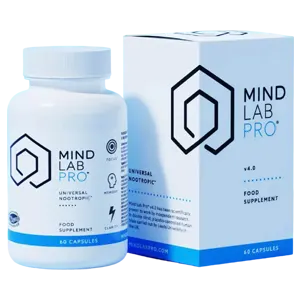
Mind Lab Pro
Product Type: Dietary Supplement
Primary Use: Cognitive Performance Support
Overall Rating: 4.9/5
Price: $69.00
Key Benefits
- Supports focus and concentration
- Supports memory and recall
- Supports mental clarity and cognitive performance
- Supports mood, motivation and mental energy
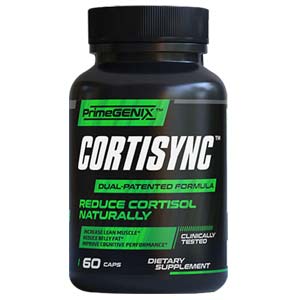
PrimeGENIX CortiSync
Product Type: Dietary Supplement
Primary Use: Cortisol, Stress & Adrenal Support
Overall Rating: 4.8/5
Price: $59.00
Key Benefits
- Supports healthy cortisol levels
- Supports stress management and resilience
- Supports energy and physical performance
- Supports focus and cognitive function
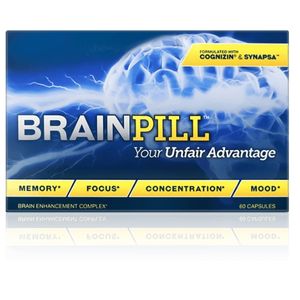
Brainpill
Product Type: Dietary Supplement
Primary Use: Memory, Focus Support
Overall Rating: 4.7/5
Price: $69.95
Key Benefits
- Supports memory and recall
- Supports focus and concentration
- Supports mental performance under pressure
- Supports cognitive energy and productivity