
JellyLean is a gummy dietary supplement marketed for weight management, appetite control, metabolism, and fat burning. The official website promotes a formula built around apple cider vinegar (ACV), BHB salts, apple pectin, and beet root powder, and claims that the product can accelerate fat burning, boost metabolism, reduce cravings, increase energy, and support long-term weight management.
My assessment is cautious rather than strongly positive. Some of the ingredients promoted by JellyLean have been studied individually, but that does not establish that the finished JellyLean gummy produces clinically meaningful weight loss. The NIH also notes that most dietary supplements marketed for weight loss have limited evidence and that manufacturers rarely conduct large, long-term human studies on their finished products.
There is also an important formulation-transparency issue. The current JellyLean website identifies BHB salts and apple pectin as featured ingredients, while an independently documented Supplement Facts panel reported in 2026 lists a different active-ingredient profile: ACV powder, pomegranate juice powder, beet juice powder, vitamin B6, folate, vitamin B12, iodine, and sodium. Because the two descriptions do not match, I would verify the Supplement Facts panel on the bottle being purchased before relying on any ingredient-specific claim.
Quick JellyLean Review Summary
| Category | Assessment |
|---|---|
| Product type | Weight-management gummy dietary supplement |
| Primary marketing claims | Fat burning, metabolism, appetite and craving support |
| Officially promoted ingredients | Apple cider vinegar, BHB salts, apple pectin, beet root powder |
| Reported verified-label ingredients | ACV powder, pomegranate, beet juice, B6, folate, B12, iodine, sodium |
| Product-specific clinical trial | Not identified |
| Gummy format | Convenient, but the reported label contains added sugar |
| Money-back guarantee | 60 days according to the official website |
| Official package pricing | Approximately $49–$89 per bottle depending on package |
| Overall assessment | Interesting weight-management formula, but product-specific evidence and formulation transparency are limited |
What Is JellyLean?
JellyLean is marketed as a chewable gummy for adults seeking support with weight management, appetite control, metabolism, energy, and fat burning. The official website describes the product as a natural formula intended to work alongside a healthy lifestyle rather than as a prescription weight-loss medication.
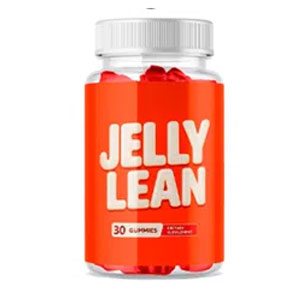
The official marketing page currently identifies four featured ingredients:
- Apple cider vinegar
- BHB salts, including calcium, magnesium, and sodium BHB
- Apple pectin
- Beet root powder
The website claims these ingredients work together to influence metabolism, appetite, fat utilization, digestion, and energy.
However, the ingredient information deserves careful scrutiny.
A 2026 analysis of the JellyLean Supplement Facts panel reported a serving size of two gummies and listed 1,000 mg of apple cider vinegar fruit powder, 80 mg of pomegranate juice powder, 80 mg of beet juice root powder, vitamin B6, folate, vitamin B12, iodine, and sodium. That analysis found no BHB salts on the verified panel.
That discrepancy could reflect a formula change, different product version, labeling problem, or different sales channel. I would therefore avoid stating that BHB is definitely present in every current JellyLean product without checking the package label.
How Does JellyLean Work?
The intended mechanism depends on which formulation is actually being sold.
According to the official website, ACV is intended to support digestion and appetite, BHB salts are promoted as exogenous ketones that supposedly encourage the body to use stored fat for energy, apple pectin is promoted for fullness, and beet root powder is marketed for blood flow and stamina.
Those mechanisms sound plausible at a biochemical level, but biological plausibility is not the same as clinically meaningful weight loss.
Weight loss ultimately depends on sustained energy balance and other physiological factors. A supplement can potentially influence appetite or certain metabolic markers without producing a meaningful reduction in body weight.
The NIH Office of Dietary Supplements states that the proven approaches to weight loss remain a healthful eating pattern, calorie reduction when appropriate, and physical activity. It also notes that there is little scientific evidence that most weight-loss supplements work.
JellyLean Ingredients and Scientific Evidence
1. Apple Cider Vinegar
Apple cider vinegar is the most consistently documented active ingredient associated with JellyLean.
The independently reported Supplement Facts panel lists 1,000 mg of apple cider vinegar fruit powder per serving.
ACV contains acetic acid, which has been investigated for effects on post-meal glucose, appetite, body weight, and other metabolic measures.
A randomized, double-blind, placebo-controlled study published in BMJ Nutrition, Prevention & Health investigated ACV in adolescents and young adults with overweight or obesity. The researchers reported reductions in body weight, BMI, and some metabolic measures after 12 weeks.
However, the study used liquid ACV, not JellyLean’s specific gummy formulation. That matters because 1,000 mg of ACV powder cannot automatically be considered equivalent to the liquid doses used in clinical trials.
There is also scientific controversy surrounding some of the dramatic ACV weight-loss findings. A later clarification published by the same journal discussed statistical and methodological concerns surrounding an earlier ACV study.
Therefore, ACV may have modest metabolic effects, but it is premature to call it a proven fat-burning ingredient.
Evidence assessment: Some promising human evidence, but the magnitude of any weight-loss effect appears uncertain and the evidence does not establish JellyLean’s gummy as effective.
Study: ACV Randomized Controlled Trial — BMJ Nutrition, Prevention & Health
Scientific clarification: ACV Weight-Loss Study Statistical Clarification
2. BHB Salts
BHB, or beta-hydroxybutyrate, is a ketone body. Exogenous BHB salts can raise blood ketone levels without requiring the body to produce ketones through prolonged fasting or carbohydrate restriction.
The official JellyLean website specifically promotes BHB salts and says they can “flip the switch” toward using stored fat for energy.
That claim needs qualification.
Raising blood ketones is not automatically equivalent to losing body fat. Exogenous ketones provide an energy source themselves, so the metabolic consequences are more complicated than simply assuming that supplemental BHB forces the body to burn more stored fat.
More importantly, the independently documented JellyLean Supplement Facts panel did not list BHB salts.
Because of this discrepancy, I would not use BHB as a primary reason to purchase JellyLean until the manufacturer confirms the current formula and provides a corresponding Supplement Facts label.
Evidence assessment: BHB has legitimate metabolic effects, but its presence in the current JellyLean formula is not consistently verified and those effects should not be equated with proven long-term fat loss.
3. Apple Pectin
The official website describes apple pectin as a prebiotic fiber that promotes fullness and helps reduce cravings.
Dietary fiber can support satiety, and certain viscous fibers have evidence for modest effects on appetite and food intake.
However, the reported verified JellyLean label lists pectin among the other ingredients used to create the gummy rather than as a separately quantified active ingredient.
That makes it impossible to determine whether JellyLean provides enough pectin to reproduce the effects observed in clinical fiber studies.
Evidence assessment: Pectin is a legitimate dietary fiber, but the amount and functional role in JellyLean are not sufficiently documented to establish a meaningful weight-loss effect.
4. Beet Root Powder
Beet root naturally contains nitrate, which can be converted into nitric oxide and influence vascular function and exercise performance.
The official JellyLean page promotes beet root powder for blood flow and stamina.
The reported verified label lists 80 mg of beet juice root powder per serving.
This is substantially different from the concentrated beetroot preparations and larger doses commonly studied for exercise performance.
Therefore, even if beetroot can support exercise-related outcomes at appropriate doses, there is no strong evidence that the amount in JellyLean directly produces weight loss.
Evidence assessment: Reasonable ingredient for cardiovascular and exercise-related research, but weak evidence as a direct weight-loss ingredient in this product.
5. Pomegranate Juice Powder
Pomegranate juice powder appears on the reported verified Supplement Facts panel at 80 mg per serving.
Pomegranate contains polyphenols that have been investigated for antioxidant and cardiovascular effects. However, the evidence does not establish 80 mg of pomegranate powder as a meaningful fat-loss dose.
This is better viewed as a supporting nutritional ingredient rather than a principal weight-loss mechanism.
Evidence assessment: Biologically interesting but limited evidence for meaningful weight reduction at the reported dose.
6. Vitamin B6, Folate, Vitamin B12, and Iodine
The reported JellyLean label includes vitamin B6, folate, vitamin B12, and iodine.
These nutrients are essential for normal metabolism, nervous-system function, red blood cell production, and other physiological processes.
Iodine deserves particular attention because thyroid hormones regulate metabolic processes. The NIH states that iodine is required to make thyroid hormones, which control metabolism and other important functions. The recommended adult intake is 150 mcg per day.
But this does not mean taking additional iodine accelerates weight loss in people who already have adequate iodine intake.
The reported JellyLean serving contains 100 mcg of iodine, which is below the adult recommended daily amount but still contributes meaningfully to total intake from food and other supplements. People with thyroid conditions should discuss supplemental iodine with a healthcare professional.
Evidence assessment: Nutritionally important ingredients, but not established fat burners.
Does JellyLean Really Work?
There is currently not enough evidence to conclude that JellyLean itself produces clinically meaningful weight loss.
The distinction between ingredient evidence and finished-product evidence is critical.
ACV has some human research suggesting modest effects on body weight and metabolic markers. Beetroot has legitimate research in exercise physiology. Fiber can support satiety. BHB has measurable metabolic effects when actually consumed.
But none of these facts proves that the complete JellyLean formula produces significant or sustained fat loss.
I also did not identify a peer-reviewed randomized controlled trial testing the finished JellyLean product.
The official website’s claims that JellyLean “accelerates fat-burning,” “supercharges” metabolism, and prevents rebound weight gain therefore remain marketing claims rather than independently established clinical outcomes.
This is consistent with broader NIH guidance: most weight-loss dietary supplements have not been adequately tested in large, long-term human studies, and evidence for many products is limited.
Potential JellyLean Benefits
Based on the ingredients and available evidence, reasonable potential benefits include:
- Convenient daily weight-management support
- Potential modest appetite or satiety support from ACV and fiber-related ingredients
- Potential support for normal metabolic function
- Possible support for exercise performance from beet-derived nitrate compounds
- Provides several B vitamins and iodine
- Gummy format may be easier to use consistently than liquid ACV
These should be interpreted as potential ingredient-level benefits, not guaranteed weight-loss results.
JellyLean Limitations
The biggest limitation is the lack of a published clinical trial on JellyLean itself.
The second is the ingredient-label discrepancy. The official website promotes BHB salts and apple pectin, while the independently documented Supplement Facts panel reports ACV, pomegranate, beet juice, B vitamins, iodine, and sodium instead.
That makes it difficult to evaluate the product with the same precision used for supplements that publish a complete, consistent Supplement Facts panel.
Another limitation is that several marketing statements imply much stronger effects than the research supports. For example, “supercharges your metabolic rate” and claims about targeting stubborn fat are not equivalent to evidence from a controlled clinical trial.
JellyLean Side Effects and Safety
Safety depends heavily on the exact formulation.
ACV can cause gastrointestinal discomfort in some people, particularly at higher amounts or when consumed in concentrated form.
People with diabetes or those taking glucose-lowering medication should discuss ACV supplementation with a healthcare professional because vinegar can influence post-meal glucose responses.
The reported formula also contains iodine. Iodine is essential, but excessive or inappropriate iodine intake can affect thyroid function. The NIH notes that iodine supplements can interact with certain medications and that both inadequate and excessive intake can cause problems.
The product’s added sugar is another consideration. A reported Supplement Facts panel lists 4 grams of added sugar per two-gummy serving.
Four grams is not a large amount by itself, but it is relevant for people carefully tracking carbohydrates, added sugars, or total calorie intake.
Anyone who is pregnant or breastfeeding, has diabetes, thyroid disease, cardiovascular disease, kidney disease, or takes prescription medication should discuss JellyLean with a healthcare professional before use.
The NIH also recommends discussing weight-loss supplements with a healthcare provider, particularly when medical conditions or medications are involved.
Who May Consider JellyLean?
JellyLean may appeal to adults who:
- Prefer gummies over capsules or liquid supplements
- Want a convenient addition to an established weight-management routine
- Are interested in ACV-based supplements
- Understand that a supplement is not a replacement for dietary and activity changes
- Are comfortable with the uncertainty surrounding the current ingredient documentation
Who Should Use Caution?
Extra caution is appropriate for people who:
- Have thyroid disease or take thyroid medication
- Have diabetes or use glucose-lowering medication
- Take multiple dietary supplements containing iodine or B vitamins
- Have a medical condition requiring a controlled carbohydrate intake
- Are pregnant or breastfeeding
- Take prescription medication regularly
- Have a history of significant gastrointestinal sensitivity to acidic foods or vinegar
Anyone experiencing unexplained or significant weight gain should also consider medical evaluation rather than assuming that a slow metabolism is the sole cause.
JellyLean Price and Value
The official JellyLean website currently advertises several package options. The six-bottle package is listed at $49 per bottle, or $294 total, while the three-bottle package is listed at $72 per bottle, or $217 total. The two-bottle option is listed at $89 per bottle, or $177 total, with shipping charges shown separately for that package. The site advertises free shipping with the six-bottle purchase and a 60-day satisfaction guarantee.
| Package | Advertised Price | Approx. Price Per Bottle | Guarantee |
|---|---|---|---|
| 2 bottles | $177 | $88.50 | 60 days |
| 3 bottles | $217 | $72.33 | 60 days |
| 6 bottles | $294 | $49.00 | 60 days |
The official site also states that the product is sold through ClickBank and provides a 60-day money-back guarantee.
From a value perspective, I would not recommend purchasing six bottles simply because the per-bottle price is lower. The current formulation discrepancy makes it more sensible to verify the exact Supplement Facts panel first.
JellyLean Pros and Cons
Pros
- Convenient gummy format
- Apple cider vinegar has some human research related to weight and metabolic markers
- Beetroot has legitimate research in exercise and vascular physiology
- Provides several essential vitamins and iodine in the reported formulation
- 60-day money-back guarantee is advertised
- No stimulant-heavy formulation is prominently advertised on the current official page
Cons
- No published clinical trial of the complete JellyLean formula was identified
- Official marketing and independently reported Supplement Facts do not fully agree
- BHB salts promoted as a key ingredient are not shown on the reported verified label
- Apple pectin is promoted as an active ingredient but appears as a gummy-formulation ingredient on the reported label
- Weight-loss claims are stronger than the available product-specific evidence
- The reported formula contains added sugar
- Iodine requires additional caution for people with thyroid conditions
- Large multi-bottle purchases may be difficult to justify without stronger clinical evidence
Frequently Asked Questions
What is JellyLean?
JellyLean is a gummy dietary supplement marketed for weight management, appetite control, metabolism, energy, and fat-burning support.
What are the main JellyLean ingredients?
The current official website promotes apple cider vinegar, BHB salts, apple pectin, and beet root powder. However, an independently documented Supplement Facts panel reports ACV powder, pomegranate juice powder, beet juice powder, vitamin B6, folate, vitamin B12, iodine, and sodium. The discrepancy should be verified against the current bottle label.
Does JellyLean contain BHB?
The official marketing page says that JellyLean contains BHB salts. However, the independently documented Supplement Facts panel reviewed in 2026 did not list BHB. Because the marketing and label information conflict, BHB should not be treated as a verified ingredient without confirmation from the manufacturer or the current product label.
Does JellyLean really help with weight loss?
There is insufficient evidence to say that JellyLean itself causes meaningful or sustained weight loss. Some individual ingredients have relevant research, but no published clinical trial of the finished JellyLean formula was identified.
Can apple cider vinegar help with weight loss?
Some small human trials have reported modest reductions in body weight or metabolic improvements with ACV, but the evidence remains limited and the results cannot automatically be applied to JellyLean’s gummy formulation.
How much apple cider vinegar is in JellyLean?
An independently documented Supplement Facts panel lists 1,000 mg of apple cider vinegar fruit powder per serving of two gummies.
Does JellyLean contain added sugar?
The reported Supplement Facts panel lists 4 grams of added sugar per two-gummy serving.
Is JellyLean safe?
Safety depends on the exact formulation and individual health circumstances. The reported formula contains iodine, which deserves particular attention in people with thyroid disorders or those already consuming iodine-containing supplements. Anyone taking medication or managing a medical condition should consult a healthcare professional before use.
How much does JellyLean cost?
The official website currently advertises approximately $89 per bottle in the two-bottle package, $72 per bottle in the three-bottle package, and $49 per bottle in the six-bottle package. Prices and promotions can change.
Is JellyLean FDA approved?
JellyLean is marketed as a dietary supplement, and the official website states that its claims have not been evaluated by the FDA. Dietary supplements are not generally subjected to the same premarket approval process for safety and effectiveness as prescription drugs.
Final Verdict: Is JellyLean Worth It?
My JellyLean review conclusion is that this product is difficult to recommend as a proven weight-loss solution.
The underlying concept is not completely unreasonable. Apple cider vinegar has some human research suggesting modest metabolic and weight-related effects, while beetroot and certain fibers have legitimate physiological roles. The gummy format may also make daily use easier for people who dislike liquid vinegar or capsules.
But the evidence becomes much weaker when moving from individual ingredients to the finished product.
I did not identify a peer-reviewed randomized controlled trial demonstrating that JellyLean produces meaningful weight loss. The official website makes strong claims about accelerating fat burning, boosting metabolism, suppressing cravings, and preventing rebound weight gain, but these claims are not supported by product-specific clinical evidence.
The formulation discrepancy is the biggest concern. The official website prominently describes BHB salts and apple pectin, while the independently documented Supplement Facts panel does not list BHB and identifies a substantially different active-ingredient profile.
That does not necessarily prove that the product is ineffective or that the manufacturer is intentionally misleading consumers. It could reflect a formula or labeling transition. But from a consumer-review standpoint, the discrepancy should be resolved before making strong claims about what JellyLean contains.
The broader scientific context also matters. NIH guidance emphasizes that most weight-loss supplements have limited evidence and that effective weight management still depends primarily on dietary patterns, appropriate calorie intake, physical activity, and sustainable behavioral changes.
Bottom line: JellyLean may provide modest nutritional or metabolic support, particularly through its ACV component, but it is not clinically proven to accelerate fat burning or produce substantial weight loss. I would verify the current Supplement Facts label before purchasing, avoid assuming the marketed BHB claims are confirmed, and treat JellyLean as an optional supplement rather than a substitute for evidence-based weight-management strategies.
Our Top Weight Loss Products
We evaluated these products based on key factors relevant to their intended use. Our editorial ratings consider ingredient transparency, available scientific evidence, formulation quality, safety considerations, value, and other product-specific factors.
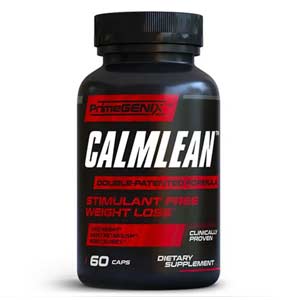
PrimeGENIX CalmLean
Product Type: Dietary Supplement
Primary Use: Weight Management Support
Overall Rating: 4.9/5
Price: $59.00
Key Benefits
- Supports healthy weight management
- Supports metabolic and thermogenic activity
- Supports appetite and hunger management
- Stimulant-free and caffeine-free formula
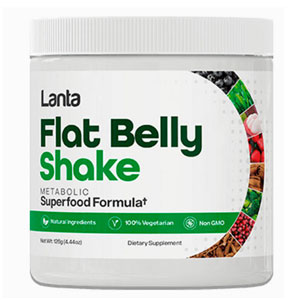
Lanta Flat Belly Shake
Product Type: Dietary Supplement
Primary Use: Weight Management & Metabolic Support
Overall Rating: 4.8/5
Price: $69.00
Key Benefits
- Supports healthy weight management
- Supports metabolism and energy
- Helps manage food cravings
- Supports healthy digestion
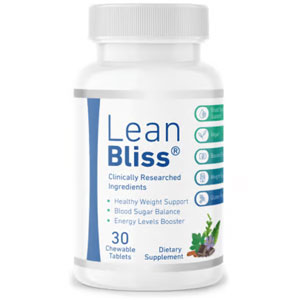
LeanBliss
Product Type: Dietary Supplement
Primary Use: Weight Management & Blood Sugar Support
Overall Rating: 4.8/5
Price: $69.00
Key Benefits
- Supports healthy weight management
- Supports healthy blood sugar levels
- Helps support healthy appetite and craving management
- Stimulant-free formula