
Jertaris is a dietary supplement marketed toward men who want to support prostate health and urinary function. The product is presented as a natural formula containing botanical extracts and nutrients commonly used in prostate-support supplements, including saw palmetto, Pygeum africanum, plant sterols, green tea extract, stinging nettle, and selenium. Current Jertaris product pages recommend taking two capsules daily with a meal and a full glass of water.
My assessment is mixed. Several Jertaris ingredients have been studied in men with benign prostatic hyperplasia (BPH) and lower urinary tract symptoms, particularly pygeum, beta-sitosterol, and stinging nettle. However, the evidence is not equally strong for every ingredient, and the evidence for saw palmetto is particularly inconsistent. More importantly, I did not identify a published randomized clinical trial testing the complete Jertaris formula.
There is also a transparency issue. The main Jertaris ingredient list identifies six ingredients, while other Jertaris-related pages and FAQs mention additional ingredients such as zinc, lycopene, pumpkin seed extract, or BioPerine. The publicly available information therefore does not provide one consistently documented formula.
For an evidence-based review, I would treat the six ingredients consistently displayed on the main product information—saw palmetto, Pygeum africanum, plant sterol complex, green tea extract, stinging nettle, and selenium—as the core formula, while clearly flagging the discrepancies.
Quick Jertaris Review Summary
| Category | Assessment |
|---|---|
| Product type | Men’s prostate-support dietary supplement |
| Primary purpose | Prostate and urinary-health support |
| Suggested use | 2 capsules daily with a meal and water |
| Core ingredients listed | Saw palmetto, Pygeum africanum, plant sterols, green tea, stinging nettle, and selenium |
| Individual ingredient amounts | Not publicly disclosed on the accessible sales pages reviewed |
| Product-specific clinical trial | Not identified |
| Money-back guarantee | 60 days, according to the manufacturer |
| Manufacturer claims | Natural prostate and urinary support |
| FDA approval | No; dietary supplements are not FDA-approved for safety and effectiveness before marketing |
| Overall assessment | Some promising ingredients, but limited product-specific evidence and incomplete dose transparency |
What Is Jertaris?
Jertaris is marketed as a natural prostate-support supplement for men, particularly those interested in maintaining urinary comfort and prostate function as they age.
The manufacturer’s product information describes Jertaris as a formula intended to support prostate health, urinary flow, bladder emptying, and general male wellness. The suggested serving is two capsules daily, preferably with a meal and a full glass of water.
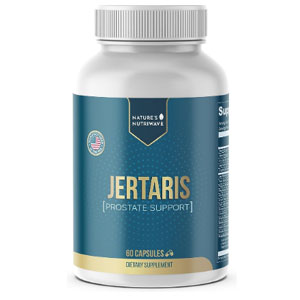
The primary Jertaris ingredient list available online includes:
- Saw palmetto
- Pygeum africanum
- Plant sterol complex
- Green tea extract
- Stinging nettle
- Selenium
However, there is a significant limitation when trying to evaluate the product precisely: the individual amounts of these ingredients are not publicly disclosed in the accessible product information I reviewed. This makes it difficult to compare Jertaris directly with clinical trials because prostate studies generally use specific extracts and doses.
Another concern is that different Jertaris pages do not always describe the same formula. One related page lists pumpkin seed extract and BioPerine, while another Jertaris source mentions neem and bamboo leaf extract.
That inconsistency is worth resolving before purchasing. A consumer should ideally verify the current Supplement Facts label and ingredient quantities directly from the manufacturer.
How Does Jertaris Work?
Jertaris appears to use several complementary approaches to prostate and urinary support.
Saw palmetto has traditionally been used for urinary symptoms associated with an enlarged prostate and has been investigated for effects on 5-alpha-reductase and androgen signaling.
Pygeum africanum has been studied for BPH-related urinary symptoms, including urinary flow and nighttime urination.
Beta-sitosterol and other plant sterols have clinical research involving urinary symptoms and urinary flow in men with BPH.
Stinging nettle root has also been studied for lower urinary tract symptoms associated with BPH.
Green tea catechins have been investigated for antioxidant and prostate-related effects, although much of the research concerns prostate cancer risk or biomarkers rather than routine BPH symptom relief.
Selenium is an essential mineral involved in antioxidant enzymes, thyroid function, DNA synthesis, and reproduction. Its presence in a prostate formula does not mean selenium supplementation prevents prostate disease.
This multi-ingredient approach is biologically plausible, but the evidence for each component must be evaluated separately.
Jertaris Ingredients and Scientific Evidence
1. Saw Palmetto
Saw palmetto (Serenoa repens) is probably the most recognizable prostate supplement ingredient in Jertaris.
It has been studied extensively for BPH-related lower urinary tract symptoms, including frequent urination, nighttime urination, weak urinary flow, and incomplete bladder emptying.
Older systematic reviews found some evidence of benefit. One review of 18 randomized controlled trials involving 2,939 men reported improvements in urinary symptoms and peak urinary flow compared with placebo.
However, more recent evaluations have been considerably less enthusiastic.
NCCIH summarizes the evidence by noting that a 2023 review of 27 studies found that saw palmetto used alone provided little or no benefit for BPH symptoms. Two NIH-funded clinical trials also found no meaningful improvement, including one that tested doses up to three times the usual amount.
A newer 2026 systematic review reached a somewhat more favorable conclusion, finding that some studies reported improvements in symptom severity, with potentially better results from particular standardized extracts. However, the authors also noted variability among preparations and study designs.
This is a good example of why an evidence-based review should not simply describe saw palmetto as “clinically proven.”
Evidence assessment: Extensively studied but inconsistent. The effectiveness appears to depend partly on the extract, preparation, and population.
Studies:
NCCIH — Saw Palmetto: Usefulness and Safety
2. Pygeum Africanum
Pygeum africanum, now commonly referred to as Prunus africana, comes from the bark of the African plum tree.
It has a longer history of use for urinary symptoms than many newer prostate ingredients.
A systematic review and quantitative meta-analysis examined 18 randomized controlled trials involving 1,562 men. Compared with placebo, pygeum was associated with improvements in combined urinary symptoms and flow measures. The review also reported reductions in nocturia and residual urine volume and an increase in peak urinary flow.
The researchers nevertheless emphasized several limitations, including short study durations, inconsistent study designs, different phytotherapeutic preparations, and the need for standardized extracts.
NCCIH similarly describes the evidence as limited but potentially positive for short-term improvements in BPH symptoms and urinary-flow measures.
Evidence assessment: One of the more promising Jertaris ingredients for urinary symptoms, although much of the clinical evidence is older and preparation-specific.
Study: Pygeum africanum for BPH — Systematic Review and Meta-Analysis
3. Plant Sterol Complex / Beta-Sitosterol
Plant sterols are naturally occurring compounds found in plants. Beta-sitosterol is the phytosterol most commonly studied for BPH symptoms.
A Cochrane systematic review identified four randomized controlled trials involving 519 men with mild-to-moderate symptomatic BPH. The trials used different beta-sitosterol preparations, with doses ranging from 60 to 195 mg per day. Overall, the evidence suggested improvements in urinary symptoms and urinary-flow measures.
A longer follow-up study also reported that improvements observed during the original six-month trial were maintained among participants who continued beta-sitosterol treatment. However, the researchers still called for additional clinical trials before drawing firm conclusions.
The major problem for evaluating Jertaris is that the amount of plant sterols in the product is not publicly disclosed on the accessible sales pages.
That means I cannot determine whether Jertaris provides an amount comparable to the 60–195 mg daily range used in these studies.
Evidence assessment: Promising ingredient-level evidence for mild-to-moderate BPH symptoms, but Jertaris’s dose cannot currently be compared with the clinical literature.
Study: Beta-Sitosterols for BPH — Cochrane Review
4. Green Tea Extract
Green tea (Camellia sinensis) provides catechins, including epigallocatechin gallate (EGCG), which have antioxidant and anti-inflammatory properties.
Much of the prostate-specific research has focused on prostate cancer prevention rather than routine BPH symptoms.
For example, a randomized, placebo-controlled trial involving men with high-grade prostate intraepithelial neoplasia found that a concentrated green-tea-catechin preparation was associated with fewer prostate cancer diagnoses after one year. A meta-analysis of four randomized trials subsequently reported a pooled risk reduction, although the evidence was considered moderate and additional large trials were recommended.
Another randomized trial involving men with prostate cancer found that drinking six cups of green tea daily altered some inflammatory and oxidative biomarkers, but it did not demonstrate broad changes in prostate tumor markers.
These studies should not be interpreted as proof that Jertaris prevents prostate cancer or treats BPH.
Evidence assessment: Interesting prostate-related research, but evidence for routine urinary symptom relief is much weaker than the evidence for some other Jertaris ingredients.
5. Stinging Nettle
Stinging nettle root (Urtica dioica) has been used traditionally for urinary symptoms associated with BPH.
Clinical research is limited but includes randomized trials.
A 2005 randomized, double-blind, placebo-controlled study involving 620 men reported significant improvements in urinary symptom scores and peak urinary flow with stinging nettle over six months compared with placebo.
A smaller 2020 randomized trial involving 60 men used 450 mg of stinging nettle root extract daily for 12 weeks and found improvements in symptom scores and several biochemical measures.
However, the evidence is not uniformly positive. A randomized trial of a combination of pygeum and stinging nettle found no significant difference from placebo after six months.
NCCIH therefore characterizes the evidence as limited.
Evidence assessment: Some encouraging clinical data, but inconsistent and highly dependent on the preparation and study design.
Studies:
Stinging Nettle and BPH — Randomized Trial
Stinging Nettle Root Extract and BPH — Randomized Trial
6. Selenium
Selenium is an essential trace mineral involved in antioxidant enzymes, thyroid function, DNA synthesis, and reproduction. The adult recommended dietary allowance is 55 mcg per day.
Its inclusion in a prostate formula has a biological rationale because selenium-dependent enzymes help protect cells from oxidative damage.
However, selenium supplementation should not be interpreted as a proven way to maintain prostate health or prevent prostate cancer.
Large clinical research, including the SELECT trial, has not established selenium supplementation as a reliable prostate-cancer-prevention strategy. Selenium status also matters: adding selenium to an already adequate intake may not provide the same effects as correcting a deficiency.
Safety is another consideration. Excess selenium can cause nausea, diarrhea, metallic taste, garlic-like breath, brittle nails, and hair loss. The U.S. adult tolerable upper intake level is 400 mcg per day from all sources.
Because Jertaris does not publicly disclose the amount of selenium in the accessible product information, the total daily intake cannot be independently assessed.
Evidence assessment: Essential nutrient with important biological functions, but insufficient evidence to treat BPH or prevent prostate disease through supplementation.
What Does the Ingredient Evidence Actually Tell Us?
Jertaris is not a formula where every ingredient has equal scientific support.
The strongest ingredient-level evidence is probably associated with pygeum and beta-sitosterol for urinary symptoms associated with mild-to-moderate BPH. Stinging nettle also has some encouraging clinical evidence.
Saw palmetto has a large research base, but the results are inconsistent, with recent evidence reviews reaching different conclusions.
Green tea is scientifically interesting for prostate-related biomarkers and cancer-prevention research, but that is different from demonstrating an improvement in everyday urinary symptoms.
Selenium is nutritionally important but should not be marketed as a proven prostate-treatment ingredient.
Most importantly, ingredient-level evidence is not product-level evidence. I did not identify a randomized controlled trial demonstrating that the complete Jertaris formula improves urinary symptoms, reduces prostate size, or prevents prostate disease.
Does Jertaris Really Work?
There is not enough evidence to say that Jertaris itself is clinically proven to improve prostate health or urinary symptoms.
The formulation contains several ingredients with legitimate research backgrounds. That gives the product a plausible scientific rationale, particularly for men interested in nutritional support alongside appropriate medical care.
However, the lack of individual ingredient doses prevents a meaningful comparison with clinical trials.
This is particularly important for beta-sitosterol and pygeum, where clinical studies used defined amounts and specific preparations.
I would therefore describe Jertaris as a prostate-support supplement containing several researched botanicals, rather than as a proven treatment for BPH.
Potential Jertaris Benefits
Based on the ingredient research, reasonable potential benefits include:
- Support for normal urinary function
- Potential support for urinary flow in some men with mild-to-moderate BPH
- Possible support for reducing nighttime urination
- Potential support for bladder-emptying comfort
- Antioxidant support from green tea and selenium
- General nutritional support for prostate and male health
These are potential ingredient-level benefits, not guaranteed effects from Jertaris.
Jertaris Limitations
The largest limitation is the absence of product-specific clinical evidence.
The second is dose transparency. The accessible Jertaris pages do not provide a complete Supplement Facts panel with the exact quantities of the principal ingredients. That prevents consumers from determining whether the product matches research-supported doses.
The third concern is formula inconsistency across Jertaris-related websites. The primary product information lists six ingredients, while other pages mention additional compounds.
I would not rely on any review that combines all of these ingredient lists as though they unquestionably describe the same product.
Before buying, obtaining the current Supplement Facts label directly from the seller would be prudent.
Jertaris Side Effects and Safety
The manufacturer describes Jertaris as safe and made from natural ingredients. However, “natural” does not mean risk-free.
Saw palmetto is generally well tolerated, with reported adverse effects including digestive symptoms, dizziness, and headache. NCCIH notes that it has been used safely in studies lasting up to three years.
Green tea extract can be different from ordinary brewed green tea because concentrated extracts provide higher doses of catechins. Rare liver problems have been associated with some concentrated green tea extract products.
Selenium is safe within appropriate amounts but can cause toxicity when total intake becomes excessive.
Herbal supplements can also interact with prescription medications. FDA specifically recommends discussing dietary supplements with a physician, pharmacist, or other healthcare professional because supplements can affect how medications work.
Men taking medications for BPH, blood pressure, cardiovascular disease, anticoagulation, or other chronic conditions should therefore check with their healthcare professional before adding Jertaris.
Who May Consider Jertaris?
Jertaris may appeal to adult men who:
- Want a plant-based prostate-support supplement
- Are interested in ingredients such as pygeum or beta-sitosterol
- Want nutritional support alongside a healthy lifestyle
- Prefer a capsule rather than a liquid or powder
- Understand that the evidence is based mainly on individual ingredients
Who Should Use Caution?
Extra caution is appropriate for men who:
- Have diagnosed or suspected BPH
- Have blood in the urine
- Have painful urination
- Have rapidly worsening urinary symptoms
- Have difficulty starting urination or cannot urinate
- Take prescription prostate medications such as finasteride, dutasteride, or alpha-blockers
- Take anticoagulants or other medications with potential supplement interactions
- Already use a multivitamin or selenium-containing supplement
Urinary symptoms should not automatically be attributed to an enlarged prostate. Similar symptoms can occur with urinary infections, bladder disorders, prostate inflammation, neurological problems, and other conditions.
A healthcare professional should evaluate persistent or worsening symptoms.
Jertaris Price and Value
The Jertaris sales pages currently advertise a promotional price of approximately $49 per bottle and a 60-day money-back guarantee. The site also promotes larger six-bottle purchases and states that free shipping is included with the six-bottle option.
| Package | Advertised Pricing | Notes |
|---|---|---|
| 1 bottle | Approximately $49 | Promotional pricing may change |
| Multiple bottles | Discounted package pricing | Six-bottle orders advertised with free shipping |
| Guarantee | 60 days | Manufacturer’s money-back guarantee |
From a value perspective, I would hesitate to recommend buying a large multi-bottle package before verifying the current Supplement Facts label.
The reason is simple: price cannot be meaningfully assessed without knowing the actual doses of the ingredients being purchased.
Jertaris Pros and Cons
Pros
- Contains several botanicals with human research involving BPH and urinary symptoms
- Pygeum has a systematic-review evidence base for modest urinary improvements
- Beta-sitosterol has clinical evidence involving urinary symptoms and flow
- Stinging nettle has some supportive randomized-trial evidence
- Convenient two-capsule daily routine
- 60-day money-back guarantee is advertised
Cons
- No published clinical trial of the complete Jertaris formula was identified
- Individual ingredient doses are not publicly disclosed on the accessible sales pages
- Saw palmetto evidence is mixed and recent reviews disagree about its effectiveness
- Jertaris-related websites show inconsistent ingredient lists
- Green tea extract has potential safety considerations at concentrated doses
- Excess selenium can cause toxicity
- It should not replace medical evaluation or prescribed BPH treatment
Frequently Asked Questions
What is Jertaris?
Jertaris is a dietary supplement marketed to support prostate health and urinary function in men. Its primary product information lists saw palmetto, Pygeum africanum, plant sterols, green tea extract, stinging nettle, and selenium.
What is Jertaris used for?
Jertaris is marketed for prostate and urinary support, including support for urinary flow, bladder emptying, and general prostate health. These are structure/function claims rather than established treatments for BPH.
Does Jertaris treat an enlarged prostate?
There is not enough evidence to say that Jertaris treats BPH. Some of its individual ingredients have been studied for BPH-related urinary symptoms, but the finished Jertaris formula has not been clinically established as a treatment.
Does Jertaris shrink the prostate?
There is no product-specific evidence showing that Jertaris shrinks the prostate. Some individual ingredients have been investigated for prostate-related outcomes, but those findings cannot automatically be applied to the complete formula.
Does saw palmetto really help the prostate?
The evidence is mixed. Some older studies suggested improvements in urinary symptoms, while NCCIH reports that more recent evidence indicates saw palmetto alone provides little or no benefit for BPH symptoms.
What are the main Jertaris ingredients?
The main product page lists saw palmetto, Pygeum africanum, plant sterol complex, green tea extract, stinging nettle, and selenium. Other Jertaris-related pages mention additional ingredients, so consumers should verify the current Supplement Facts label.
How do you take Jertaris?
The manufacturer’s instructions state to take two capsules daily, preferably with a meal and a full glass of water.
Is Jertaris FDA approved?
No. The FDA does not approve dietary supplements for safety and effectiveness before they are marketed. A supplement being manufactured in an FDA-registered or FDA-compliant facility does not mean that the finished product is FDA-approved.
Is Jertaris safe?
The ingredients are generally considered reasonably tolerated at appropriate doses, but safety depends on the individual formulation, dose, medications, and health conditions. Green tea extracts and selenium deserve particular attention, and anyone taking prescription medication should consult a healthcare professional before use.
Can Jertaris replace finasteride or other BPH medication?
No. Jertaris should not replace prescribed medication without medical guidance. Men already taking finasteride, dutasteride, alpha-blockers, or other prostate medications should discuss any supplement addition with their prescribing clinician.
Final Verdict: Is Jertaris Worth It?
My Jertaris review conclusion is that the product has a reasonable ingredient concept but does not yet have enough evidence to justify calling it a clinically proven prostate supplement.
Pygeum and beta-sitosterol are the most compelling components from an evidence perspective. Pygeum has a systematic review involving 18 randomized trials and more than 1,500 men, while beta-sitosterol has randomized-trial evidence showing improvements in urinary symptoms and flow measures in men with mild-to-moderate BPH.
Stinging nettle also has some encouraging clinical research, although the evidence is limited and not entirely consistent.
Saw palmetto is much more complicated. It has been studied extensively, but recent reviews have produced mixed conclusions, and NCCIH states that saw palmetto alone probably provides little or no benefit for BPH symptoms.
The biggest concern with Jertaris itself is transparency. Without a complete, current Supplement Facts panel showing the amount and standardized form of each ingredient, it is impossible to know whether the formula provides doses comparable with the research.
The inconsistent ingredient lists across Jertaris-related pages make verifying the formulation even more important.
Bottom line: Jertaris may be worth considering as a complementary prostate-health supplement for an adult man who understands the limitations of the evidence, but I would not describe it as a proven treatment for BPH or urinary symptoms. Before purchasing, I would verify the current Supplement Facts label and discuss the product with a healthcare professional—particularly if urinary symptoms are persistent, worsening, painful, or accompanied by blood in the urine
Our Top Prostate Supplements
We evaluated these products based on key factors relevant to their intended use. Our editorial ratings consider ingredient transparency, available scientific evidence, formulation quality, safety considerations, value, and other product-specific factors.
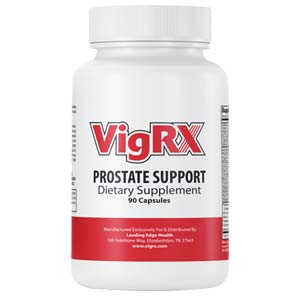
VigRx Prostate Support
Product Type: Dietary Supplement
Primary Use: Prostate Health & Urinary Flow Support
Overall Rating: 4.9/5
Price: $49.95
Key Benefits
- Supports healthy urinary flow
- Supports more complete bladder emptying
- Helps support fewer nighttime bathroom trips
- Supports overall prostate and urinary tract health
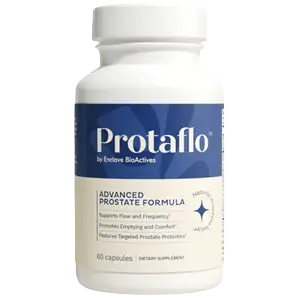
Protaflo
Product Type: Dietary Supplement
Primary Use: Prostate Health & Urinary Function Support
Overall Rating: 4.8/5
Price: $39.00
Key Benefits
- Supports healthy urinary flow and bladder emptying
- Supports prostate health and urinary comfort
- Helps support nighttime urinary comfort
- Supports male vitality and overall wellness