
Introduction
VINIA is a dietary supplement made from proprietary red grape cell powder. The company markets it primarily for blood-flow support, arterial dilation, oxygen delivery, energy and cardiovascular wellness. Its main active component is Piceid Resveratrol, a naturally occurring form of resveratrol found in grapes.
What makes VINIA different from many resveratrol supplements is that the company has conducted a randomized, double-blind, placebo-controlled human trial using red grape cell powder. That is a meaningful strength, although the study was relatively small and was partly supported by the company that supplied the study material.
Quick Summary
| Product | VINIA |
|---|---|
| Category | Dietary supplement |
| Primary Ingredient | Red grape cell powder |
| Serving | 1 capsule daily |
| Red Grape Powder | 400 mg |
| Piceid Resveratrol | 6 mg |
| Total Polyphenols | 23 mg |
| Product-Specific Human Trial | Yes |
| Current Price | $59.99 one-time / $49.99 first subscription month |
| Guarantee | 90-day money-back guarantee |
| Overall Assessment | Promising but not a proven cardiovascular treatment |
What Is VINIA?
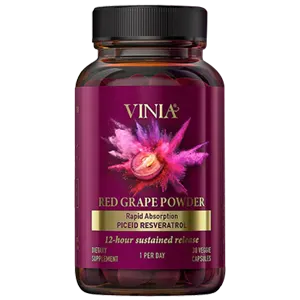 VINIA is a red-grape-derived dietary supplement developed by BioHarvest Sciences. The current capsule contains 400 mg of red grape powder, 23 mg of polyphenols and 6 mg of Piceid Resveratrol. The company describes the ingredient as a matrix containing resveratrol, catechins, quercetin, anthocyanins and tannins.
The company recommends one capsule each morning. VINIA is caffeine-free and contains no alcohol, sugar or calories according to its current product information.
How Does VINIA Work?
VINIA is primarily intended to influence vascular function. Its red grape polyphenols, particularly Piceid Resveratrol, are proposed to support nitric oxide signaling and endothelial function.
The company’s own laboratory research reports increased nitric oxide production, while its human clinical study measured flow-mediated dilation, a marker of endothelial function. However, improved FMD should not automatically be interpreted as prevention or treatment of cardiovascular disease.
VINIA Ingredients
| Ingredient | Amount per Capsule | Purpose |
|---|---|---|
| Red Grape Cell Powder | 400 mg | Provides the product’s polyphenol matrix |
| Piceid Resveratrol | 6 mg | Key grape-derived polyphenol |
| Total Polyphenols | 23 mg | Includes resveratrol, catechins, quercetin, anthocyanins and tannins |
Red Grape Cell Powder
Red grape cell powder is VINIA’s proprietary core ingredient. Unlike a conventional isolated-resveratrol capsule, it contains a broader matrix of compounds derived from red grape cells.
The ingredient has been evaluated in human research. A 2015 randomized controlled trial tested 200 mg and 400 mg of red grape cell powder for 12 weeks in 50 people with prehypertension or mild hypertension. The researchers reported an improvement in flow-mediated dilation and a reduction in lipid peroxidation. The 200 mg group also showed a significant reduction in diastolic blood pressure compared with placebo.
Red Grape Cell Powder Clinical Trial — PubMed
Piceid Resveratrol
Piceid is a glycosylated form of resveratrol. VINIA’s earlier pharmacokinetic research found that red grape cell-derived resveratrol produced measurable plasma concentrations and showed two concentration peaks at approximately one and five hours.
This provides evidence that the ingredient is absorbed, but absorption alone does not prove that a supplement improves meaningful health outcomes.
Red Grape Cell Complex and Resveratrol Bioavailability — PubMed
What Does the Clinical Evidence Say?
This is where VINIA has a notable advantage over many dietary supplements.
The company’s key clinical study was a double-blind, randomized, placebo-controlled trial involving 50 subjects with prehypertension or mild hypertension. Participants received 200 mg, 400 mg or placebo daily for 12 weeks. Red grape cell powder was associated with improved flow-mediated dilation and reduced lipid peroxidation.
However, the study has limitations.
The sample was small, the intervention lasted only 12 weeks, and the study material and financial support came from BioHarvest. The trial also tested red grape cell powder rather than establishing that VINIA prevents heart attacks, strokes or cardiovascular disease.
Therefore, I would classify the evidence as promising product-specific evidence rather than definitive clinical proof.
What About Resveratrol Research?
The broader resveratrol literature is considerably larger but also inconsistent.
A 2019 meta-analysis of 28 randomized trials found that resveratrol supplementation significantly improved flow-mediated dilation in people with metabolic syndrome and related disorders, but it did not significantly reduce systolic or diastolic blood pressure overall. The researchers also reported substantial heterogeneity between studies.
A more recent 2026 umbrella review of systematic reviews and meta-analyses found evidence for several potential effects of resveratrol, including blood-pressure reductions in certain populations. However, effects varied according to the health condition, dose and outcome being measured.
This supports the idea that resveratrol is biologically active, but it does not establish VINIA as a substitute for conventional cardiovascular treatment.
Resveratrol, Endothelial Function and Blood Pressure — Meta-Analysis
Resveratrol Health Outcomes — 2026 Umbrella Review
Potential Benefits
- Blood-flow support: The strongest product-specific evidence involves improved flow-mediated dilation.
- Endothelial function: Red grape cell powder has demonstrated an effect on this vascular marker in a small clinical trial.
- Antioxidant support: VINIA supplies multiple grape polyphenols rather than isolated resveratrol alone.
- Potential cardiovascular support: The ingredient has preliminary research involving vascular function and oxidative stress.
- Caffeine-free energy support: The company attributes increased energy and alertness to improved oxygen and nutrient delivery rather than stimulant ingredients.
Pros and Cons
Pros
- Contains a clearly disclosed 400 mg red grape cell powder serving.
- Provides 6 mg Piceid Resveratrol and 23 mg total polyphenols.
- Has a product-specific randomized placebo-controlled human trial.
- Caffeine-free and alcohol-free.
- Simple one-capsule daily serving.
- 90-day money-back guarantee.
Cons
- The main clinical study was relatively small.
- Research duration was only 12 weeks.
- The study material and funding came from the product’s supplier.
- No evidence establishes VINIA as a treatment for hypertension or cardiovascular disease.
- Some company claims extend beyond what the clinical trial actually demonstrated.
- More expensive than many conventional resveratrol supplements.
VINIA vs. Standard Resveratrol Supplements
| Feature | VINIA | Typical Resveratrol Supplement |
|---|---|---|
| Main Source | Red grape cell powder | Usually isolated resveratrol |
| Piceid Resveratrol | 6 mg | Varies widely |
| Polyphenol Matrix | Yes | Usually limited |
| Product-Specific Human Trial | Yes | Usually no |
| Daily Dose | 1 capsule | Varies |
| Primary Marketing Focus | Blood flow and vascular function | Antioxidant/general wellness |
The main advantage of VINIA is not simply its resveratrol content. It is the combination of a standardized red grape cell matrix and product-specific human research.
Does VINIA Lower Blood Pressure?
The answer requires some qualification.
The 2015 red grape cell study found a significant reduction in diastolic blood pressure in the 200 mg group compared with placebo. However, the study was small and the result was not sufficient to establish red grape cell powder as a blood-pressure treatment.
NCCIH also emphasizes that dietary supplements should not replace prescribed treatment for hypertension and that the blood-pressure effects of supplements, where present, are generally limited.
Therefore, VINIA should be described as supporting vascular function, not as a proven treatment for high blood pressure.
Side Effects and Safety
VINIA’s manufacturer reports that its human studies have not identified product-related adverse effects. It nevertheless recommends medical consultation for people who are pregnant, nursing, have a medical condition or take prescription medication. People with grape allergies should also exercise caution.
Resveratrol generally appears to be well tolerated, but it can interact with medications. NCCIH specifically notes potential interactions with anticoagulant and antiplatelet drugs.
Possible gastrointestinal symptoms such as nausea or stomach upset have also been reported with resveratrol supplementation.
Anyone taking warfarin or another blood-thinning medication should discuss VINIA with a healthcare professional before use.
How to Take VINIA
The manufacturer recommends one capsule each morning. The current product contains 30 capsules per bottle for the standard one-month supply. VINIA recommends consistent daily use and promotes 90 days as the preferred period based on its clinical research.
The 90-day recommendation should not be interpreted as proof that every person needs exactly 90 days to experience benefits.
VINIA Pricing and Packages
The current official product page lists the following pricing:
| Option | Current Listed Price |
|---|---|
| 30-Day Supply — One-Time Purchase | $59.99 |
| 30-Day Supply — First Subscription Order | $49.99 |
| 90-Day Supply | $179.97 |
| Subscription | Additional ongoing savings advertised |
| Shipping | Free |
| Guarantee | 90 days |
The company says subscriptions can be canceled or paused. Pricing and promotional discounts can change, so the checkout page should be treated as the final price source.
Customer Reviews
VINIA’s website features customer stories describing improvements in energy, circulation and overall well-being. These testimonials can provide insight into how customers perceive the product, but they do not have the evidentiary value of a blinded randomized clinical trial.
For an evidence-based assessment, the 2015 randomized trial carries considerably more weight than testimonials or company review scores.
Who Might Consider VINIA?
VINIA may appeal to adults looking for a caffeine-free dietary supplement centered on grape-derived polyphenols and vascular wellness.
It may be particularly interesting for someone who values a product with at least one product-specific randomized controlled trial rather than relying exclusively on studies of unrelated ingredients.
Who Should Avoid It or Seek Medical Advice First?
- People taking anticoagulant or antiplatelet medications.
- People with a known grape allergy.
- People who are pregnant or breastfeeding.
- People managing hypertension or cardiovascular disease who are considering replacing prescribed treatment.
- People taking multiple prescription medications.
10 Frequently Asked Questions
1. What is VINIA?
VINIA is a dietary supplement containing 400 mg of proprietary red grape cell powder, including 6 mg of Piceid Resveratrol and 23 mg of polyphenols.
2. Does VINIA contain resveratrol?
Yes. Each current capsule provides 6 mg of Piceid Resveratrol, a grape-derived form of resveratrol.
3. Does VINIA improve blood flow?
A small randomized clinical trial of red grape cell powder found improved flow-mediated dilation after 12 weeks. This provides promising evidence, but it does not prove that VINIA improves every measure of blood flow in every person.
4. Can VINIA lower blood pressure?
The clinical study found a significant reduction in diastolic blood pressure in one treatment group, but the evidence is not strong enough to consider VINIA a blood-pressure treatment.
5. Is VINIA FDA approved?
No. VINIA is sold as a dietary supplement, and its health claims have not been evaluated by the FDA.
6. How many capsules should be taken?
The manufacturer recommends one capsule per day in the morning.
7. Does VINIA contain alcohol?
No. The company states that VINIA provides grape-derived polyphenols without the alcohol, sugar and calories found in wine.
8. How long does VINIA take to work?
The company recommends daily use and promotes 90 days based on its clinical research. Individual responses may vary, and the clinical study evaluated outcomes after 12 weeks rather than proving an immediate effect.
9. Can VINIA be taken with blood thinners?
Caution is appropriate. Resveratrol may interact with anticoagulant and antiplatelet medications, so medical advice is recommended before combining them.
10. Is VINIA worth trying?
VINIA has a stronger evidence profile than many supplements because its red grape cell ingredient has been tested in a randomized human trial. The main limitation is that the evidence remains relatively small and does not establish VINIA as a cardiovascular medication.
Final Verdict
VINIA is one of the more interesting grape-derived supplements I have reviewed because the actual red grape cell ingredient has been evaluated in a randomized, double-blind, placebo-controlled human trial. The study found improved flow-mediated dilation and some favorable changes in oxidative stress and diastolic blood pressure after 12 weeks.
That said, the evidence should not be overstated. The trial included only 50 participants, lasted 12 weeks and involved study material supplied and financially supported by BioHarvest. It also evaluated vascular biomarkers rather than hard cardiovascular outcomes such as heart attacks, strokes or cardiovascular mortality.
The broader resveratrol literature is promising but inconsistent. VINIA’s standardized red grape cell matrix gives it a reasonable scientific rationale, but I would describe it as a vascular wellness supplement with preliminary clinical support, not a proven treatment for hypertension, cardiovascular disease or impaired circulation.
Editorial Rating: 4.0/5
VINIA earns a relatively strong rating for ingredient transparency and product-specific human research. The biggest deductions come from the small evidence base, company involvement in the pivotal study and marketing claims that go beyond what the available clinical data can establish.
Our Top Weight Loss Products
We evaluated these products based on key factors relevant to their intended use. Our editorial ratings consider ingredient transparency, available scientific evidence, formulation quality, safety considerations, value, and other product-specific factors.
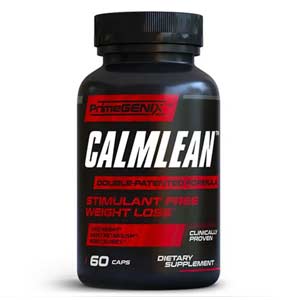
PrimeGENIX CalmLean
Product Type: Dietary Supplement
Primary Use: Weight Management Support
Overall Rating: 4.9/5
Price: $59.00
Key Benefits
- Supports healthy weight management
- Supports metabolic and thermogenic activity
- Supports appetite and hunger management
- Stimulant-free and caffeine-free formula
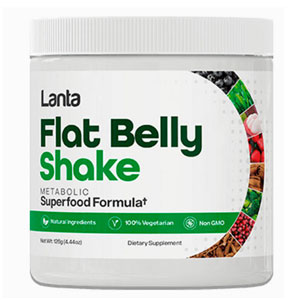
Lanta Flat Belly Shake
Product Type: Dietary Supplement
Primary Use: Weight Management & Metabolic Support
Overall Rating: 4.8/5
Price: $69.00
Key Benefits
- Supports healthy weight management
- Supports metabolism and energy
- Helps manage food cravings
- Supports healthy digestion
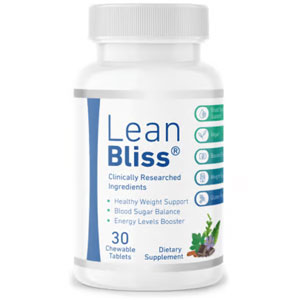
LeanBliss
Product Type: Dietary Supplement
Primary Use: Weight Management & Blood Sugar Support
Overall Rating: 4.8/5
Price: $69.00
Key Benefits
- Supports healthy weight management
- Supports healthy blood sugar levels
- Helps support healthy appetite and craving management
- Stimulant-free formula